President Donald Trump secretly switched planes using a catering truck while leaving a NATO summit in Turkey last month, deploying a legacy Air Force One as a decoy amid credible intelligence of a missile threat from Iran and its allied proxy groups, according to reporting confirmed by multiple news outlets.
The Secret Plane Swap and the Catering Truck Decoy in Ankara
When President Trump departed the Ankara NATO summit last month, his journey home involved an elaborate security decoy orchestrated by the U.S. Secret Service. The president had originally flown to the Turkish capital of Ankara on a $400 million Boeing 747-8, a newer aircraft donated by the Qatari government last year that spent months undergoing retrofitting.
When asked on the ground why he was not flying home on the newly gifted plane, Trump deflected, telling journalists that the aircraft was flying to European bases to be shown to the public while he would return by normal methods. At 8:24 p.m. local time, he boarded the legacy Air Force One and gave a wave to cameras before disappearing behind the cabin door.
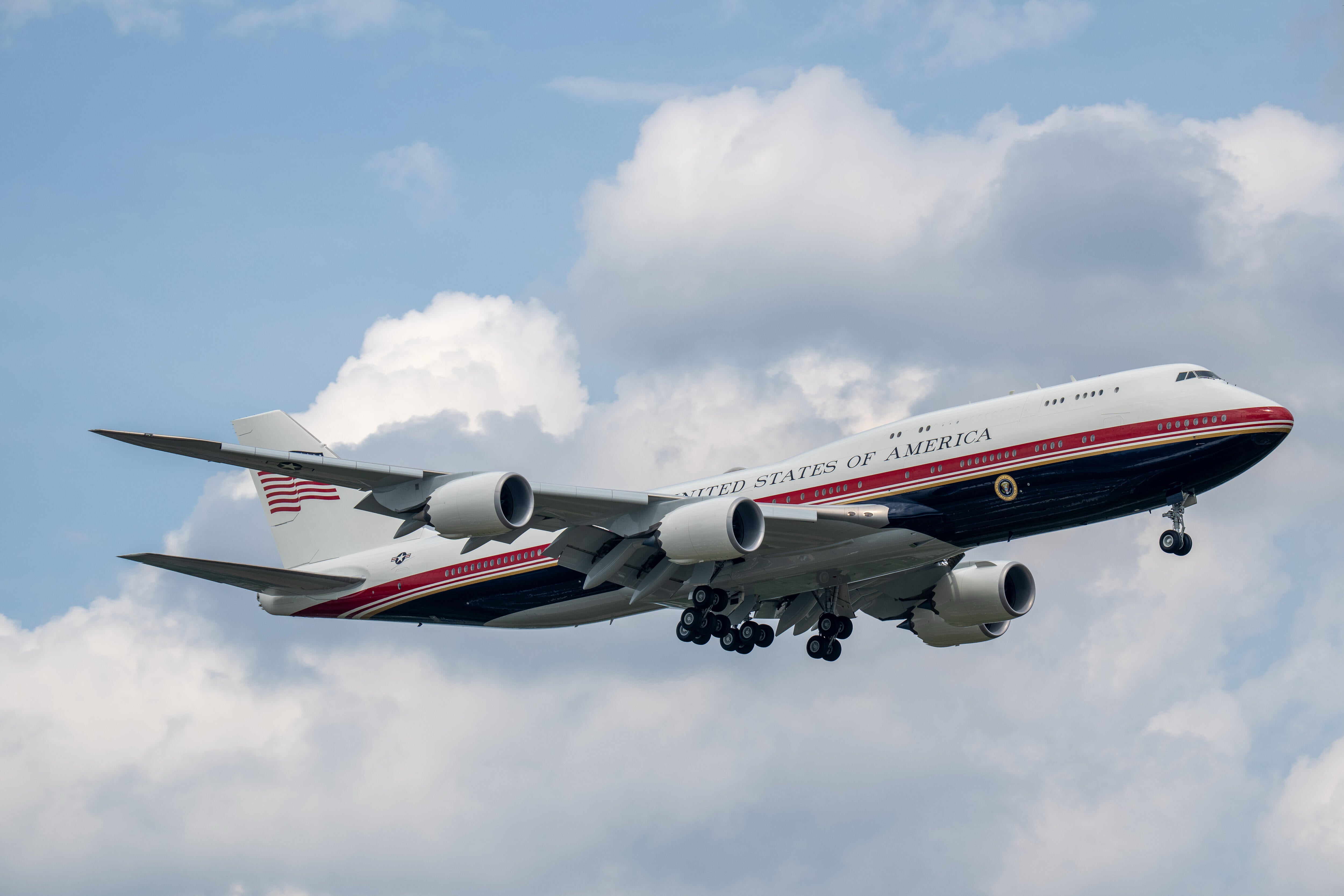
What followed was an untracked transfer. Under the cover of darkness, a catering truck parked near the door of the legacy aircraft secretly carried the president away from the plane instead of loading food. At 8:30 p.m., the vehicle backed away toward an Air Force C-32A—a smaller plane typically reserved for the defense secretary and other senior officials—parked directly behind the decoy. While the legacy Boeing 747 took off at 8:44 p.m. carrying staff and the traveling media pool toward the United Kingdom’s Mildenhall Royal Air Force Base, Trump remained on the ground in the smaller transport before boarding it.
When the decoy plane landed in the U.K. four hours later, it took Trump 40 minutes to disembark, a delay corresponding to his separate arrival and secret transfer onto the legacy aircraft before he walked down the steps to greet reporters.
Credible Missile Threats and the Ongoing U.S.-Iran Conflict
The extraordinary security measures were prompted by a credible threat to the president from Iran and allied proxy groups, according to U.S. officials who spoke to CBS News. Intelligence detected a credible plot to fire a missile at the aircraft, prompting the Secret Service to implement the backup strategy.
The current tensions trace back to Trump’s bombing of Iran’s nuclear research facilities in 2025, followed by an expansive bombing campaign and naval blockade this year. Tehran and its proxy networks have repeatedly vowed retaliation, particularly following the death of Ali Khamenei and reports of civilian casualties in U.S. and Israeli strikes. Funerals and public squares in Tehran have featured banners and murals displaying threats against the American president.
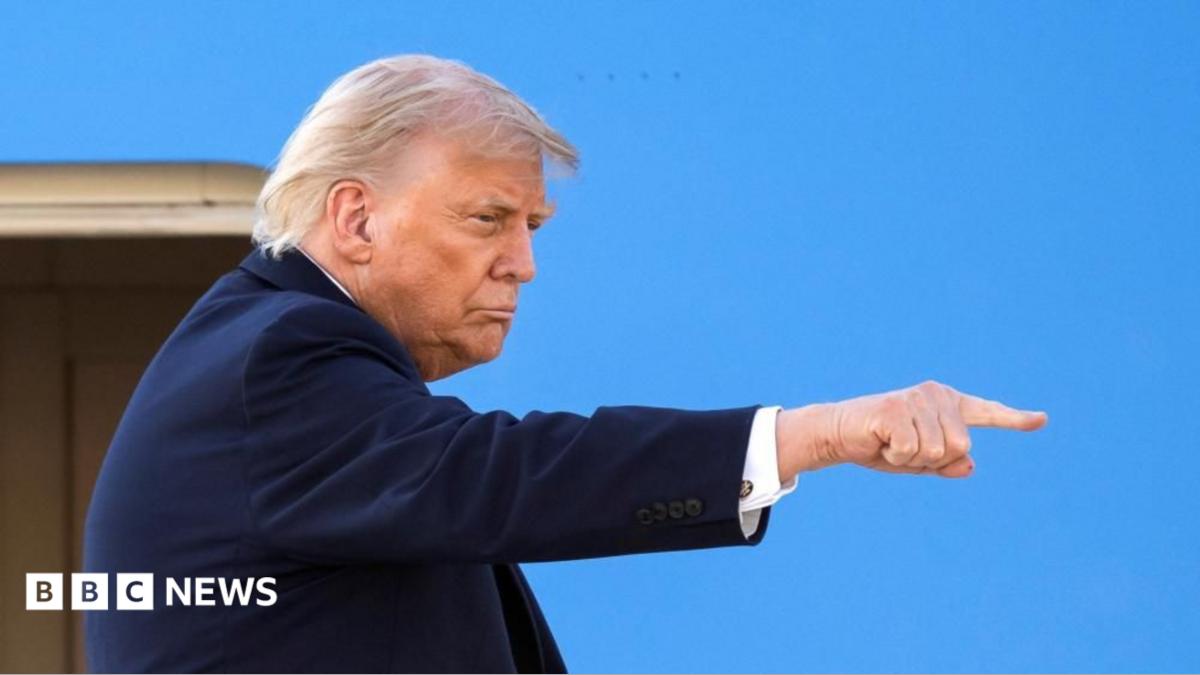
Publicly, Trump acknowledged the personal danger during his journey. Reunited with the press pool on the final leg of the flight home, he addressed the secret travel arrangements.
“I have read all the time I’m number one on their list, but if I go, you go, right?”
Earlier in the month, Trump wrote on Truth Social that Iran had made threats to assassinate, or attempt to assassinate
him, warning that thousands of missiles were prepared to retaliate if the Iranian government acted.
Upgrades for the Newer Fleet and Defensive Technology
The incident has brought scrutiny to the defensive capabilities of the presidential fleet. Older Air Force One aircraft are equipped with advanced countermeasures, including laser technology to blind incoming missiles and other diversion systems. It remains unclear what specific defensive defenses are installed on the newer Qatari-gifted Boeing 747.
Addressing the future of the presidential aircraft, White House press secretary Karoline Leavitt issued a statement confirming that the president will continue flying on the older legacy jet while the newer plane undergoes mandatory maintenance.
With military operations continuing and regional threats active, the White House has not indicated any immediate shift in travel security protocols beyond the planned autumn retrofitting period.
Keep reading