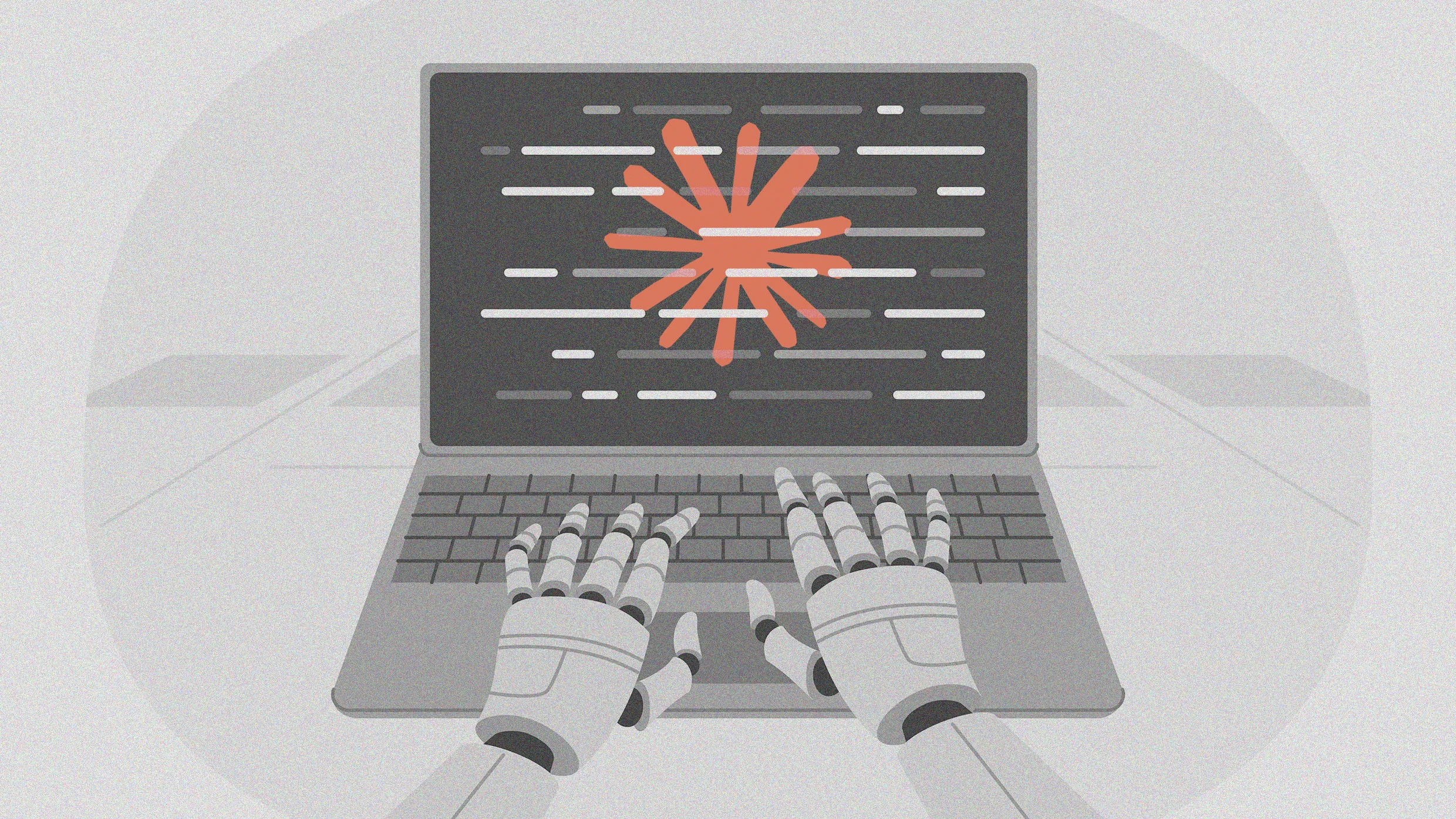
Anthropic will soon inject invisible watermarks into all text generated by its Claude models, a move designed to clearly identify AI-generated content at the model level. According to a support document released by the company, the upcoming change directly responds to new artificial intelligence transparency regulations enacted in the European Union, though the company plans to roll out the marking system globally across every country where its products operate.
The technical shift applies to Claude models launched on or after August 2, 2026, which will feature machine-readable markings embedded directly at launch, as reported in Business Standard. While current U.S. federal legislation does not mandate transparency disclosures or text watermarks, several state governments—including California—have recently adopted distinct labeling rules for digital media.
Anthropic stated that it has formally signed the European Union AI Act’s Article 50(2) Code of Practice on Transparency of AI-Generated Content, aligning its product roadmap with the bloc’s regulatory framework. Under the terms of the EU legislation, AI providers operating in the region are granted a transition window until December 2 to upgrade older, existing models so they support the mandatory machine-readable standards.
Global Rollout and Multi-Platform Integration
The new text-marking mechanism is designed to be imperceptible to human readers, meaning it will not alter the grammar, style, quality, or overall readability of Claude’s responses. Because the signal lives inside the text itself, Anthropic notes that the watermark will travel with the content when copied and pasted elsewhere, and it is engineered to survive light editing.
According to Business Standard, this functionality is integrated across a broad spectrum of products and interfaces, including the standard web chat interface, application programming interfaces (APIs), Claude Code, Claude Cowork, and Claude Tag. Furthermore, these embedded markings will persist when users access supported Claude models through major cloud ecosystems such as Amazon Web Services (AWS), Google Cloud, and Microsoft Foundry.
Beyond text generation, Anthropic’s update addresses non-text media formats to comply with regional mandates like California’s transparency laws. For generated images, audio, and video files—including common formats such as SVG, PNG, and JPG—the models will inject standard provenance data utilizing the Coalition for Content Provenance and Authenticity (C2PA) standard. This metadata is intended to signal that a file was processed by Claude and help verify whether the digital file has been tampered with since creation.
Understanding the Limitations of Provenance Signals
Anthropic has cautioned that the new watermarking system is not intended to function as a definitive, standalone AI authorship detector. Finding a Claude watermark simply indicates that a piece of text or media has been processed by the model, rather than proving sole machine authorship. For instance, if a human writer inputs an original draft into Claude for proofreading, translation, or summarization, the resulting output may carry the watermark even though the core ideas originated entirely from the user.
Conversely, the complete absence of a watermark does not guarantee that content was written entirely by a human. Anthropic explained that the signal may fail to register or survive if text is generated by an older, un-upgraded model, heavily paraphrased, translated, or combined with human-written passages. Very short passages may also lack sufficient data length to produce a reliable detection signal.
To help users and external organizations navigate these technical boundaries, Anthropic stated that it is currently developing dedicated tools that will allow third parties to inspect and verify Claude’s embedded text watermarks and file metadata.
Broad Industry Compliance and Notable Absences
The European Commission’s official signatory list indicates that roughly 190 companies and organizations had signed the Code of Practice on Transparency by the conclusion of July 2026. Alongside Anthropic, major industry participants who signed the agreement include OpenAI, Google, Microsoft, Amazon, Mistral, and Cohere.

However, the agreement also highlights prominent absences within the artificial intelligence sector. Companies notably absent from the signatory list include Elon Musk’s xAI and Mark Zuckerberg’s Meta, leaving a fragmented regulatory and voluntary compliance landscape as global oversight intensifies.
As the December 2 deadline approaches for EU model upgrades, users and developers can look for forthcoming technical documentation from Anthropic detailing the exact mechanisms behind its text-level provenance signals.