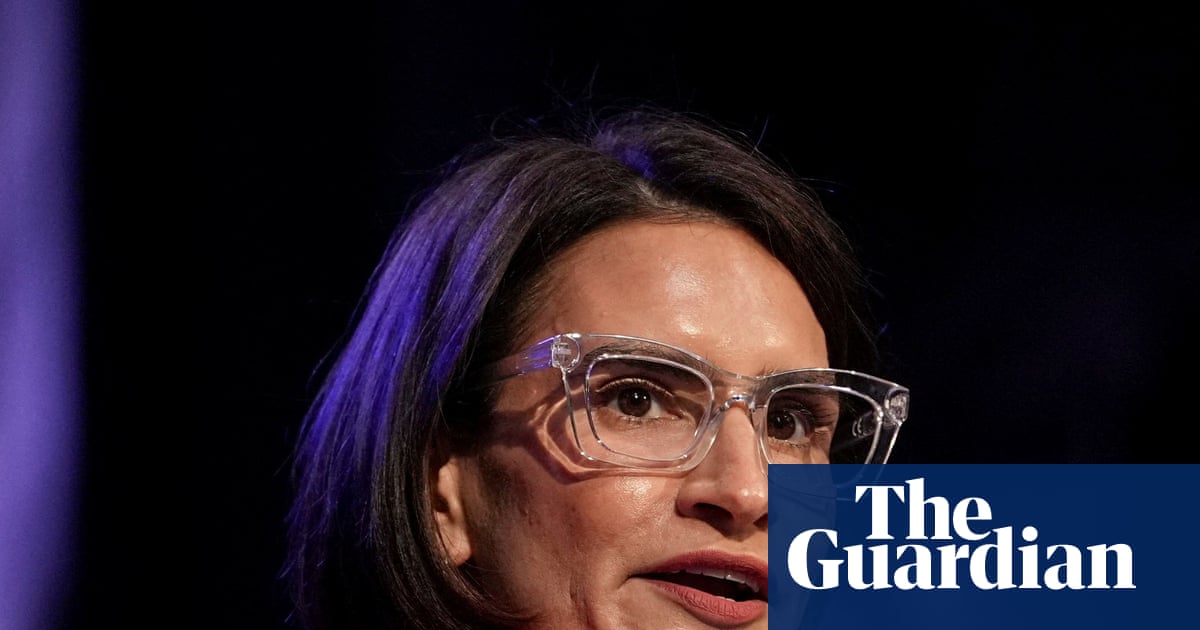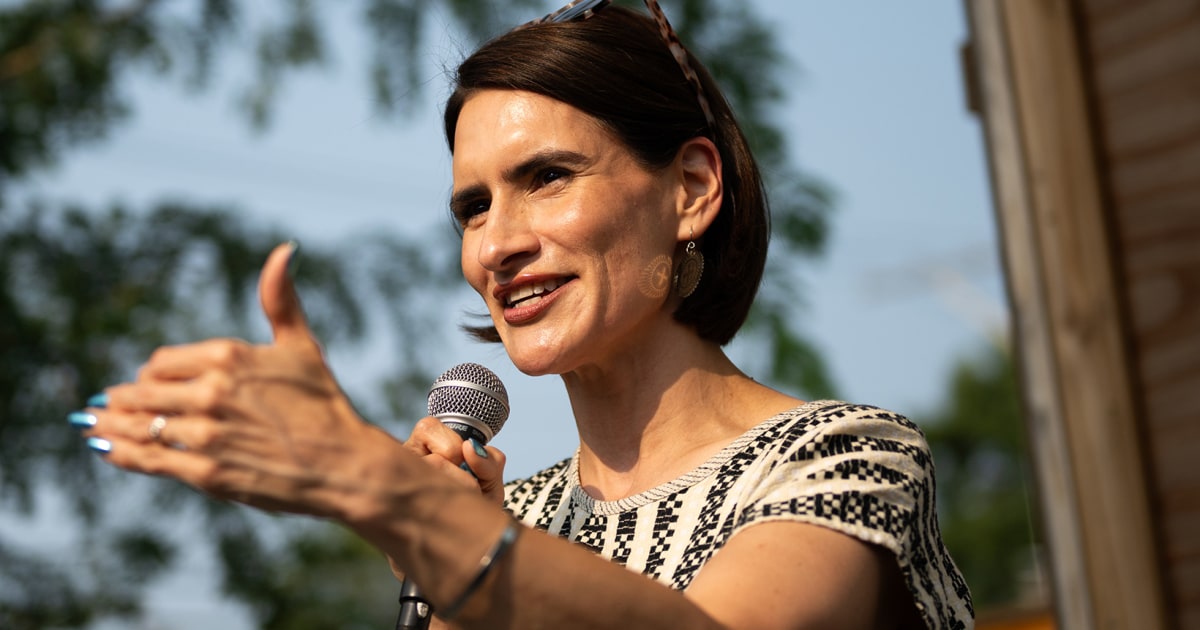
Minnesota Lt. Gov. Peggy Flanagan won the Democratic primary for the U.S. Senate, defeating U.S. Rep. Angie Craig in a high-profile contest shaped by progressive momentum and fierce debates over federal immigration enforcement, according to election reporting by The Guardian. Flanagan, a 46-year-old progressive, secured her party’s nomination in an election cycle that saw no incumbents seeking to retain the open Senate seat. Tina Smith, the outgoing Democratic U.S. senator, chose not to run again, citing a desire to spend time with her grandchildren and make way for new political voices, and subsequently endorsed Flanagan’s campaign.
The primary outcome marks a notable victory for the progressive wing of the Democratic Party, positioning Flanagan to face Republican nominee Michele Tafoya in the November general election. If successful in the autumn vote, Flanagan would make history as the first Native American woman to serve in the United States Senate. The race unfolded against the backdrop of an anti-establishment wave within the party, with Flanagan positioning herself as an unapologetic fighter for structural reform and community needs.
“It’s time to fight for what people actually need,” Flanagan told The Guardian during her campaign. “And so often I think Democrats are like: ‘What do we think we can win?’ Instead of: ‘What are the fights that we should be picking?’”
Her opponent, Angie Craig, 54, represented a purple district south of the Twin Cities after first winning election to Congress in 2018, flipping the seat and becoming the state’s first openly lesbian member of the House. Craig campaigned on her proven electability in a swing district, but her legislative record faced intense scrutiny from primary voters, particularly concerning immigration policy.
Immigration Enforcement and Operation Metro Surge Shape the Primary Debate
Immigration enforcement emerged as a central flashpoint in the primary following the deployment of federal immigration officers to Minnesota earlier in the year as part of Operation Metro Surge, a Trump administration crackdown that local reports linked to widespread community disruption and two resident deaths. The operation created deep divisions within the state’s electorate and directly impacted the trajectory of the Senate contest.
Craig faced persistent criticism from the left over her past legislative votes, specifically her support for the Laken Riley Act, a federal measure mandating immigration detention for undocumented individuals accused of local criminal offenses. Although Craig expressed regret over that vote in March, the issue remained a focal point for progressive organizers and voters demanding a stauncher defense of immigrant communities. In turn, Craig’s campaign challenged Flanagan over state social services scandals, arguing that the lieutenant governor bore accountability for oversight lapses during her tenure.
Flanagan’s primary bid received substantial organizational and financial backing from prominent national progressives, including U.S. Senators Elizabeth Warren and Bernie Sanders. In a statement following the race, Warren praised the outcome as evidence that grassroots movements can overcome heavily funded opposition, pointing to Flanagan as a necessary addition to the progressive caucus in Washington.
“Peggy Flanagan’s win is further proof that the many can beat the money,” Warren said, according to The Guardian. “Voters want leaders with backbones who will stand up to dark money super Pacs and fight to make life more affordable. I was the very first senator to endorse Peggy because she’s the fighter we need in Washington.”
Gubernatorial Primary Results and Broader Minnesota Political Shifts
Minnesota voters also participated in a statewide gubernatorial primary to select a successor for outgoing Democratic Gov. Tim Walz, who initially sought a third term before stepping aside amid ongoing fraud investigations involving state social service programs. The Republican gubernatorial primary delivered a notable rebuke of former President Donald Trump’s endorsement influence, as high-profile conservative candidate Mike Lindell lost the nomination to Minnesota House Speaker Lisa Demuth.
Lindell, a prominent election denialism advocate and former executive who recently stepped down from MyPillow amid mounting corporate liabilities and defamation lawsuits, failed to secure his party’s backing after facing widespread skepticism from within Republican ranks over his campaign viability. Demuth advanced to the general election ballot, where she is set to face Democratic U.S. Senator Amy Klobuchar in November.
Historically, Minnesota has maintained a distinct Democratic lean in statewide contests, having last elected a Republican to a statewide office in 2006, when Tim Pawlenty secured a second gubernatorial term. Furthermore, a Republican presidential candidate has not carried the state since 1972. Despite this baseline political geography, both major open seats—governor and U.S. Senate—drew intense interest as a record-setting primary electorate pushed total turnout past the 1 million mark for the first time in state primary history, according to election data analyzed by MPR News.
Next Steps in the November General Election Campaign
With the primary contests settled, both political parties are pivoting toward the November general election. Flanagan will campaign across the state to consolidate the broader Democratic base while preparing for a contest against Tafoya, a former NFL sideline reporter representing the Republican ticket.