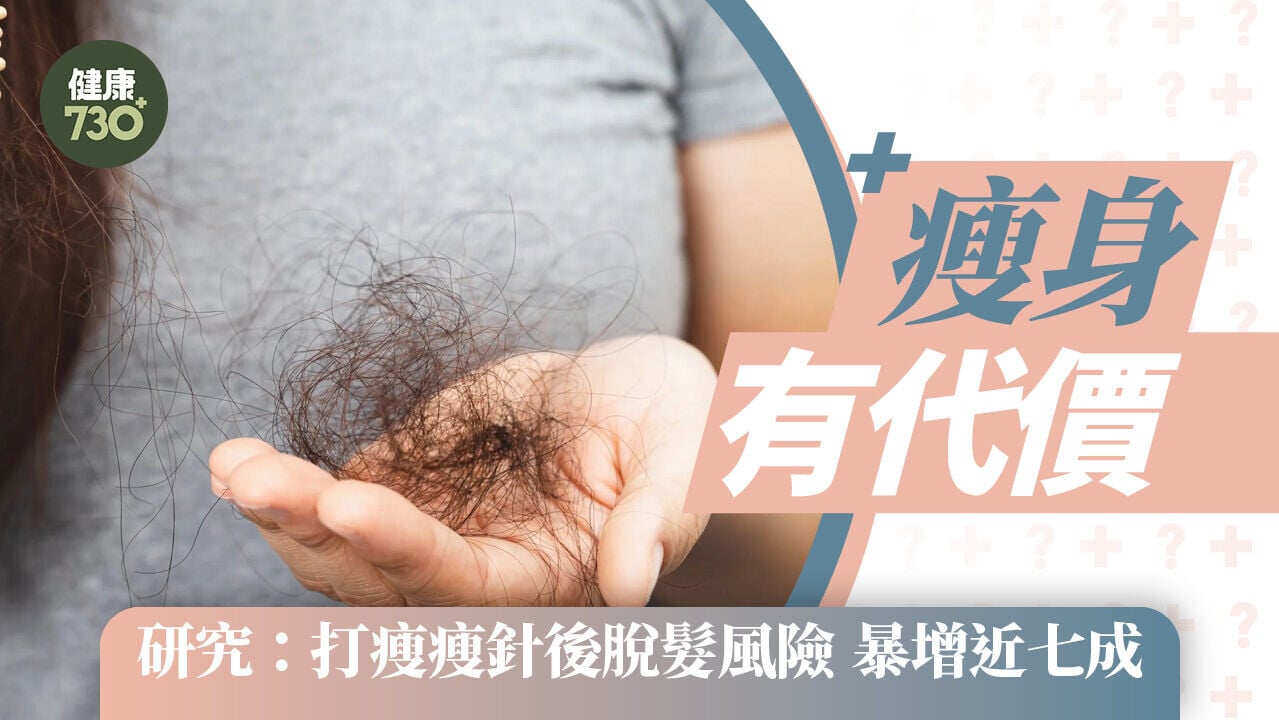
The research analyzed health records from tens of thousands of type 2 diabetes patients and determined that individuals taking GLP-1 medications faced a significantly higher incidence of alopecia compared to those prescribed alternative glucose-lowering drugs.
While the relative risk increase approached 70 percent when evaluated against specific drug classes, study authors emphasize that the absolute risk to individual patients remains low. The findings provide new insight into the dermatological side effects accompanying the global rise of these therapies, highlighting the physiological impacts of rapid weight reduction and shifts in nutritional intake.
Evaluating the BMJ Study Findings on GLP-1 Medications
By comparing patients prescribed GLP-1 receptor agonists against cohorts taking two other widely used classes of glucose-lowering medications, the team identified a distinct statistical divergence in hair loss diagnoses. Specifically, patients using GLP-1 drugs experienced relative increases in hair loss risk of 37% and 68% when measured against the respective comparator drug groups.
Despite these elevated percentages, the absolute numbers remain modest within a clinical population. Data from the evaluation indicate that out of every 1,000 patients treated with GLP-1 medications, approximately 7 individuals developed hair loss over the course of a year. By comparison, the incidence among patients using the two alternative diabetes drug classes ranged between 4 and 5 per 1,000 patients annually.
Researchers underscore that the data should be interpreted with appropriate clinical context. The primary intent of the study is to map potential adverse effects rather than to cast doubt on the established glycemic control and weight reduction benefits associated with GLP-1 therapies.
Mechanisms of Treatment-Associated Hair Loss
Instead, investigators point to secondary physiological factors, most notably rapid weight reduction and subsequent alterations in nutritional status.
Rapid weight loss of any origin is a well-documented trigger for telogen effluvium, a common form of non-scarring alopecia. Because this type of hair loss is typically temporary and non-scarring, hair growth frequently resumes once weight stabilization occurs and normal nutritional intake is restored.
Medical professionals evaluating patients undergoing aggressive weight management are encouraged to discuss these dynamics early in the treatment timeline.
Clinical Guidance and Patient Communication
Following the publication of these findings, public health experts and clinicians recommend that healthcare providers incorporate discussions about hair thinning into routine consultations when initiating GLP-1 therapy.
Readers are encouraged to share their thoughts or join the conversation in the comments below.
Worth a look