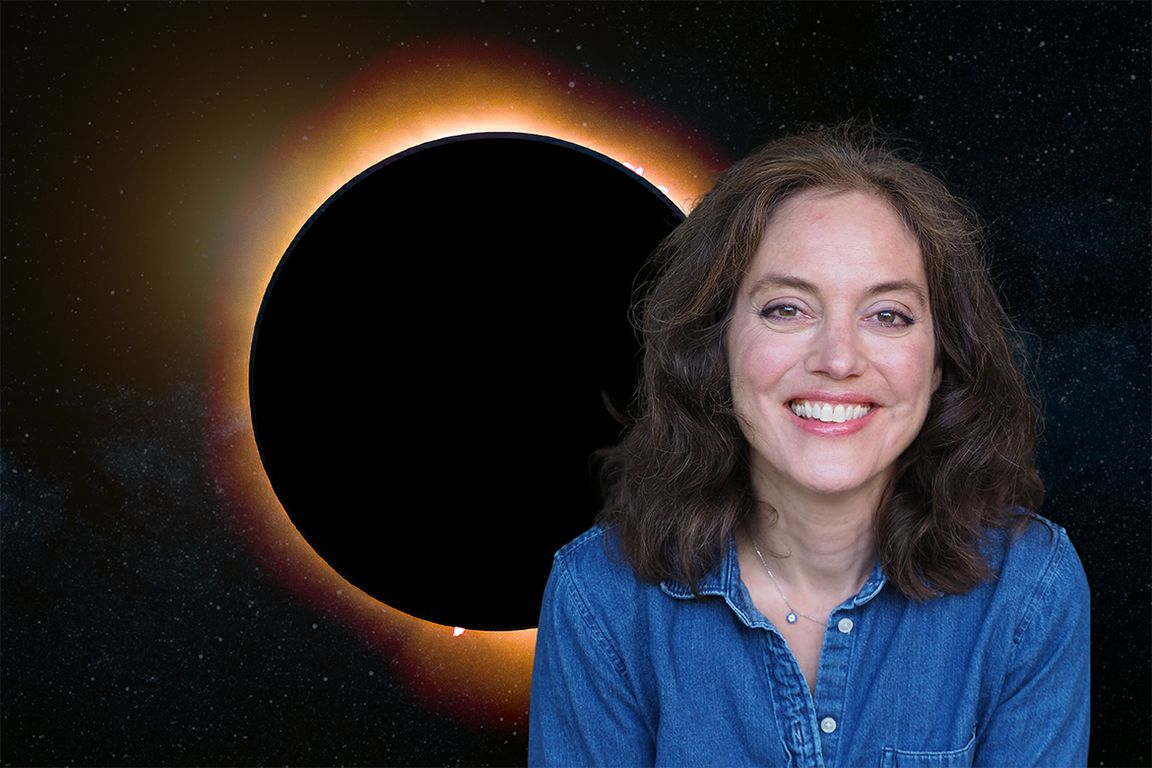
A rare celestial event will draw skywatchers outdoors as a total solar eclipse sweeps across parts of the Northern Hemisphere, bringing a path of totality across Greenland, Iceland, northern Russia, the Atlantic Ocean, Spain, and a small corner of Portugal.
Total Solar Eclipse to Sweep Across Spain, Iceland, and Greenland on Aug 12
For regions positioned directly in the center of the moon’s shadow, known as the umbra, the sun will be completely blocked out. In Spain, which has not experienced a total solar eclipse since 1905, western Iceland, and parts of Greenland, observers will witness the peak of the eclipse shortly before sunset.
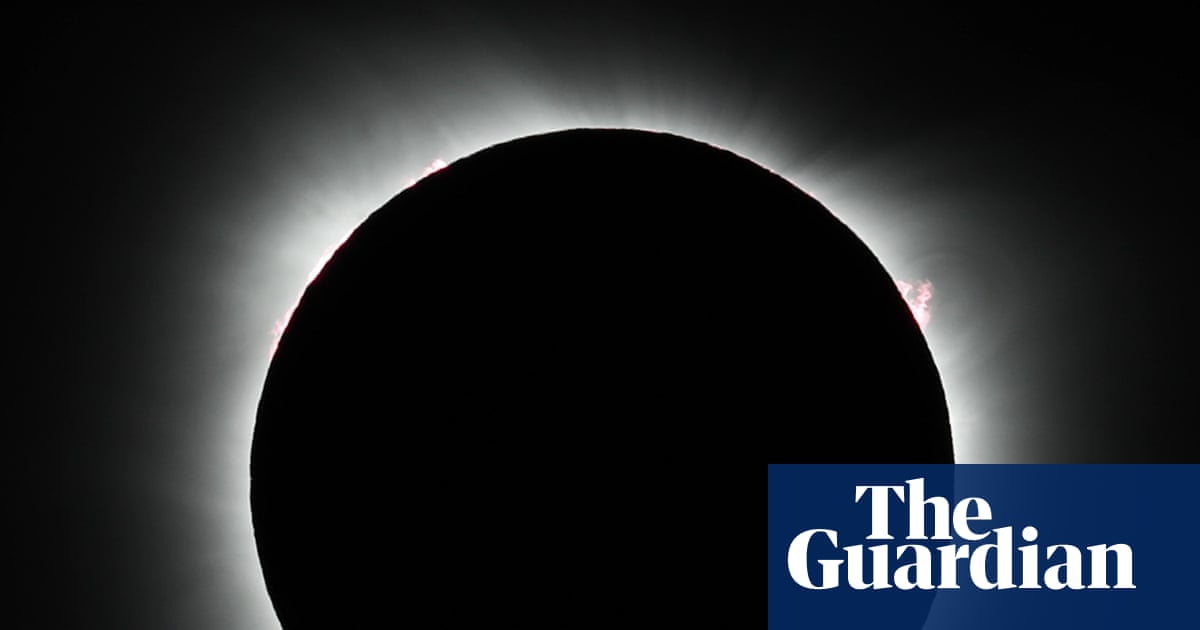
This upcoming total eclipse marks the first such event visible in mainland Europe in two decades. The path of totality will be fairly short from start to finish, lasting about an hour and forty-five minutes. Eastern time), before reaching northeast Greenland by 1:30 p.m. ET and western Iceland by about 1:45 p.m. ET, where totality will occur at 5:48 p.m. local time in Reykjavík.
Partial Views Across Europe and North America
While the path of totality crosses specific regions, a much wider area will experience a partial solar eclipse, where the moon blocks only a portion of the sun’s light while viewers stand in the penumbra. Major cities in Europe, including Madrid, London, and Paris, will see at least 90% totality. ET.
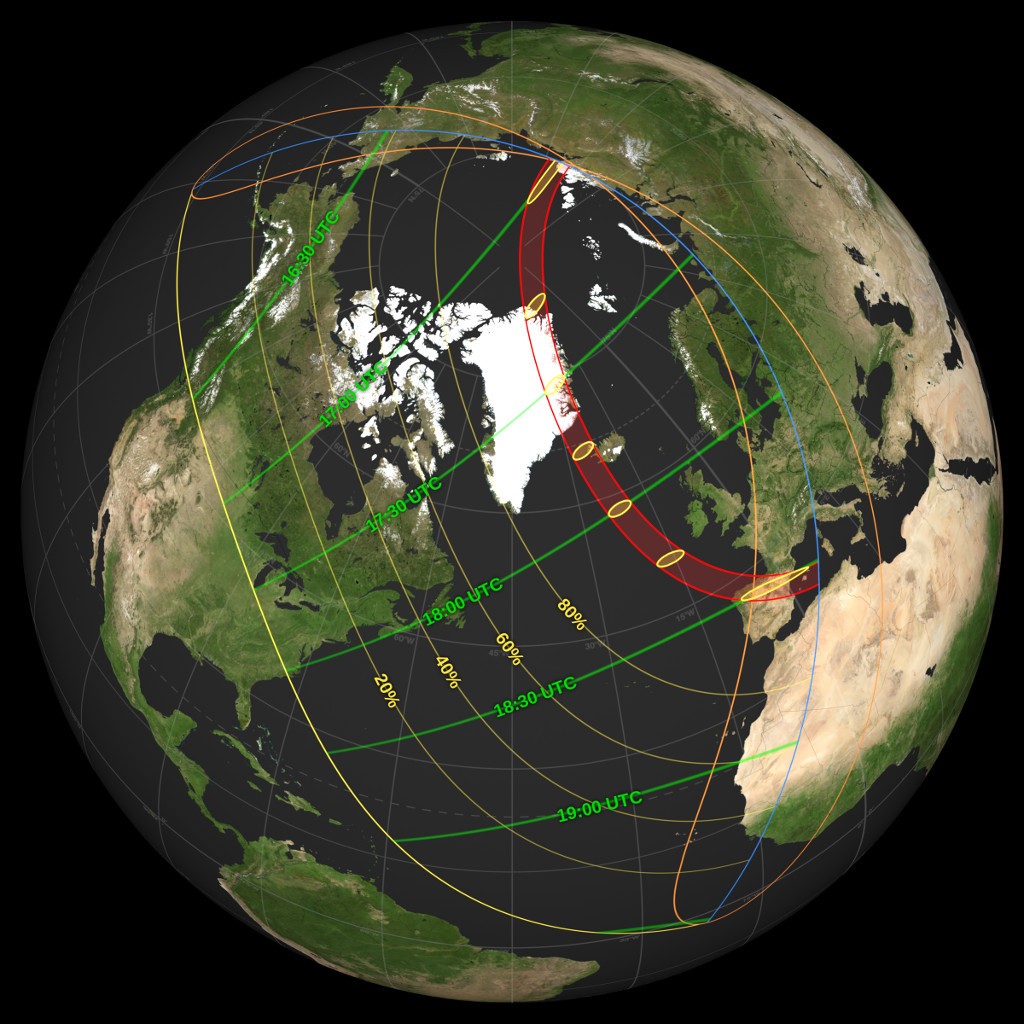
Other parts of the Northern Hemisphere will also experience partial visibility. Parts of the northern United States—ranging from Alaska to North Carolina—most of Canada, much of Europe, and northwestern Africa will witness the partial phases. Specific North American locations will see varying degrees of totality, including Fairbanks, Alaska at 37%, Boston at 16%, New York City at about 9%, Toronto at about 8%, and Philadelphia at 7%.
For western parts of the eclipse path in mainland Europe and Africa, the Sun will set while still partially eclipsed, creating a sunset eclipse. Theguardian noted that this represents the best deep solar eclipse visible in the UK since 1999, when parts of Devon and Cornwall were in the path of totality.
Scientific Opportunities and Safety Guidelines
Beyond the visual spectacle, eclipses provide valuable research opportunities. Scientists are able to study the sun’s outer atmosphere, known as the solar corona, which appears as bright neon-pink spokes or atmospheric layers when the blazing surface of the sun is blotted out.
Authorities and experts emphasize strict safety measures for viewing the event. Observers inside the path of totality can remove their protective glasses only during the brief period of totality when the sun is completely blocked. However, for anyone viewing a partial solar eclipse or looking at the sun before and after totality, specialized eye protection is mandatory.
Safe solar viewing glasses, commonly called eclipse glasses, or safe handheld solar filters must be used to prevent permanent eye damage. Regular sunglasses are entirely unsafe for viewing the sun, regardless of how dark they are. Approved solar viewers must be thousands of times darker and ought to comply with the ISO 12312-2 international standard. Alternatively, eclipse watchers can use indirect viewing methods, such as a pinhole projector, to cast images of the sun safely.
Related reading
- Microsoft Patches 398 Windows Vulnerabilities: Critical Flaws and AI-Driven Bug Hunting
- Halo: Campaign Evolved Sales: Modest PS5 Debut and Disappointing Steam Results
- Partial Solar Eclipse Aug 12: Where and How to Watch in the U.S. and Canada (archynewsy.com)
- Tariff vs. Price Floor: What Trump's New Solar Rule Does (daybreakwire.com)