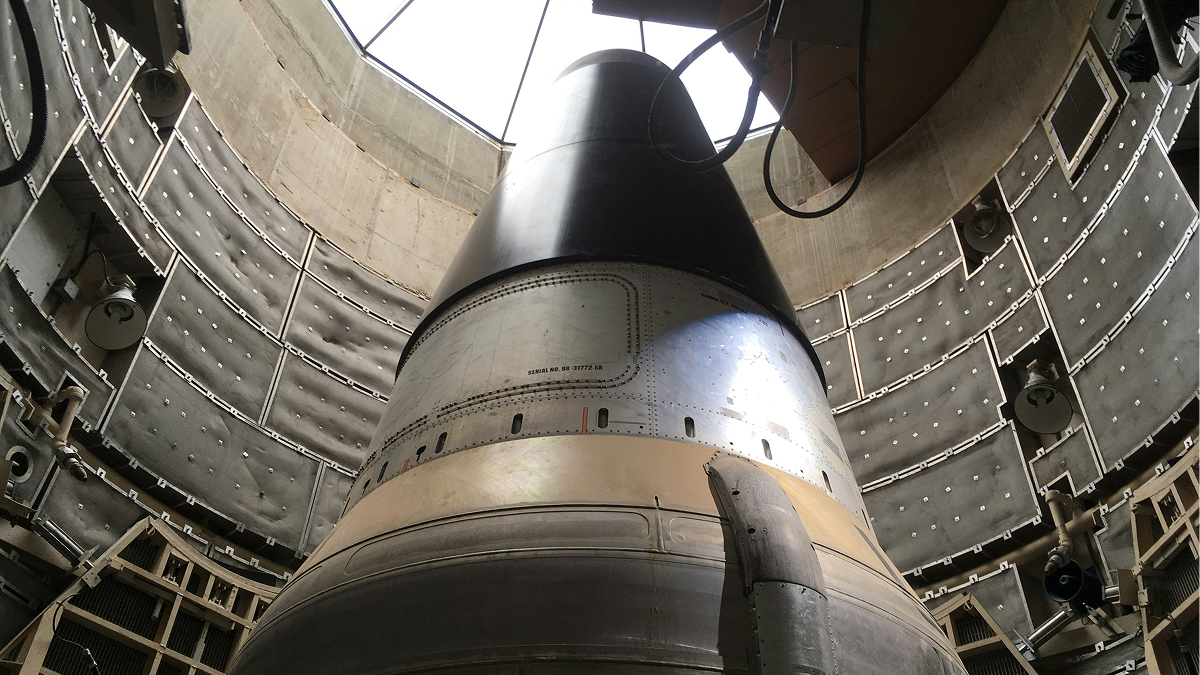
As global military expenditures on nuclear arsenals climb to record highs, nine nuclear-armed nations maintain an active stockpile of approximately 12,100 warheads. More than eight decades after the atomic bombings of Japan in August 1945, major governments continue to modernize and expand their military capabilities while international arms control frameworks face strain. Spending on nuclear arms reached an all-time high of $119 billion, marking a 19 percent increase over the previous year.
Historian Lawrence Wittner brings a comprehensive analysis of the accelerating global arms race, the breakdown of bilateral treaties between Washington and Moscow, and the mounting warnings issued by international scientific bodies. This report examines the current state of nuclear arsenals, rising geopolitical tensions, and the historical precedents that continue to shape international security debates.
Global Nuclear Spending and Arsenal Expansion
The nine recognized nuclear-armed states—the United States, Russia, China, Britain, France, Israel, India, Pakistan, and North Korea—are actively upgrading their nuclear weapons complexes. According to data highlighted by the International Campaign to Abolish Nuclear Weapons (ICAN), “this overwhelming spending on nuclear weapons shows a willingness to research, develop, finance and build tools to exterminate humanity.” The U.S. government accounts for more than half of the global total, driven by a multi-decade modernization program projected to cost roughly $1.7 trillion.
This financial acceleration coincides with the deterioration of formal arms control architecture. Russia and the United States collectively possess approximately 86 percent of the world’s nuclear warheads. While both nations historically negotiated bilateral treaties to cap and reduce strategic arsenals, the New START treaty expired in February.
Rising Rhetoric and the Doomsday Clock
The expansion of global arsenals is compounded by frequent public references to nuclear capabilities by senior political figures. Voice of America records indicate that between early 2022 and late 2024, Russian officials publicly issued 135 nuclear threats, including 27 statements attributed directly to Vladimir Putin. Similar rhetoric has emerged from other nuclear-armed states, with Kim Jong Un of North Korea and Donald Trump of the United States also publicly and repeatedly threatening other countries with nuclear destruction.

In response to these compounding risks, the editors of the Bulletin of the Atomic Scientists adjusted their symbolic Doomsday Clock to 85 seconds to midnight, marking the most dangerous setting in its history.
Historical Warnings and Public Mobilization
Current warnings echo those raised immediately following the 1945 attacks on Hiroshima and Nagasaki. In the aftermath of World War II, prominent commentators and intellectuals voiced profound alarm over the implications of atomic warfare. CBS radio commentator Edward R. Murrow observed that war had ended leaving victors without an assurance of survival, while French resistance leader Albert Camus warned that humanity had reached the last degree of savagery presenting the prospect of collective suicide. Albert Einstein, speaking on behalf of the newly formed Emergency Committee of Atomic Scientists, argued that “a new type of thinking is essential if mankind is to survive.”
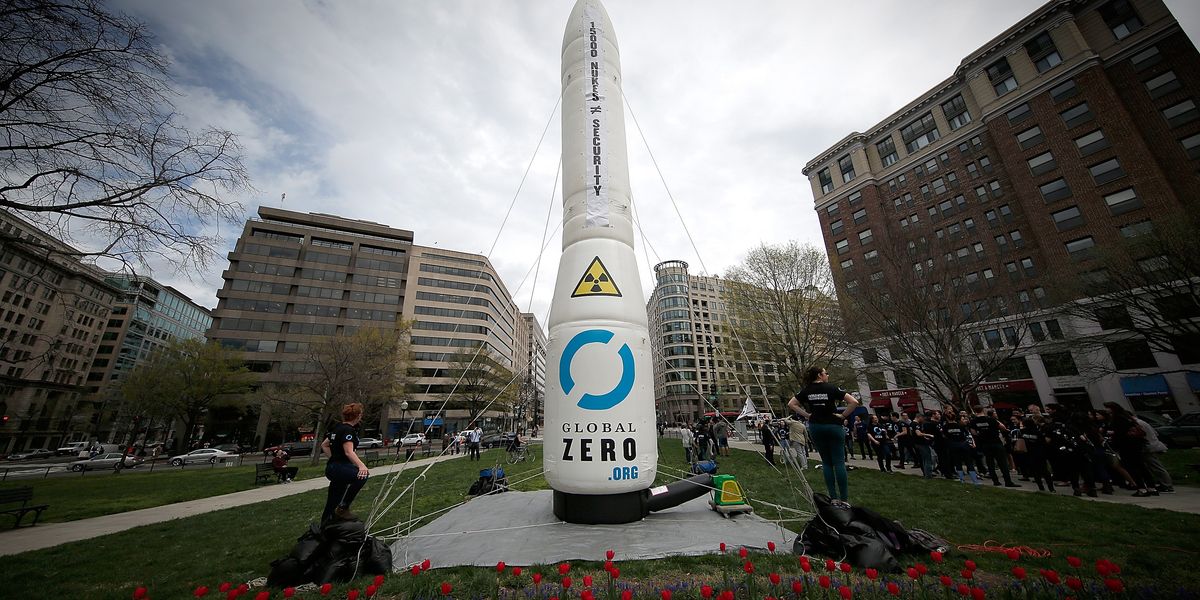
Throughout the latter half of the twentieth century, public anxiety materialized into large-scale anti-nuclear movements. Mass mobilizations and opinion polls frequently demonstrated widespread public revulsion toward atomic warfare, influencing policymakers in various nations to forgo domestic nuclear weapons programs or decline the deployment of foreign warheads on their soil. Nonetheless, national security paradigms rooted in military strength continue to drive defense planning among the major nuclear powers.
As international oversight mechanisms remain stalled and defense expenditures continue to rise, diplomatic observers await the next scheduled disarmament forums and bilateral consultations between major nuclear-armed states. Readers are encouraged to share their perspectives on global arms control and participate in the discussion in the comments section below.
Keep reading