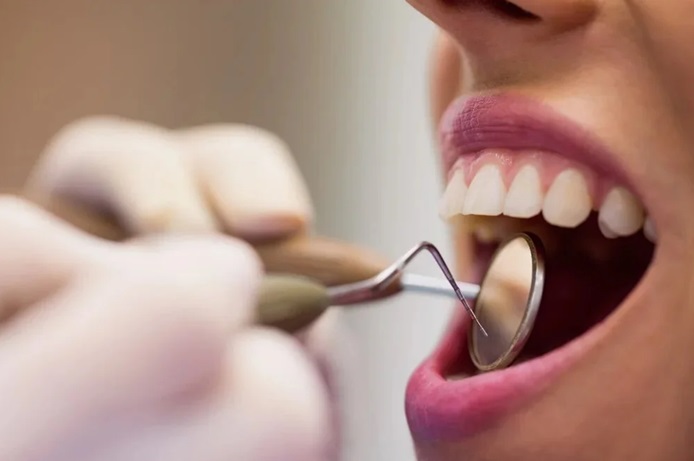
Recent data indicates that oral health care remains reactive rather than preventive for a significant portion of the Spanish population, as new findings reveal that roughly one in every three individuals skips dental checkups for over a year. According to findings from the Estudio de Sanitas sobre Salud Bucodental 2026, exactly 31.2% of people in Spain report going longer than 12 months without visiting a dental clinic. Public health specialists note that this delay often masks progressive conditions that develop without immediate discomfort, turning simple interventions into complex procedures over time.
The study highlights a persistent behavioral trend where individuals primarily seek professional dental care only when acute pain, visible physical damage, or clinical emergencies arise. Dental professionals emphasize that the absence of symptoms does not equate to a healthy oral cavity. Many common conditions advance silently beneath the surface for months, showing outward warning signs only after reaching an advanced stage that compromises the structure of the tooth or the stability of the surrounding gum tissue.
“En odontología, el tiempo condiciona mucho el tratamiento. Un problema detectado en una revisión rutinaria puede resolverse con una intervención sencilla, mientras que ese mismo problema, si avanza durante meses, puede afectar a la estructura del diente, a la encía o incluso a la estabilidad de la pieza”, explains Antonio Longo, a dentist within the Clinical Assistance and Innovation team at Sanitas Dental, as detailed in reports from Sanitas Corporativo.
Conditions Frequently Identified During Routine Examinations
Routine dental checkups serve a critical diagnostic function beyond a standard cleaning, allowing clinicians to evaluate the condition of teeth, gums, oral mucosa, and the mandibular joint. According to coverage published by Opinando sin Anestesia, regular evaluations help identify several prevalent oral pathologies in their early stages.
Among the most common conditions caught during preventative visits are incipient cavities that do not yet trigger pain, and gingivitis, which typically manifests as inflamed or bleeding gums. If left unmonitored, gingivitis can progress to periodontitis, a serious condition capable of destroying the bone support around the teeth. Dentists also screen for structural wear caused by bruxismo—the involuntary grinding or clenching of teeth—as well as persistent mouth ulcers, defective fillings, bite irregularities, and early mucosal lesions that require prompt medical evaluation.
Warning Signs Requiring Professional Evaluation
Medical guidelines suggest that patients should monitor their oral health for subtle shifts rather than waiting for severe pain to manifest. Clinical indicators that necessitate a professional dental assessment include persistent bad breath, bleeding during brushing, heightened sensitivity to cold temperatures, tooth mobility, and sores inside the mouth that fail to heal normally. Furthermore, individuals who experience morning headaches or jaw stiffness upon waking may be exhibiting signs of nighttime teeth grinding that require a clinical splint or targeted intervention.

Beyond localized discomfort, untreated oral health issues carry implications for overall physical well-being. Chronic gum inflammation and oral infections can interfere with proper nutrition, disrupt restful sleep, and diminish an individual’s overall quality of life. Dental experts recommend maintaining a strict preventative routine across all stages of life, which includes scheduling annual checkups, maintaining rigorous daily hygiene, and limiting the frequent consumption of sugary foods and beverages that feed decay-causing bacteria.
Related reading