
Public health authorities in Nigeria have confirmed that the country’s ongoing Lassa fever outbreak has reached 1,000 recorded cases, with the national death toll climbing to 237 individuals since January. According to data released by the Nigeria Centre for Disease Control and Prevention (NCDC), the viral hemorrhagic illness has spread across 116 local government areas spanning 23 states.
The latest weekly epidemiological update from the NCDC covers the period between July 20 and July 26, during which officials documented 17 new confirmed infections and six additional fatalities. With total fatalities reaching 237 out of 1,000 confirmed cases, the national case fatality rate for Lassa fever currently stands at 23.7 percent, according to the NCDC figures reported by Sabah.
Medical professionals and frontline personnel face exposure risks during active outbreak cycles. The NCDC reported that 53 healthcare workers contracted the virus in 2026, posing a major challenge to containing the transmission chains within local medical facilities. In response, health officials have instituted a targeted 30-day intervention plan aimed at protecting medical staff operating in high-burden regions across the country, as detailed by Takvim.
Understanding Lassa Fever Transmission and Historical Context
Lassa fever is a viral hemorrhagic illness. Humans typically contract the pathogen through contact with rodent feces.
Beyond zoonotic transmission, the virus can spread between humans and leads to hemorrhagic fever. Historical records show that the disease is seen in several West African nations, including Mali, Togo, Gana, Liberia, and Sierra Leone. In Nigeria, the virus was first documented in 1969 within the northeastern state of Borno. The Nigerian government declared a national state of emergency regarding the illness on January 23, 2019.
Comparative figures indicate an ongoing public health challenge. During 2025, Lassa fever caused 190 deaths nationwide, a figure that has been surpassed by the current year’s progression, which has already claimed 237 lives. Public health officials continue to urge residents in affected states to avoid contact with rodents and other rodents to limit exposure.
Clinical Symptoms and Early Diagnosis Challenges
Recognizing early symptoms remains difficult because the clinical presentation of Lassa fever closely resembles other common illnesses. According to medical experts cited by Takvim, the incubation period for the virus typically ranges from 6 to 21 days. Approximately 80 percent of people who contract the infection experience mild symptoms.
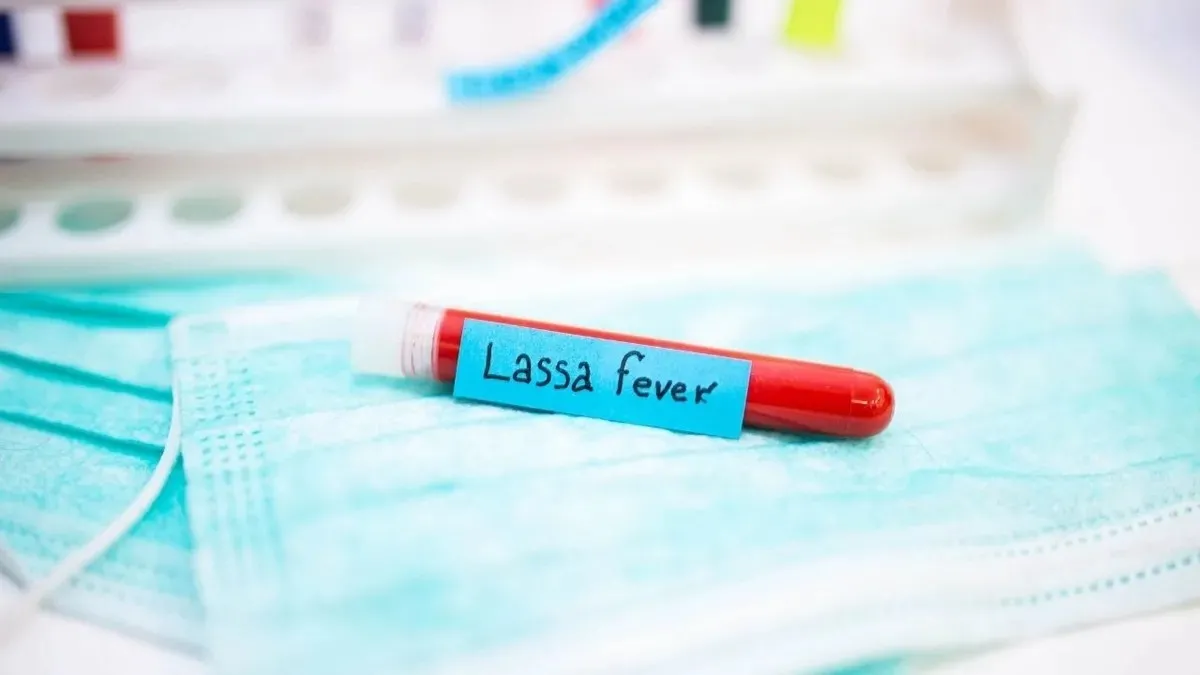
For symptomatic patients, the initial clinical signs frequently mimic influenza, common colds, or malaria, complicating prompt diagnosis. Common early indicators include:
- Gradually increasing fever accompanied by severe fatigue and malaise
- Persistent headaches and sore throats
- Generalized muscle, joint, back, and chest pains
- Gastrointestinal symptoms such as nausea, vomiting, and diarrhea
In severe cases where the disease progresses, patients can develop more dangerous manifestations, including facial swelling, fluid accumulation in the lungs, and bleeding.
Next Steps and Official Monitoring
Related reading