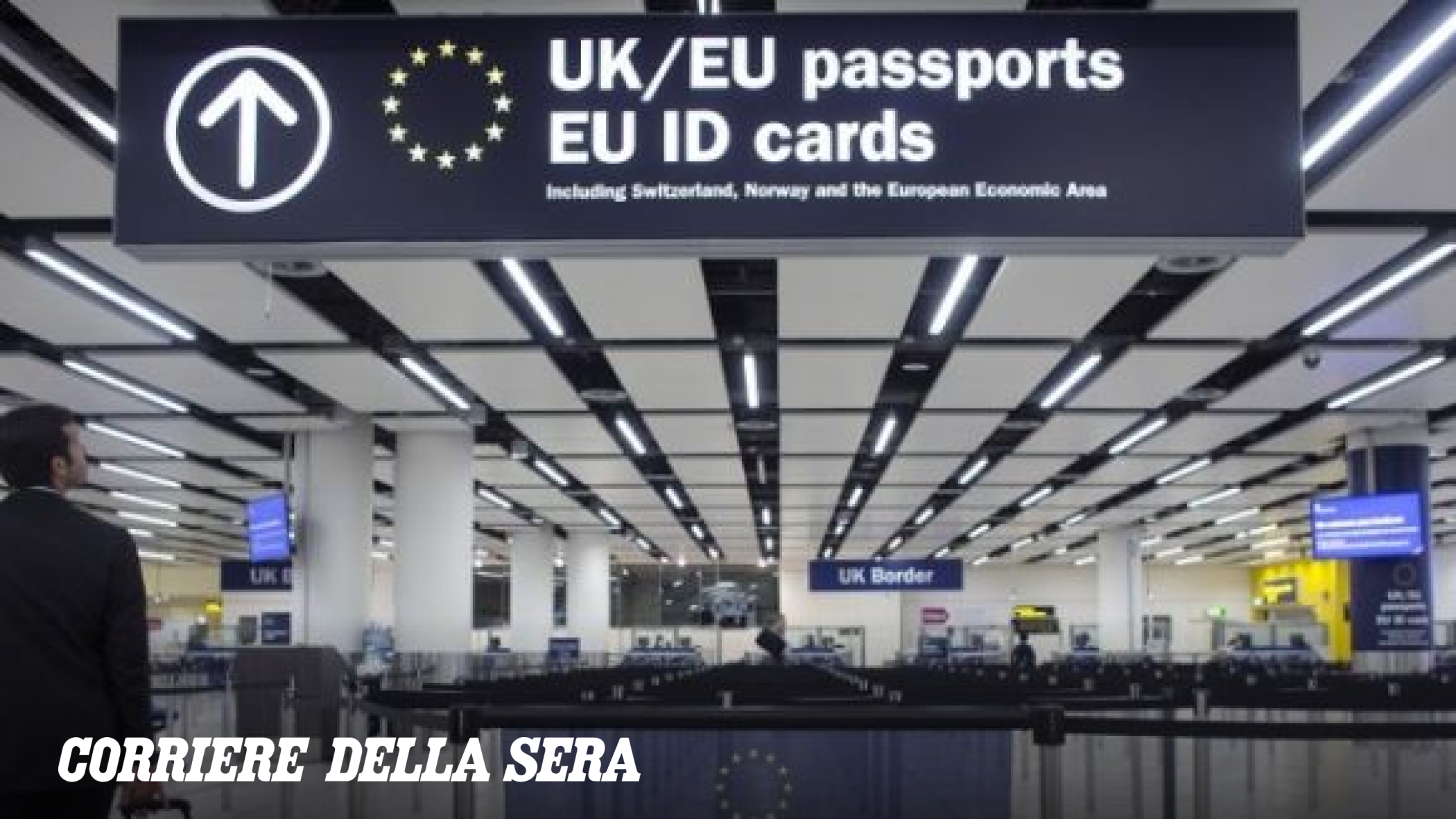
Germany confirmed plans to resume migrant deportations to Italy under revived Dublin regulations tied to the European Common Asylum System, prompting pushback from Rome as officials demand political concessions over NGO sea rescues. The enforcement wave begins with a scheduled August 19 removal, testing post-June 12 EU border rules.
Berlin Reasserts Dublin Rules as First August Removals Loom
The German Interior Ministry announced that migrant expulsions toward bilateral agreements and EU rules will resume without further delay, catching Italian counterparts off guard amid ongoing policy disagreements. A spokesperson for the ministry expressed surprise at Rome’s resistance, pointing to understandings forged in autumn 2025 that designated the newly implemented European Common Asylum System as the operational baseline for secondary movements.
Under the post-June 12, 2026, migration and asylum framework, responsibility for processing asylum seekers who entered the European Union through southern frontier states reverts squarely to countries like Italy and Greece. Berlin signalled that these returns apply strictly to cases arriving after the modern system took effect, bypassing older backlogs that both governments had previously agreed to clear. The German government, led by Chancellor Friedrich Merz, has placed the containment of irregular immigration among its primary government priorities.
The Case of Abdirisaq Warsame and the August 19 Transfer Deadline
The operational friction materialized around individual removal orders, spearheaded by the scheduled transfer of Abdirisaq Warsame, a 22-year-old Somali national. Having arrived in Germany in March after passing through Italy, the young woman would have been required under European rules and the Dublin Regulation to present her asylum request in Italy as the first EU country of entry.

German authorities served notice that her application fell outside local jurisdiction, triggering a formal Dublin inquiry. For nearly four years, starting from December 5, 2022, Italy had effectively suspended the readmission of so-called “dublinants”—asylum seekers who arrived first on Italian territory before moving to other European states—justifying the choice through migration pressure emergencies. Roma and Berlin had signed an agreement in December 2025 to clear past cases of dublinants who remained in Germany, but a spokesperson for the German interior ministry explained to Repubblica that for dublinants arriving this year, Germany intends to strictly apply European rules.
Wednesday, August 19 – the document obtained exclusively reads – you will be transferred to Italy. The police will come to pick you up. German Interior Ministry transfer notice
Rome Demands Political Compensation for German NGO Rescue Vessels
The Italian government countered Berlin’s enforcement push by raising broader structural objections, tying the acceptance of returned asylum seekers to maritime search-and-rescue burdens. Italian Foreign Minister Antonio Tajani stated that German NGO ships have disembarked migrants in Italy.

Interior Ministry sources in Rome stressed that while pre-June arrivals were effectively wiped clean by bilateral arrangements, incoming post-reform cases must factor in political and logistical reciprocity. Officials maintain that border states should not shoulder the entirety of secondary arrivals while partner nations dispatch vessels that routinely disembark rescued individuals on Italian shores.
| Actor / Institution | Stance on Dublin Transfers | Key Policy Condition |
|---|---|---|
| German Interior Ministry | Mandatory resumption | Immediate application of post-June 12 EU rules |
| Italian Foreign Ministry | Conditional acceptance | Balancing returns against NGO rescue disembarkations |
| European Commission | Strict enforcement | Rejection of blanket refusals without alternate dates |
Brussels Intervention and Domestic Political Pressures in Germany
The European Commission added regulatory urgency to the standoff by publishing its first operational evaluation on July 16, 2026, referring to the first three weeks of the new framework.
Behind Berlin’s uncompromising posture lie mounting domestic political pressures under Chancellor Friedrich Merz, who faces strain from polls showing the Alternative for Germany (AfD) party in steady ascent. The spokesperson for the Berlin interior ministry stated that they were somewhat surprised by the agitation over the issue and the disagreements with Rome, adding that this was because Germany and Italy have long cooperated well on the migration issue and the implementation of the common asylum system, noting that in the autumn of 2025 they concluded bilateral agreements with Italy and Greece, establishing that the Dublin rules would be applied again starting from the entry into force of the common European asylum system in June 2026.