As health authorities grapple with shifting immunization rates and persistent public health challenges, understanding the mechanics of preventable infectious diseases remains a vital priority for communities worldwide. Measles continues to present a significant global health concern, characterized by high contagiousness and the potential for severe complications, particularly among vulnerable populations such as young children and unvaccinated individuals. Public health agencies emphasize that while most cases resolve without long-term issues, the virus can trigger life-threatening conditions including pneumonia and encephalitis.
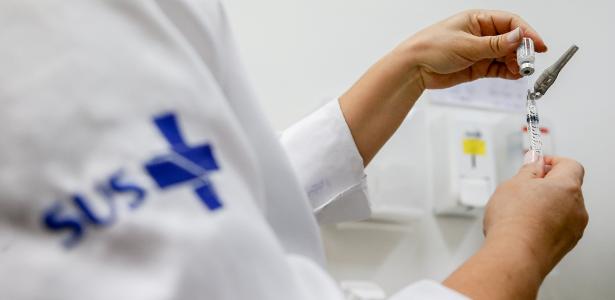
Recent guidance from international health organizations underscores the strict scientific evaluations that govern vaccine deployment during public health responses. According to the Pan American Health Organization (PAHO), vaccines undergo rigorous clinical trials to establish safety and efficacy before manufacturers submit data to the World Health Organization. Specialists review these findings for potential inclusion in the Emergency Use Listing, ensuring that national regulatory authorities can safely authorize import and administration within their respective territories.
The measles virus spreads efficiently through the air via droplets released when an infected person coughs, sneezes, talks, or breathes. Pathogens can remain viable in an environment for up to two hours after an infected individual vacates the space. Epidemiological data indicates that a single infected person can transmit the virus to up to 90% of nearby individuals who lack immunity. Transmission typically begins roughly four days prior to the onset of visible symptoms, allowing the virus to spread widely before a clinical diagnosis is established.
Initial clinical signs generally emerge one to two weeks following exposure. Patients frequently experience high fever, general malaise, a persistent cough, nasal discharge, and conjunctivitis. These early manifestations are followed by a characteristic maculopapular rash that typically originates on the face and behind the ears before advancing across the remainder of the body. Health professionals advise that anyone exhibiting suspected symptoms should wear a mask, isolate from others, and contact healthcare providers in advance of arrival to prevent further exposure within clinical settings.
Evaluating Severity and Complications
While uncomplicated cases of measles resolve favorably, the disease carries risks of severe secondary infections. Pneumonia remains the leading cause of measles-related mortality among young children. Other potential complications include otitis media—which can lead to permanent hearing loss—and acute encephalitis, an inflammation of the brain. A rare but exceptionally severe complication known as subacute sclerosing panencephalitis can also occur and proves fatal.
Vulnerable groups comprise infants, pregnant individuals, and anyone with compromised immune status or lacking active immunization. Clinical guidelines dictate immediate medical evaluation when specific warning signs appear. These critical indicators include respiratory distress, persistent or recurring high fever, excessive drowsiness, seizures, altered states of consciousness, and severe dehydration marked by an inability to retain fluids.
Regulatory Scrutiny and Global Monitoring
The distribution and administration of vaccines rely on a multi-tiered regulatory framework designed to safeguard public health. National regulatory bodies review clinical trial metrics alongside international evaluations before authorizing any biological product for public use. Continuous post-market surveillance ensures that safety and effectiveness profiles are monitored closely even after immunization programs are established within a population.
Public health agencies continue to stress that maintaining high community-wide vaccination coverage is the most effective defense against outbreaks. Individuals seeking guidance regarding catch-up immunization schedules or exposure protocols are encouraged to consult local public health advisories or certified medical professionals for tailored recommendations.