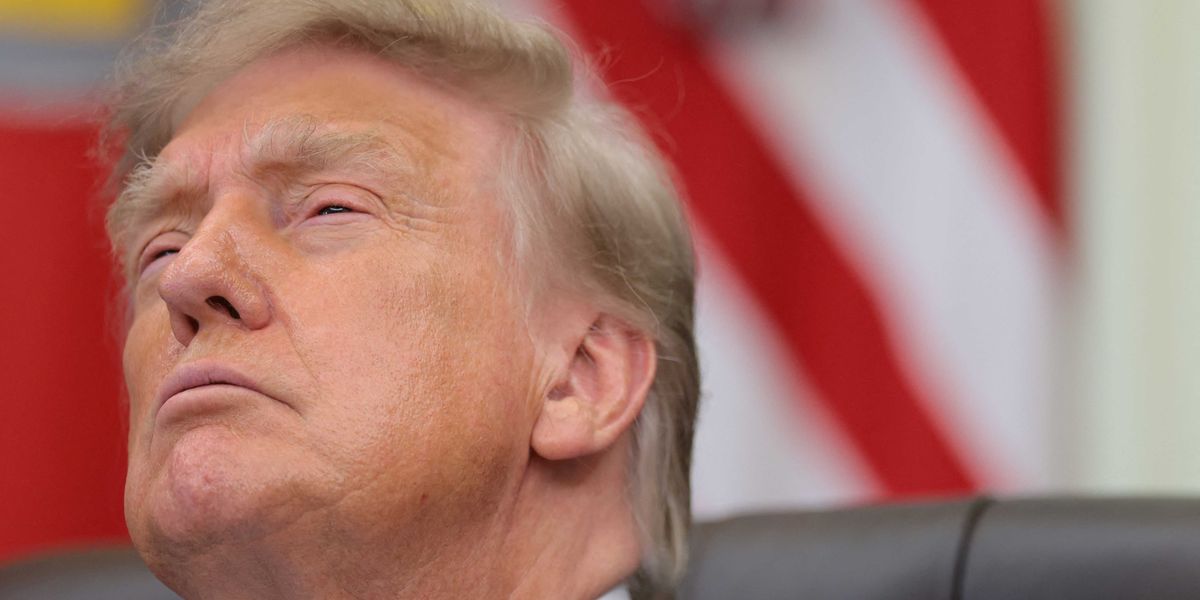
Following White House assurances that President Donald Trump remains in excellent health, CNN medical analyst and cardiologist Dr. Jonathan Reiner published seven detailed questions in a New York Times guest essay on Wednesday, August 12, 2026, pointing to visible physical ailments and demanding greater public transparency regarding the nation’s leadership.
President Donald Trump’s physical wellbeing has returned to the center of national debate following a critical guest essay penned by Dr. Jonathan Reiner, a professor of medicine at The George Washington University and former cardiologist to the late Vice President Dick Cheney. Reiner argues that voters deserve far greater transparency concerning the health of the commander-in-chief, noting that Trump will be the oldest person to serve in the presidency by the end of his current term.
The critique arrives directly on the heels of official reassurances from the executive branch. In May, the president’s physician, Dr. Sean Barbabella, wrote in a memo that Trump, 80, remains in excellent health
following his annual medical evaluation, citing a demanding daily schedule filled with public engagements and high-level meetings.
Despite the administration’s clean bill of health, Reiner contends that the public has been kept in the dark about critical details. In his essay, the cardiologist formulated a list of seven specific inquiries directed at the executive branch. His questions focus on several notable medical events and treatments, including why Trump consulted 22 medical specialists during his last checkup, the rationale behind taking a higher-than-recommended dose of aspirin, and the precise reasons that prompted advanced medical imaging last year.
Additional points raised by Reiner include what medications prescribed to Trump, if any, are kept private and why the president has undergone several cognitive tests. He also reported observations of bruising on Trump’s hands, swelling in his legs and instances where he appeared to be struggling to stay awake.
“In a representative democracy, the people must have confidence in the health of their leader, and in the leader’s capacity to guide the nation. We have been kept in the dark too long.”
Dr. Jonathan Reiner, professor of medicine at The George Washington University
Visible Symptoms and White House Explanations
While acknowledging he is not the president’s personal physician and has only reviewed publicly released records, Reiner pointed to physical signs that he argues are readily apparent to observers. The medical analyst observed that the president has large bruises on both hands, swelling in his legs and episodes when it appears that he is struggling to stay awake
The White House has previously addressed several of these visible indicators directly. Administration officials attributed the president’s hand bruising to frequent handshaking and aspirin use, while ascribing leg swelling to chronic venous insufficiency—a widespread condition where leg veins face difficulties returning blood to the heart. Regarding reports that the president appeared to be falling asleep on camera, the administration countered that he was merely blinking.
Historical Precedents and the Debate Over Transparency
The broader discussion over leadership transparency extends beyond the current administration. The debate has been amplified by recent health secrecy surrounding Senate leaders, including Sen. Mitch McConnell’s hospitalization. Reiner connected these contemporary information vacuums to historical examples, citing Grover Cleveland’s secret cancer surgery, Franklin Delano Roosevelt’s concealed wheelchair use and congestive heart failure, and Joe Biden’s 2024 debate performance.
Contrasting these secretive approaches, Reiner praised the candor shown by the late Vice President Dick Cheney, whose heart problems were openly managed and discussed during the George W. Bush administration.
The current practice of reporting the results of a yearly medical examination for the president began in the Nixon administration, but it’s only a custom, not a formal obligation.
“The United States does not have a king.”
Dr. Jonathan Reiner, cardiologist and professor of medicine
To address these accountability gaps, Reiner voiced support for establishing an independent commission outside of the executive branch to evaluate presidential fitness, though he conceded that sensitive details susceptible to exploitation by foreign adversaries should remain classified.
Keep reading