The High-Stakes Extraction of Obsolete Circuit Boards
Electronic waste recycling is taking an unusual turn as state institutions and private operators adopt novel chemical methods to recover precious metals from discarded devices. According to reports detailing industrial recovery operations, facilities can process thousands of tonnes of electronic scrap annually, yielding hundreds of kilograms of pure gold that would otherwise be lost to landfills or rudimentary salvage processes.
Gold is widely used in technology manufacturing because it provides exceptional electrical conductivity and resists corrosion. However, that exact chemical stability makes extracting the metal from obsolete consumer electronics and enterprise equipment notoriously difficult. While conventional recycling operations typically rely on high-temperature smelting or harsh acid baths, alternative chemical approaches are emerging to recover these materials safely and efficiently.
Room-Temperature Chemical Solutions Replace Thermal Smelting
Instead of exposing circuit boards to extreme heat or corrosive acids, advanced processing plants utilize specialized chemical processes designed to dissolve gold at room temperature. According to industry documentation, this technique eliminates the need for energy-intensive thermal heating while allowing the primary chemical solution to be reused across multiple batches of electronic components.
The recovery workflow begins with the systematic manual or mechanical disassembly of discarded electronics. Technicians separate base materials such as copper, plastics, and rarer elements like tantalum from the circuit boards before the electronic components are submerged in controlled chemical baths. Through subsequent purification stages, facilities extract a fine gold powder that is ultimately melted and refined into high-purity bullion.
From Obsolete Tech to Luxury Artisanal Jewelry
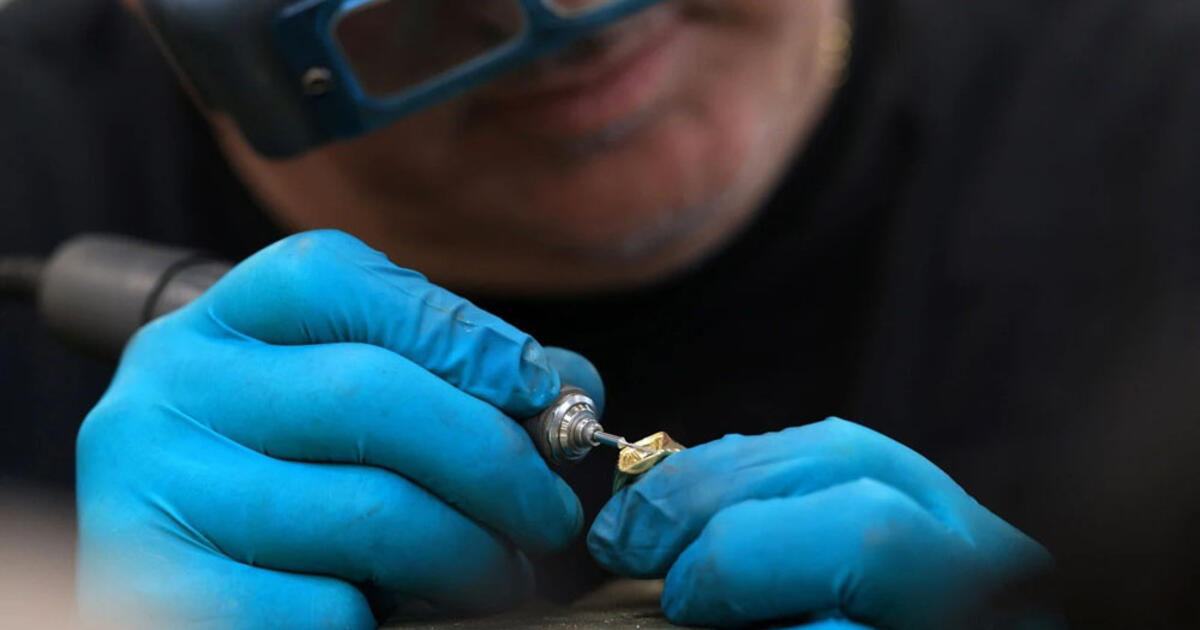
Recovered precious metals do not simply return to the industrial commodity market as standard bullion bars. Several specialized operations route the refined gold and silver directly into luxury manufacturing lines, crafting rings and other precious items from recycled technology components. Silver harvested from obsolete radio equipment and communication devices provided by public institutions often supplements these artisanal workshops.
Despite the high-tech origin of the materials, the finished jewelry maintains the exact physical and aesthetic qualities of traditionally mined precious metals. Jewelers note that distinguishing a finished piece crafted from recycled electronic scrap versus newly mined metal through visual inspection alone remains virtually impossible.
Confronting the Mounting Global E-Waste Crisis
The expansion of advanced recovery technology arrives as global electronic waste generation continues to outpace formal collection infrastructure. According to United Nations data tracking global e-waste trends, only 22.3 percent of all electronic waste generated worldwide in 2022 was formally collected and recycled.
Improper disposal of obsolete smartphones, computers, and household appliances introduces significant environmental hazards, including the release of toxic substances such as lead, mercury, and persistent plastics. Furthermore, inefficient or unregulated recycling practices contribute substantially to broader environmental degradation. As global demand and market values for precious metals climb, efficient urban mining initiatives offer a viable strategy to recover critical raw materials while mitigating the environmental impact of electronic discard.
Related reading