
Isla Phillips, the granddaughter of Princess Anne, has stepped into public focus as she celebrates her 14th birthday, emerging in royal commentary as an unexpected asset for the British monarchy during a challenging period for the institution. Born on March 29, 2012, at Gloucestershire Royal Hospital, Isla occupies the 21st place in the line of succession to the British throne, according to royal reporting. As the younger daughter of Peter Phillips and his ex-wife Autumn Kelly, she has grown up largely away from intense media scrutiny at Gatcombe Park, maintaining a lifestyle focused on outdoor activities and equestrian sports alongside her older sister, Savannah Phillips, and her grandmother, Princess Anne, as reported by Gala.fr.
In recent royal commentary, observers have highlighted how the younger generation of Windsor descendants remains entirely removed from the controversies that have affected senior figures within the family. According to royal observer Richard Fitzwilliams, as cited by international coverage of the milestone, Isla and her relatives represent a welcome breath of fresh air for the Crown. While public attention has focused on institutional pressures and scrutiny surrounding older members, including the fallout from matters involving Prince Andrew, younger family members who hold no formal royal titles continue to grow up in a grounded environment.
The decision by Princess Anne not to bestow royal titles upon her children at birth has afforded both Peter and Zara Tindall’s families a distinct advantage. This choice allows Isla and her cousins—including Savannah Phillips, Mia Tindall, Lena Tindall, and Lucas Tindall—to experience a private upbringing while still participating in major family and national milestones. Royal watchers note that this distance from daily working royal duties provides a protective buffer against public friction, positioning these teenagers as symbols of modern continuity as the institution evolves.
An Equestrian Upbringing at Gatcombe Park
Life for Isla Phillips centers largely around the expansive Gatcombe Park estate in Gloucestershire, where she has developed a deep involvement in equestrian sports. Under the guidance of Princess Anne, Isla and her family spend much of their time outdoors riding and participating in regional horse trials. According to reports from the Daily Mail, Isla has become a familiar presence at prestigious equestrian competitions, including the Badminton Horse Trials, the Gatcombe horse trials, and the Blenheim Palace International Horse Trials.
Public sightings of the teenager remain relatively rare, though her appearances routinely draw comparisons to her family’s equestrian heritage. At the start of 2026, Isla drew significant attention from onlookers when she attended the Cheltenham Festival. Bundled in a plaid scarf with her hair braided, her appearance prompted media observations regarding her striking resemblance to both Princess Anne and her aunt, Zara Tindall, during their youth. These occasional public outings highlight a growing poise that matches her expanding role in family gatherings.
Beyond equestrian events, family milestones continue to bring the siblings into view. Both Isla and Savannah Phillips served as bridesmaids at the wedding of their father, Peter Phillips, to his fiancée Harriet Sperling, an event that drew considerable media coverage. Commentators suggest that such family celebrations may lead to more frequent public appearances through 2026, offering observers further glimpses into how this generation is maturing into public life.
Generational Shift and the Future of the Monarchy
The positioning of the younger Windsor and Phillips grandchildren has become a frequent topic of discussion among monarchy analysts examining how the institution plans for the future. As King Charles III and other senior royals shoulder heavy schedules of official engagements, the contrast between the core working family and the un-titled grandchildren provides a unique structural flexibility. Without the formal burdens or payroll status of working royals, teenagers like Isla enjoy the freedom to pursue education and personal interests without the immediate pressures of state representation.
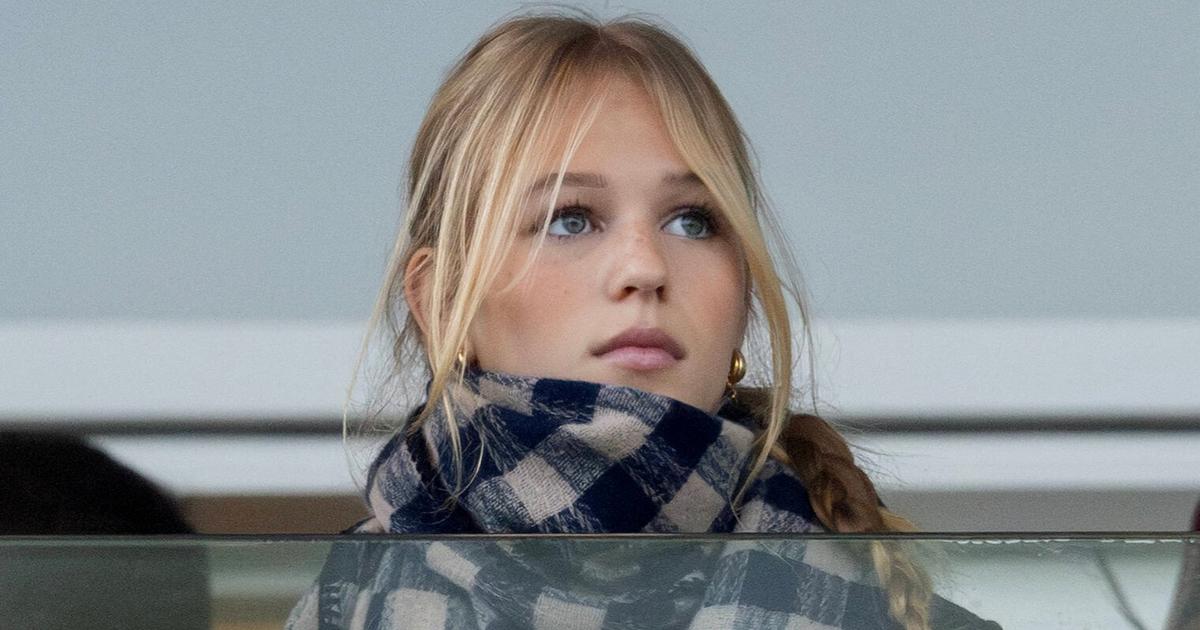
This dynamic has earned members of Isla’s generation labels from commentators such as Richard Fitzwilliams, who has described them as a vital counterbalance to recent institutional difficulties. While public debate and protests have occasionally targeted senior working royals—such as demonstrations during Commonwealth Day events—the younger cohort remains insulated from these political and personal flashpoints. Their relative anonymity serves as a safeguard, ensuring that the institution maintains a reservoir of fresh, unburdened public goodwill through its youngest relatives.
As Isla navigates her teenage years, her trajectory combines the traditional values of her grandmother’s work ethic with the modern reality of a slimmed-down monarchy. Whether she ultimately chooses a private career path akin to her parents or occasionally steps forward for major national events, her standing as the 21st in line to the throne ensures she remains a quiet yet notable part of the Windsor family’s enduring story.
Keep reading