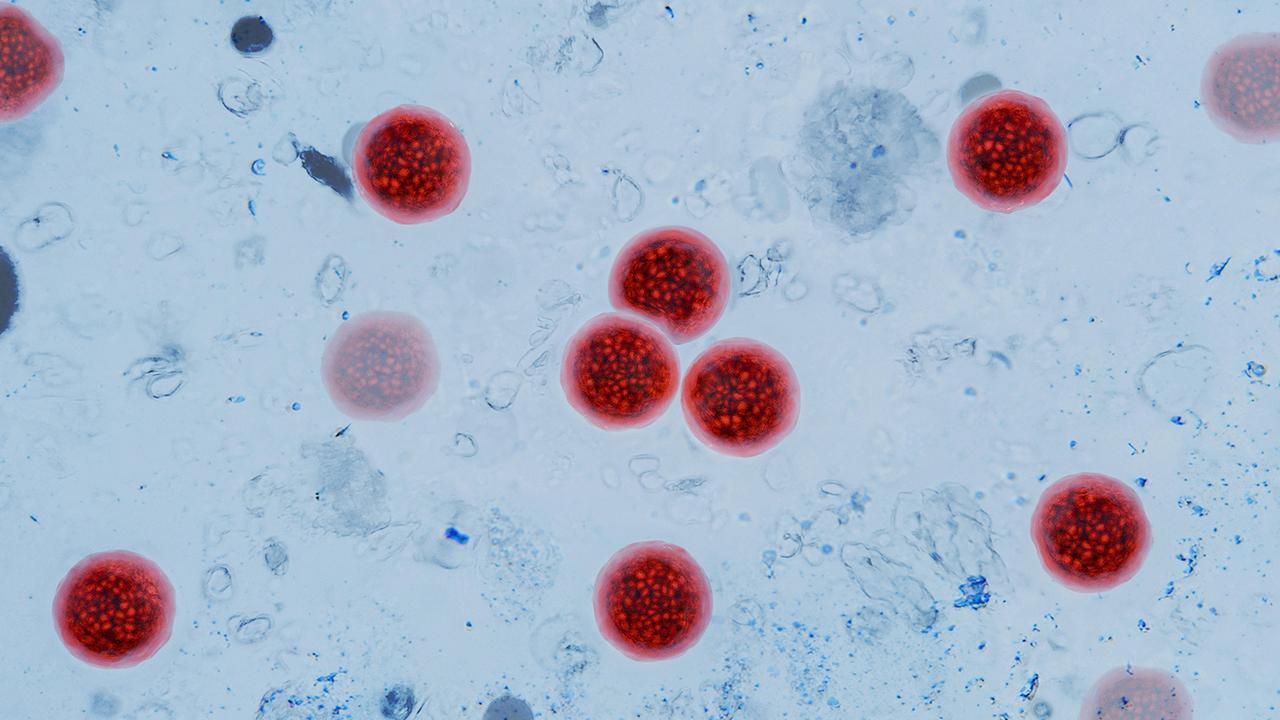
The United States is managing the biggest health challenge as a widespread outbreak of the intestinal parasite Cyclospora cayetanensis triggers thousands of infections across dozens of states, according to health officials. Federal and state health authorities have confirmed nearly 14,000 cases of cyclosporiasis in the ongoing wave, while investigations continue into more than 10,000 additional suspected illnesses. The outbreak has resulted in approximately 740 hospitalizations and two reported deaths, marking one of the most severe foodborne parasitic events recorded in the country.
Public health tracking shows that the outbreak has expanded across 31 of the 50 US states, with heavy concentrations reported in the Midwest, according to data from the Johns Hopkins Center for Health Security and state health departments. In Michigan alone, local health officials have recorded more than 1,500 infections—a dramatic surge compared to the roughly 50 annual cases typically documented in the state. The Centers for Disease Control and Prevention (CDC) has detailed that the parasite primarily attacks the small intestine, triggering prolonged bouts of watery diarrhea accompanied by frequent, sometimes explosive bowel movements, loss of appetite, and severe weight loss.
Investigators examining the vector of the outbreak have centered their efforts on fresh produce, specifically pointing to contaminated iceberg salad linked by health agencies to the produce processor Taylor Farms in Mexico. Because the microscopic parasite is excreted in hardy, thick-walled spores known as oocysts that survive outside a host for extended periods, it frequently hitches a ride on fresh vegetables, herbs like cilantro and basil, and soft fruits like raspberries. While federal food safety regulators have urged suppliers and distributors to enforce stricter supply-chain hygiene and inspection protocols for ready-to-eat produce, those recommendations remain non-binding, leaving consumers to navigate safety decisions independently.
Diagnostic Hurdles and Long Incubation Periods
A primary obstacle in containing the spread is the protracted incubation period associated with the pathogen. Dr. Omer Awan of the University of Maryland notes that up to two weeks can elapse between initial exposure and the manifestation of symptoms. By the time patients seek medical care and undergo multi-sample stool testing to confirm the diagnosis, many struggle to recall specific meals consumed weeks prior, significantly complicating trace-back investigations by public health officials.
The prolonged nature of the illness compounds the difficulty. Without medical intervention, symptoms can persist for over a month, placing vulnerable individuals at high risk of severe dehydration. Health agencies emphasize that while a full recovery typically requires targeted antibiotic treatment, the infection is rarely fatal.
Overlapping Food Safety Crises and Consumer Response
Adding to public health pressures, the Cyclospora surge coincides with parallel, massive outbreaks of Salmonella infections linked to commercial food supplies. The convergence of multiple foodborne pathogens has rattled consumer confidence and shifted retail habits nationwide. Grocery shoppers and market vendors report a palpable shift in daily purchasing routines, with many consumers abandoning pre-packaged salads, opting for frozen vegetables, or cultivating their own greens at home to bypass commercial supply chains entirely.

As state and federal investigators continue working to isolate specific lots and distributors connected to the multi-state parasite spread, health departments advise consumers to wash fresh produce thoroughly and monitor for persistent gastrointestinal symptoms. Regulatory updates regarding supply chain audits and trace-back findings are expected as public health laboratories process pending case files.