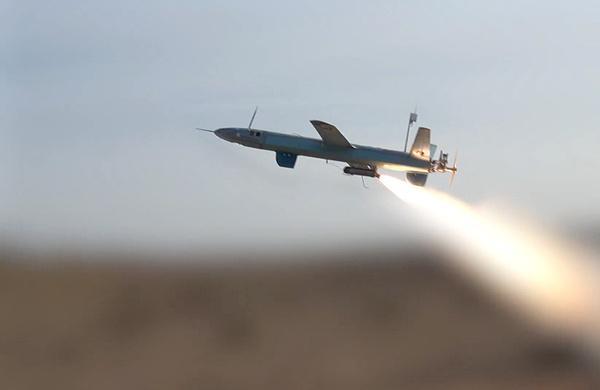
An escalation in fighting between the Yemeni government and the Houthi movement in Marib province has left at least 11 people dead, underscoring a broadening regional conflict that threatens maritime trade and Middle Eastern energy infrastructure. The Aug. 11 clashes involved intense ground combat near Marib city, where Yemeni government forces destroyed a Houthi communication station and a missile launch platform west of the city, according to regional reporting. The fighting resulted in the deaths of at least eight Houthi fighters and three government soldiers. At the time of the reports, the Houthi movement had not issued a public comment regarding the engagement.
This renewed domestic fighting coincides with a broader offensive by the Houthi movement targeting Red Sea shipping lanes, strategic ports, and energy assets in neighboring Saudi Arabia. First, the group aims to reinforce its control and threat projection over Red Sea shipping routes. While the Houthi movement already commands the Red Sea coast from Saada province to the port of Al-Hudaydah, other Yemeni factions hold sections of the coastline stretching south toward the Bab el-Mandeb strait. By targeting Mocha port, the group seeks to expand its territorial grip along the vital waterway.
Second, the campaign serves to pressure domestic rivals and expand territorial control within Yemen. The push into Marib targets rival power centers to diminish their regional influence. Third, the military actions apply direct pressure on Saudi Arabia, which supports anti-Houthi forces in Yemen. The offensive aims to compel Riyadh to abandon its backing of rival factions and lift blockades on Houthi-controlled Red Sea ports and coastal zones, according to Qin’s assessment.
Geopolitical Linkages and the Risk of a Prolonged Red Sea Crisis
Analysts connect the timing of the Houthi movement’s latest escalation to rising tensions between the United States and Iran. According to Qin Tian, the Houthi offensive began in late July, closely tracking a spike in U.S.-Iran diplomatic and military friction that began in early to mid-July. This chronological alignment suggests an objective tactical coordination between Houthi actions in the Red Sea and Bab el-Mandeb strait and Iranian operations or harassment in the Strait of Hormuz. Observers warn that this two-strait crisis dynamic risks becoming long-term. If Tehran faces pressure from Washington in the Persian Gulf, the Houthi movement may intensify operations in the Red Sea, and vice versa.
The operational scope of the recent attacks targets critical economic arteries and supply lines. Beyond military positions in Marib, Houthi forces have struck key ports and regional energy installations, raising security concerns for Saudi Arabia’s petroleum sector. Offshore exports, production facilities, storage tanks, and potential pipeline routes face risks from the campaign. Beyond immediate physical damage, these security incidents may cause doubts about Saudi Arabia’s stability and economic development environment, potentially affecting long-term development and economic revitalization plans.
Impact on Yemeni Stability and International Shipping
For the government in Yemen, the violence marks a resurgence of the civil war that had once subsided after 2022. Meanwhile, the international shipping industry continues to be affected by the maritime security crisis. Commercial vessel transits have dropped by approximately half, and plans to establish a “Red Sea Security Alliance” face mounting uncertainty.
Worth a look
- Why Houthi Rebels’ New Offensive Signals a Long-Term Red Sea Crisis
- S. Korea’s Shipbuilding Orders Up 61% in Jan-July, China Surges 107%
- FDA Approves Groundbreaking mRNA Vaccine Booster for Adults 50+, Boosting Immunity and Protecting Against Chronic Health Risks (archyworldys.com)
- Ebola Outbreak in DR Congo on Track to Surpass Historic West African Crisis (time.news)