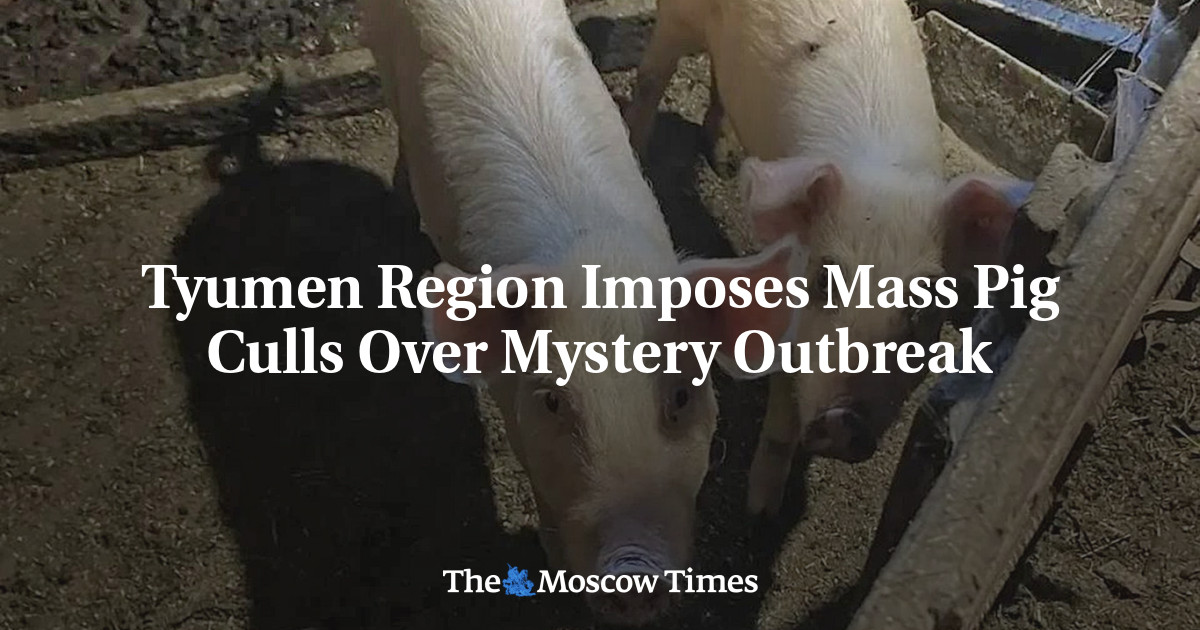
Agricultural authorities in Russia’s Tyumen Region have instituted mandatory livestock restrictions and mass culls following the detection of a localized infectious disease outbreak. The emergency measures, directed by regional veterinary services, target commercial and backyard farming operations to prevent wider transmission across Western Siberia’s agricultural belt.
The restrictions involve strict quarantine protocols, movement bans on cloven-hoofed animals, and depopulation measures within designated epizootic zones. Regional officials have not yet disclosed the precise pathogen driving the current Tyumen cull, though local agricultural inspectors report that containment lines and disinfection checkpoints have been established along major transport routes leading out of the affected districts.
Livestock producers within the containment zone face compulsory inspections, mandatory vaccination registers where applicable, and strict bans on selling uncertified meat or dairy products. State veterinary teams are moving door-to-door through rural settlements to audit herd sizes and enforce sanitation mandates, mirroring emergency protocols deployed earlier during animal health emergencies across the Russian Federation.
Precedent in Western Siberia and Regional Containment Protocols
The current culling campaign in Tyumen follows a similar livestock depopulation effort executed in the neighboring Novosibirsk region earlier this year. According to reports from regional agricultural agencies, the Novosibirsk outbreak was attributed to a severe pasteurellosis infection, a bacterial disease that causes acute respiratory distress and high mortality rates in cattle, sheep, and pigs.
While regional veterinary authorities in Tyumen have not officially confirmed whether pasteurellosis or another acute pathogen is responsible for the present emergency, the procedural response matches past containment efforts. Under Russian agricultural law, local quarantine committees possess the authority to order immediate herd depopulation within a specified radius of any confirmed outbreak of a dangerous animal disease to protect the broader national food supply chain.
Federal veterinary oversight bodies have deployed mobile diagnostic laboratories to the Tyumen Region to analyze tissue samples and determine the exact contagion vector. Local authorities report that preliminary laboratory results are expected within days, which will dictate whether quarantine boundaries are expanded to adjacent municipal districts or scaled back as disinfection measures take effect.
Economic and Supply Chain Impact on Local Producers
Smallholder farmers and commercial pork producers in the Tyumen Region face immediate economic disruption as compensation claims and quarantine restrictions take effect. State agricultural ministries have outlined compensation frameworks for registered livestock owners who lose animals to mandatory sanitary culls, though independent producers voice concern over valuation timelines and market access losses.
Wholesale meat markets across Western Siberia have adjusted distribution networks to bypass quarantined zones, increasing supply pressure on neighboring regions. Regional consumer protection bureaus emphasize that commercial meat products currently available in retail stores have passed mandatory veterinary certification and remain safe for consumption, as infected livestock are intercepted prior to entering the commercial slaughter pipeline.
Agricultural unions in Tyumen are coordinating with regional lenders to offer temporary loan deferments for affected farming enterprises. Industry analysts note that while the localized culls will temporarily reduce regional pork output, the strict containment measures are designed to prevent systemic damage to Russia’s broader swine production sector.
Next Steps for Regional Authorities and Producers
Regional veterinary services announced that quarantine checkpoints and disinfection stations will remain operational across the Tyumen Region for a minimum of 30 days following the completion of depopulation and sanitation procedures in the primary focus zones. Officials will conduct secondary blood testing and serological surveys of all remaining livestock herds within a 10-kilometer radius before lifting transport bans.
Farmers and agricultural enterprises seeking official updates, compensation forms, or quarantine boundary maps can consult the portal of the Tyumen Region Department of Agro-Industrial Complex. Local authorities have urged all agricultural operators to report any sudden livestock mortality or respiratory symptoms to district veterinary stations immediately.