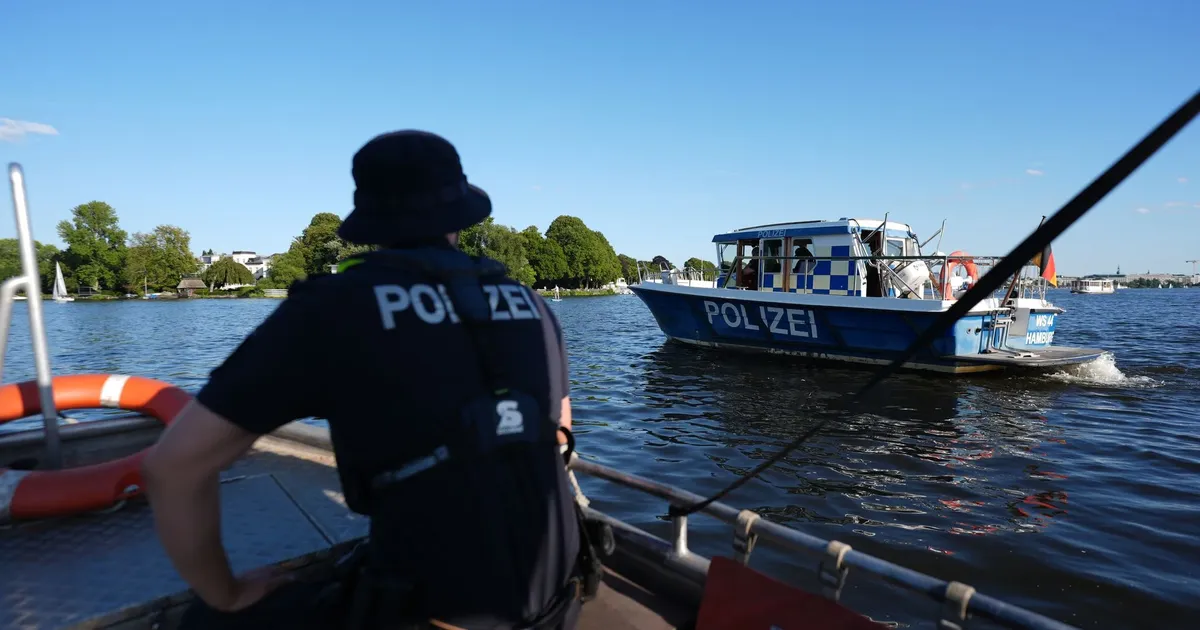
Amid summer conditions on the Alster and Elbe rivers, the Hamburg Water Police conducted a comprehensive enforcement operation targeting sport boats and harbor ferries, according to reports from Zeit Online. Over the course of the day-long initiative last weekend, law enforcement personnel checked 76 watercraft and verified the credentials of 82 individuals, resulting in 16 administrative offense proceedings.
The enforcement sweep uncovered multiple violations of maritime regulations as waterway traffic surged with seasonal visitors. Among the recorded infractions, officers intervened on a commercial harbor ferry at the Landungsbrücken docks and launched proceedings against its captain after discovering 278 passengers on board—surpassing the vessel’s maximum legal capacity of 250 occupants, as detailed by Zeit Online.
In a separate incident on a tributary of the Outer Alster, water police stopped a canoe carrying a 34-year-old man and five companions. An initial breathalyzer test administered to the steersman indicated a blood alcohol concentration of 1.37 per mille, prompting officers to initiate criminal proceedings for suspected intoxication in maritime traffic, as reported by Zeit Online.
Legal Limits and Classifications for Watercraft in Hamburg
The Alster functions as an official federal waterway, meaning that statutory alcohol limits governing road traffic apply equally to all vessel operators. According to regulations outlined by Zeit Online, operating a watercraft with a blood alcohol level starting at 0.5 per mille incurs a monetary fine, while crossing the threshold of 1.1 per mille transforms the administrative violation into a criminal offense.
Water police emphasized that small watercraft—including canoes, pedal boats, inflatable rafts, and stand-up paddleboards—fall under the same legal obligations as larger vessels. Operators of these craft must adhere strictly to navigation laws and sobriety limits. In addition to alcohol restrictions, the same legal blood limits for cannabis use that apply to automobile drivers also apply to boat operators, set at a threshold of 3.5 nanograms of tetrahydrocannabinol (THC) per milliliter of blood, as noted by Zeit Online.
Enforcement Priorities and Next Steps
The weekend initiative highlights ongoing scrutiny by regional authorities over recreational and commercial navigation safety during peak summer months. With passenger vessels carrying high volumes of tourists and locals alike, maritime units continue to monitor compliance with passenger caps, life-saving equipment requirements, and sobriety mandates across Hamburg’s rivers and lakes.
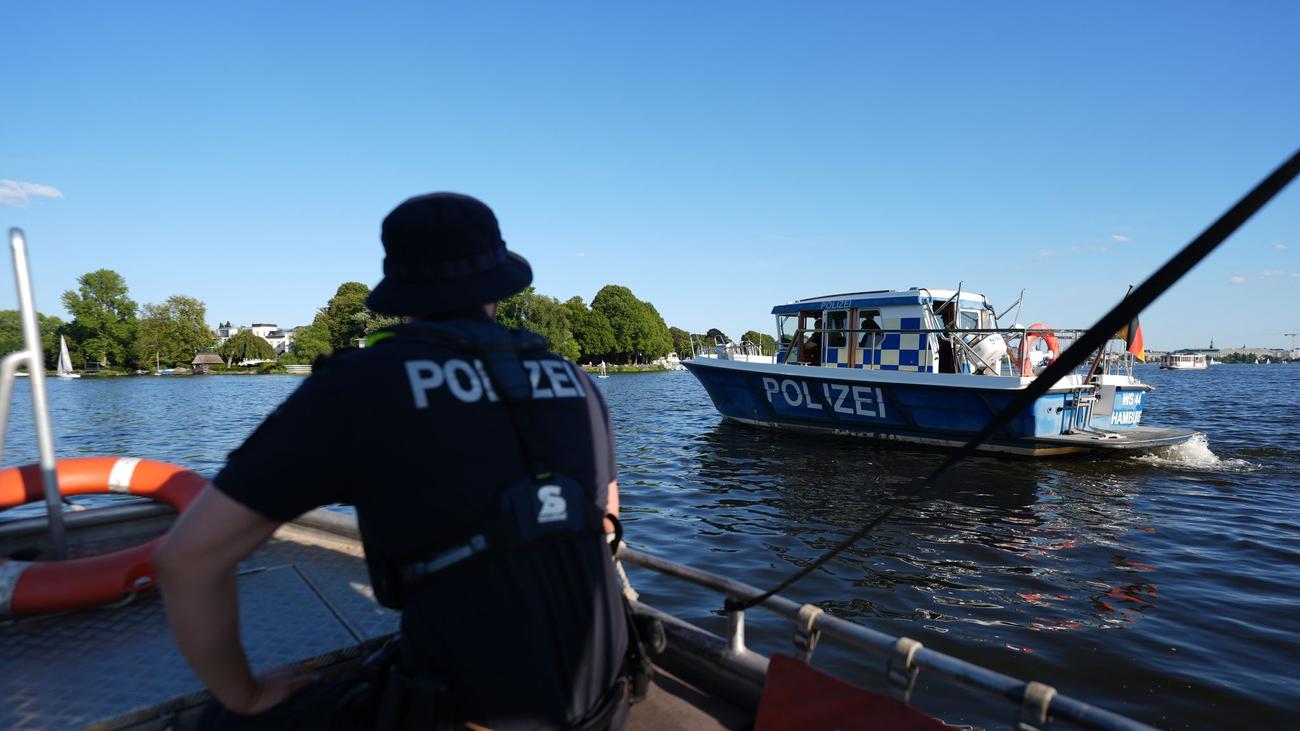
The 16 administrative proceedings initiated during the operation are currently being processed by local authorities, while the criminal investigation involving the intoxicated canoeist proceeds through the legal system.
Worth a look