Satellite Analysis Reveals 70 Percent Growth at Lake Baringo
The severe impacts of global climate change have manifested starkly in Kenya’s Rift Valley, where rising water levels at Lake Baringo and Lake Bogoria have displaced thousands of residents, submerged local infrastructure, and driven wildlife dangerously close to populated areas. According to satellite imagery analysis by Agence France-Presse, the surface area of Lake Baringo has expanded by 70 percent since 2010, swelling from 138 square kilometers to 234 square kilometers.
The dramatic rise—described by scientists as reaching levels not seen in half a century—has forced communities to abandon traditional settlements and relocate repeatedly as environmental displacement continues unchecked.
Encroaching Waters Trigger Alarming Human-Wildlife Conflicts
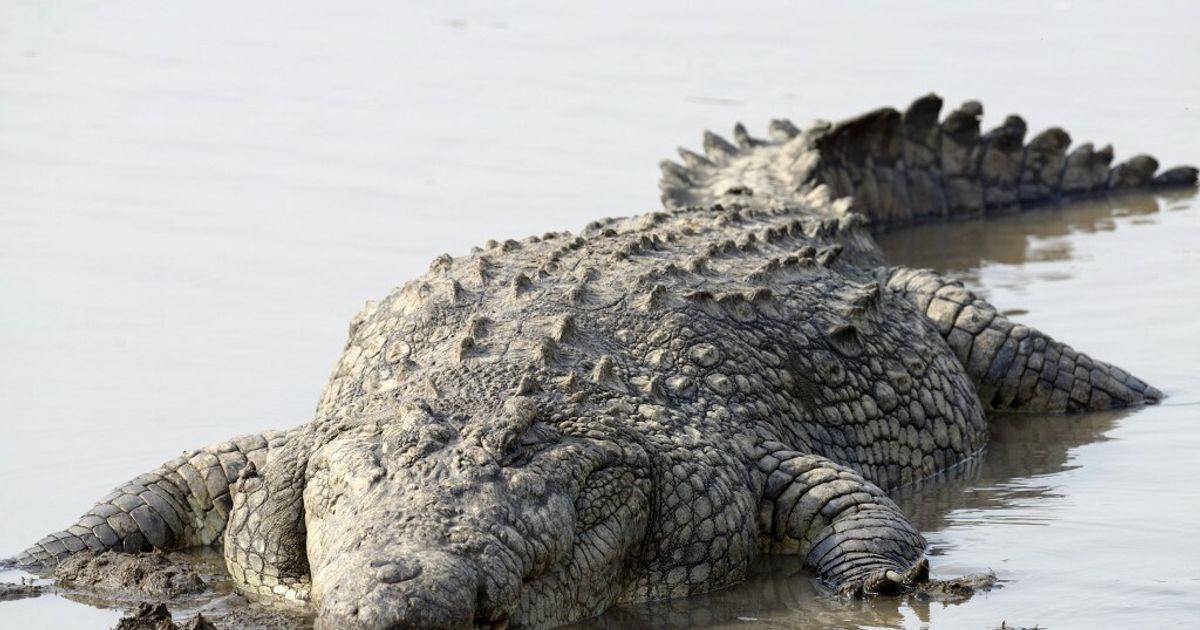
This geographic expansion has drastically increased the frequency of human-wildlife conflicts across the region. “There has been an increase in crocodile attacks not because the numbers have grown, but because the lake is now right next to the houses,” said Jackson Komen, responsible for the Kenya Wildlife Service, highlighting how encroaching waters have erased buffer zones between human habitats and native fauna.
Alongside rising threats from crocodiles, local populations face heightened dangers from hippopotamuses displaced from their submerged grazing grounds. The encroachment has even affected local educational institutions, such as a primary school on Kokwa Island where rising waters recently breached the perimeter fence of a girls’ dormitory, forcing school administrators to hire armed guards to prevent nocturnal wildlife intrusions.
Scientists Warn of Potential Basin Merger and Ecological Collapse
Environmental scientists tracking the region’s hydrographic changes warn that Lake Baringo is not an isolated case. Neighboring Lake Bogoria expanded by 21 percent over the same period, growing from 34 square kilometers to 41 square kilometers.
With the shorelines of the two distinct basins now separated by barely 10 kilometers, researchers express growing concern over a potential merging of the waters. While Lake Baringo is a freshwater body, Lake Bogoria contains highly saline and alkaline waters. Mathew Herrnegger, a researcher at BOKU University in Vienna, noted that satellite altimetry data suggests cross-flow between the two basins may already be underway, threatening an ecological collapse that could destroy local fisheries, drinking water supplies, and irrigation systems.
Tourism Economy Collapses as Protected Areas Submerge
The regional transformation has severely disrupted the local economy, particularly affecting tourism and community conservation efforts. Approximately 80 percent of community-protected wildlife areas have been submerged, necessitating emergency relocations for species including giraffes, ostriches, and impalas. At least four hospitality complexes along the shores of Lake Baringo are largely underwater, while rising waters at Lake Bogoria have forced away the area’s famous pink flamingos and inundated geothermal hot springs.
Annual tourism revenues for the zone have dropped dramatically to approximately 200,000 euros, representing a fifth of historical earnings as residents face an uncertain future during ongoing seasonal rains.
Displaced Residents Await Long-Term Resettlement Strategy
“We are helpless,” said Faith Mpayei, describing the psychological toll of moving her household perimeter fence twice since 2016 as waters continue to encroach upon her land.
As regional authorities and conservation agencies monitor the advancing shoreline, affected families await further official guidance regarding long-term resettlement strategies. Readers seeking updates on environmental alerts and wildlife management advisories can consult official communications released periodically by the Kenya Wildlife Service.
Keep reading