The Rise of Absurdist Political AI in the Middle East
The rapid proliferation of short, AI-generated videos across Arabic-language social media platforms is offering internet users a kitschy, highly stylized form of political commentary amid ongoing regional conflicts. Across platforms like Instagram, low-cost digital tools and generative software are driving a cottage industry of content creators who produce absurdist clips featuring prominent political figures, according to recent cultural analyses of digital media trends in the Middle East.
Humiliating Scenarios and Viral Reels
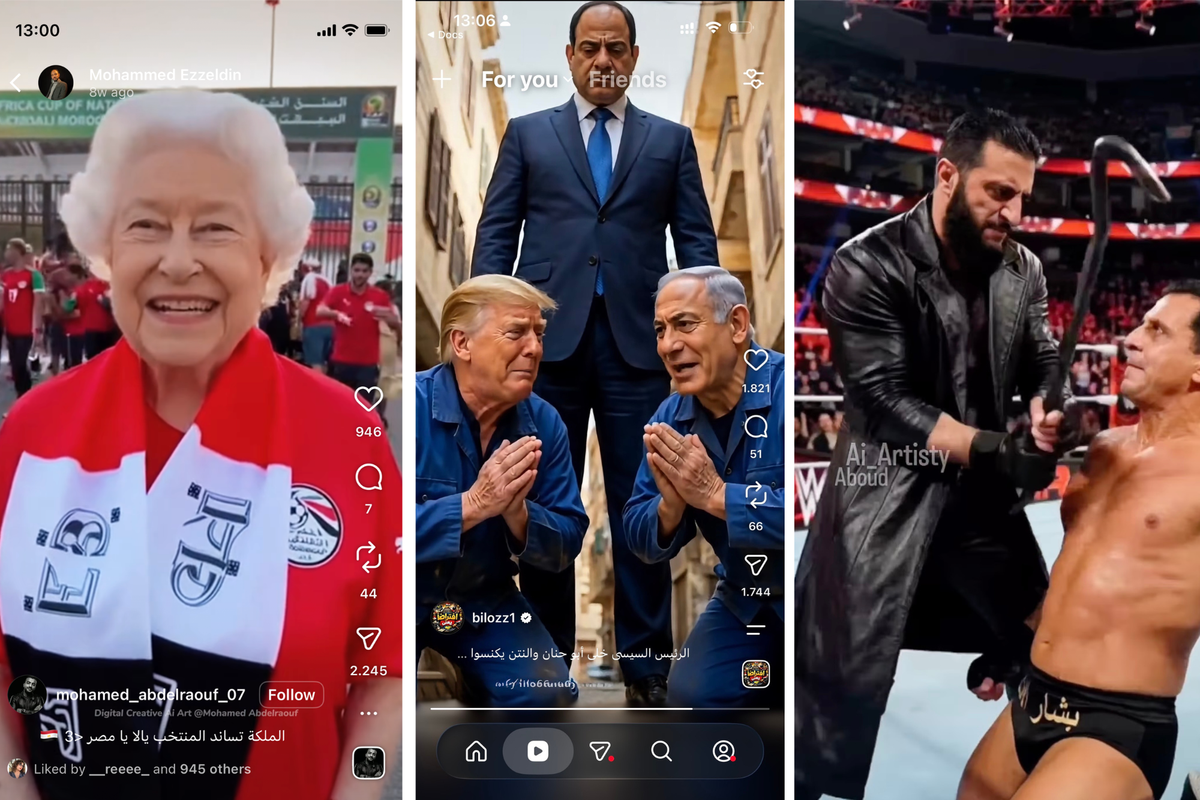
These short reels, often categorized broadly as AI slop, frequently employ exaggerated tropes of nationalist masculinity while depicting foreign leaders in humiliating scenarios.
In April 2026, an Instagram reel uploaded by creator bilozz1 gained widespread circulation by portraying US President Donald Trump and Israeli Prime Minister Benjamin Netanyahu as janitors cleaning a public restroom under the command of Egyptian President Abd al-Fattah al-Sisi, who subsequently strikes Trump in the face. Subsequent videos by the same creator featured the two leaders scrubbing kitchen dishes and working as street cleaners in a fictional Egyptian alley, where President Sisi appears as a towering figure demanding obedience.
Coping with Crisis Through Digital Kitsch
While such videos share technical traits with viral content seen globally—including occasional audio glitches, unnatural lip-syncing, and sensationalized plots—their resonance in the Arabic-speaking internet occupies a distinct cultural space. Observers note that these clips often circulate among populations fatigued by persistent digital exposure to severe humanitarian crises and military conflicts in Gaza, Lebanon, and Iran.
Rather than functioning as traditional propaganda or structured satire, the content relies on banality and hyper-visible tropes to engage viewers through direct messaging and social media stories.
Independent Creators and Platform Capitalism
Behind the viral nature of these digital spectacles lies a growing labor sector of independent content creators, particularly in Egypt, who utilize accessible artificial intelligence platforms to generate short reels.
According to cultural commentators studying the phenomenon, producing these ten-second clips requires navigating the limitations of free software tiers, trapping creators in a continuous cycle where they act simultaneously as digital laborers and platform consumers. This intersection of authoritarian politics, platform capitalism, and accessible generative technology highlights how digital kitsch continues to shape modern online discourse across the region.
Worth a look