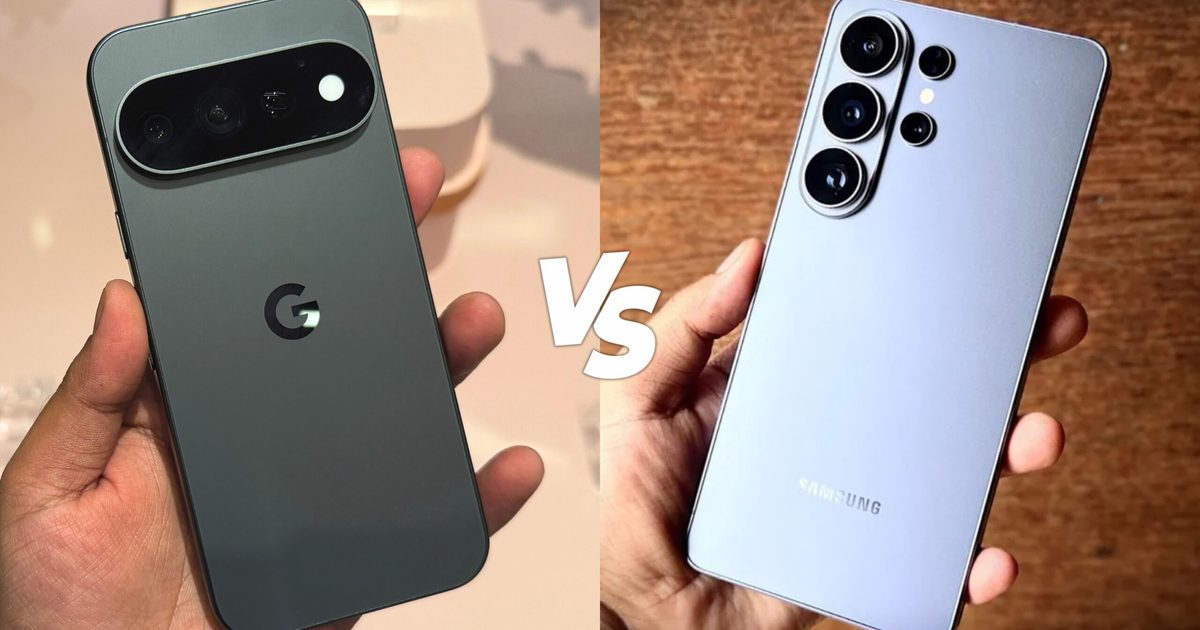
The debate between Google’s software-driven approach and Samsung’s hardware-heavy philosophy centers on two flagship devices: the Google Pixel 11 Pro XL and the Samsung Galaxy S26 Ultra. When buyers weigh these competing ecosystems, they face a fundamental choice between advanced artificial intelligence integration and raw hardware power, camera versatility, and physical customization.
Google traditionally anchors its flagship smartphone lineup around deep software integration and machine learning capabilities. By focusing on predictive features, voice processing, and real-time computational photography, Google aims to simplify daily tasks and automate complex functions. This philosophy treats the smartphone as a dynamic computing assistant that adapts to user behavior over time.
Conversely, Samsung targets power users and mobile productivity enthusiasts by emphasizing heavy-duty performance hardware, extensive device customization, and integrated physical tools like the S Pen. The Galaxy S26 Ultra builds on Samsung’s hardware heritage, featuring high-capacity processing silicon, versatile multi-lens camera arrays designed for varied focal lengths, and a robust physical chassis built for demanding multimedia workflows.
Hardware Performance and Processing Power
Samsung equips the Galaxy S26 Ultra with industry-leading processors designed to handle intensive gaming, multitasking, and on-device rendering without thermal throttling. The hardware configuration prioritizes raw speed, high refresh rate display technology, and expandable or high-tier storage configurations that appeal to power users who demand desktop-class performance from a mobile device.
Google takes a more balanced approach with the Pixel 11 Pro XL, focusing its custom silicon development heavily on neural processing units rather than raw benchmark dominance alone. While the device handles everyday applications and demanding software smoothly, its primary architectural goal is to accelerate on-device artificial intelligence models, machine learning algorithms, and voice recognition tasks efficiently.
Camera Systems and Imaging Philosophy
The imaging battleground highlights the stark differences between the two brands. Samsung’s Ultra line relies on high-megapixel sensors and extensive optical zoom capabilities, giving photographers granular physical control over their shots. The inclusion of multiple specialized lenses allows users to capture sweeping landscapes and distant subjects with high clarity.
Google’s camera strategy relies heavily on computational photography. Instead of relying purely on sensor size or physical reach, the Pixel 11 Pro XL uses sophisticated algorithms to balance exposure, reduce noise, and reconstruct detail in challenging lighting conditions. Features like Magic Eraser and advanced video boost showcase how software can bridge physical limitations in mobile sensors.
Customization, Productivity, and the S Pen
For users who value physical input and deep operating system customization, Samsung holds a distinct advantage. The Galaxy S26 Ultra includes the S Pen, enabling precise note-taking, sketching, and document signing directly on the display. Samsung’s One UI skin also offers extensive menu-level customization, allowing users to tailor every aspect of the interface to their exact preferences.
Google’s software interface offers a clean, streamlined user experience modeled on stock Android. While it provides fewer granular visual tweaks than Samsung’s platform, it delivers faster software updates and a cohesive design language. For buyers who prefer a minimalist interface integrated tightly with Google services, the Pixel experience remains a primary selling point.
Buying Considerations for Global Consumers
Deciding between the two devices depends largely on individual workflow priorities. Consumers who favor multitasking, physical styling, multi-lens camera versatility, and stylus productivity tend to lean toward Samsung’s ecosystem. Those who prioritize conversational AI tools, streamlined software updates, and automated photo editing gravitate toward Google’s hardware.
As both companies prepare for upcoming product life cycle updates and developer conferences, buyers should monitor official manufacturer announcements for final specifications, regional pricing, and release dates. Prospective purchasers can review official product support pages and hardware specifications directly on the Google Store and Samsung Official Website to stay informed on availability.
Related reading