
The proposed extension of the African Growth and Opportunity Act (AGOA) through December 2028 provides Kenyan manufacturers with greater certainty to plan production, according to Investment, Trade and Industry Cabinet Secretary Lee Kinyanjui. The legislative development addresses persistent planning challenges for exporters.
According to reporting by Capital FM, the anticipated timeline extension helps stabilize local manufacturing schedules. Additional reporting from Eastleigh Voice noted that the U.S. House of Representatives advanced the legislative extension via a 340–54 vote, moving the measure forward to the Senate for further consideration. First enacted in 2000, AGOA grants eligible countries duty-free access to the American market across multiple sectors including light manufacturing and agriculture.
For Kenya, the legislative continuity directly impacts industrial planning within specialized trade zones. Ministry figures indicate that textile and apparel producers based inside the country’s Export Processing Zones (EPZs) account for more than 80,000 direct jobs, alongside about 250,000 indirect employment opportunities. Trade Cabinet Secretary Lee Kinyanjui stated that the renewal would ease prolonged uncertainty and unlock renewed confidence and growth.
Industrial Stability for Export Processing Zones
The operational framework of Kenya’s textile sector relies heavily on predictable tariff structures when shipping goods overseas. Industrial operators inside the country’s Export Processing Zones faced uncertainty earlier this year when the programme lapsed. According to statements released by the Ministry of Investments, Trade and Industry, the extension to 2028 restores business confidence.
Beyond immediate job retention, Kenyan trade authorities emphasize that the framework supports broader economic objectives. Business Today noted that Trade CS Kinyanjui welcomes the US extension of the AGOA deal.
Diversifying Beyond Textiles into Regional Commodities
While apparel remains a dominant export category under the trade preference program, Kenyan trade planners are actively pursuing export diversification. According to government trade assessments, upcoming strategic pushes will target non-traditional shipments, including agricultural commodities and specialty services.
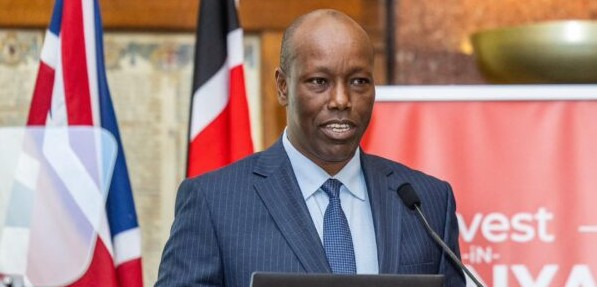
Cabinet Secretary Lee Kinyanjui noted that state trade agencies aim to expand shipments under the framework to encompass coffee, tea, horticultural goods, and tourism services. These objectives align with bilateral discussions held during a visit by President William Ruto to Washington, D.C., where Kenya’s request for enhanced market access to the US was discussed.
Broader Trade Realities and Regional Scrutiny
Despite the positive reception of the legislative vote in Washington, broader trade dynamics introduce notable complexities for regional participants. Coverage from Eastleigh Voice highlights that while the U.S. House vote provides temporary relief, broader trade conditions include bilateral tariffs introduced under US President Donald Trump in August 2025, which imposed import taxes of between 10 per cent and 30 per cent on exports that had previously entered the US duty-free.

Additionally, scrutiny surrounds the eligibility status of other sub-Saharan participants, such as South Africa, amid strained relations with Washington. For Kenya, maintaining clear compliance and reliable supply chains remains paramount as the legislative bill advances through the U.S. Senate.
The U.S. Senate is expected to review the AGOA extension bill. Stakeholders across East African industrial corridors continue to monitor proceedings in Washington as the December 2028 expiration target moves closer to formal enactment. Readers are encouraged to share their insights or discuss the economic impacts of the trade renewal in the comments below.