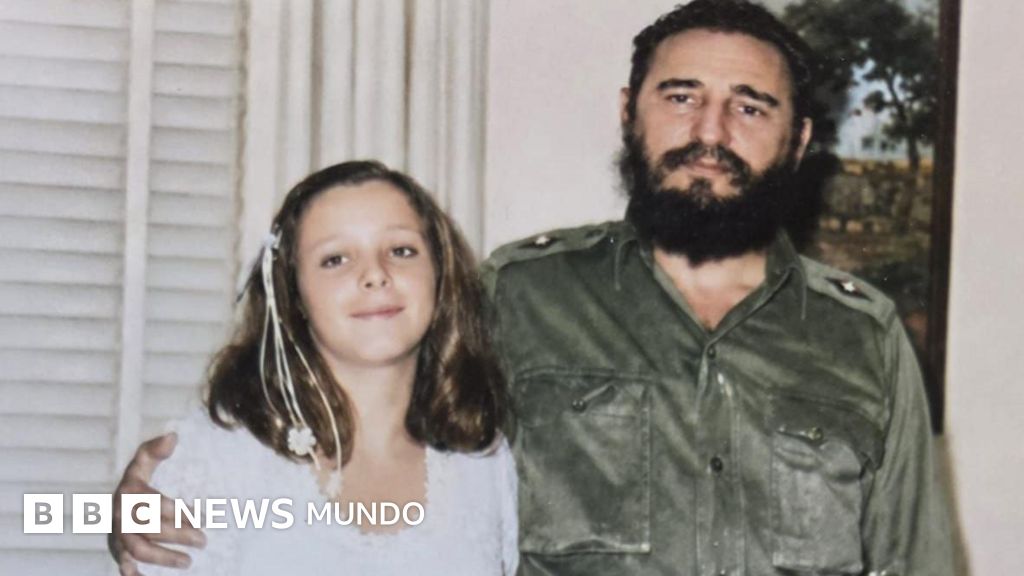
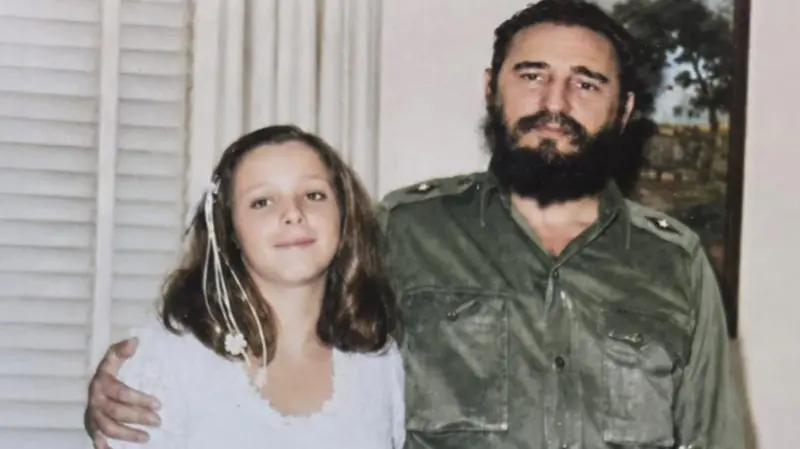
Alina Fernández, the daughter of Fidel Castro, has opened up about her tumultuous upbringing, her dramatic escape from Cuba in 1993, and the legacy of the late revolutionary leader as the centenary of his birth approaches on August 13, 2026. Speaking from her home in Miami, Fernández reflected on a lifetime spent in the shadow of a father she never wanted to call “papá,” describing an environment marked by ideological rigidity, surveillance, and profound personal disillusionment.
Born in Havana in 1956 from an extramatrimonial relationship between Castro and Naty Revuelta—a young woman of Havana’s high society—Fernández spent her early childhood believing her father was Orlando Fernández, her mother’s husband. It was not until she reached the age of 10 that her mother revealed her true lineage, a secret she later realized was widely known by everyone in their social circle. Despite the revelation, Fernández refused to adopt the Castro surname and consistently rejected the revolutionary ideology that her mother ultimately embraced.
Recalling her earliest memories of the 1959 revolution, Fernández told reporters how television programming shifted dramatically overnight. She remembered the disappearance of Mickey Mouse from the screen, replaced by bearded rebels arriving in Havana, a sight that initially filled her with apprehension. As the regime consolidated power, she witnessed the public trials and televised executions that cast a climate of fear over the capital. While Castro occasionally visited their home during late-night hours—bringing gifts such as a doll modeled after himself—Fernández grew increasingly alienated by the atmosphere of mandatory volunteer work, marathon political speeches, and constant political indoctrination.
By the early 1990s, amid the severe economic collapse of the Special Period following the dissolution of the Soviet Union, Fernández resolved to leave the island. On December 19, 1993, she executed a meticulous escape plan utilizing a borrowed Spanish passport, a wig, and a practiced accent to clear customs at the Havana airport. Describing the moment the aircraft finally departed, she recalled a profound sense of liberation, equating her departure to escaping from an asylum. After a brief stay in Spain, she settled permanently in the United States, where she embraced her identity publicly to campaign against the Cuban government through radio broadcasts and her 1997 autobiographical book, Alina: Memorias de la hija rebelde de Fidel Castro.
Life in Exile and Perspectives on Modern Cuba
Living in Miami for more than two decades, Fernández has maintained a starkly critical stance toward the political and economic system established by her father. Commenting on the ongoing crises in Cuba under the administration of Miguel Díaz-Canel—marked by severe food shortages, widespread blackouts, and economic deterioration—she attributes the structural collapse directly to the centralization of power and state monopolies initiated decades ago. Now retired and living quietly in South Florida, Fernández noted that she maintains no contact with other members of the Castro family and regards her father’s historical legacy as a diminished symbol of a bygone political era.
The situation in Cuba continues to draw intense international scrutiny as civic organizations and human rights monitors document ongoing economic hardship and political repression across the island.
What are your thoughts on this story? Share your perspective in the comments below.
Keep reading