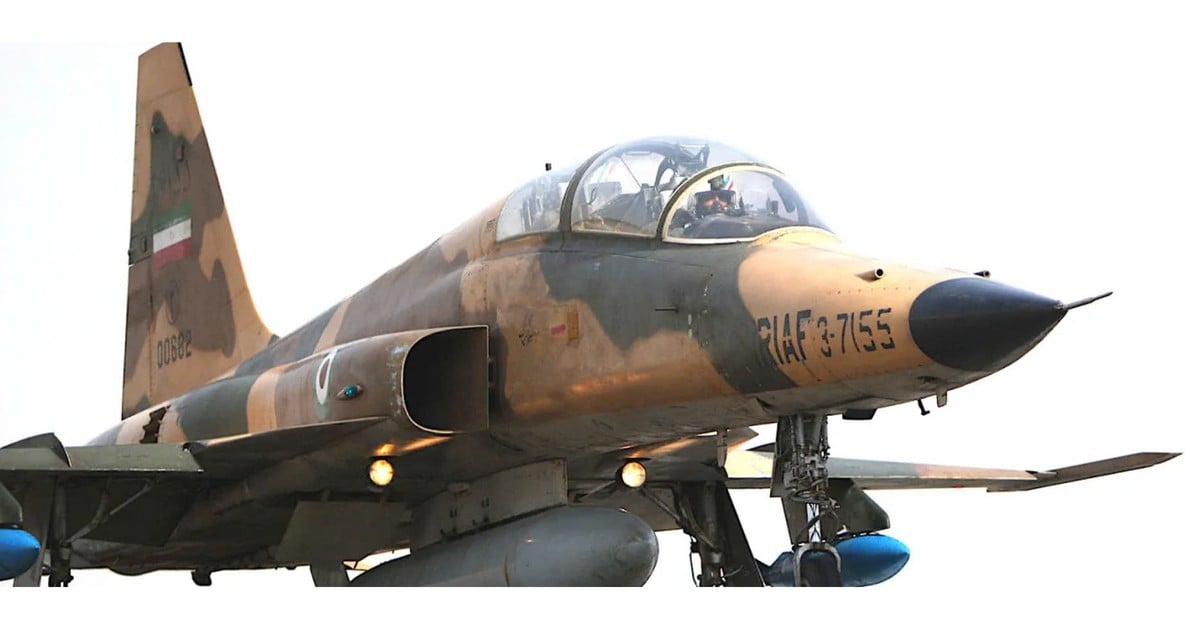
United States military officials are re-evaluating baseline air defense postures across the Middle East following complex low-altitude penetrations by adversary aircraft during regional operations. According to public testimony and official military briefings, conventional ground-based missile batteries and radar networks have faced severe detection hurdles when confronting fast-moving, low-flying aerial threats operating close to the terrain.
The operational vulnerabilities came to the forefront during a comprehensive assessment presented at the annual Missile and Space Defense Symposium in Huntsville, Alabama by military leaders, including Glen VanHerck, former commander of the United States Northern Command and North American Aerospace Defense Command.
At the center of these strategic reviews are specific incidents involving fixed-wing aircraft navigating undetected beneath standard radar coverage envelopes. Defense analysts point to operations where older airframes—such as upgraded F-5 fighter jets operated by regional actors—utilized extreme low-altitude flight profiles, hugging the ground at heights well below conventional radar horizons. By maintaining strict radio silence and plotting flight corridors explicitly designed to bypass major Patriot missile batteries and ground-based sensor nodes, these missions exposed critical blind spots in fixed-site defense layouts.
Military planners note that ground-based air defense systems inherently struggle with low-horizon targets unless supplemented by elevated airborne sensors, such as Airborne Warning and Control System (AWACS) platforms. However, when initial phases of a conflict involve proactive suppression or targeting of regional radar installations and electronic sensors, the resulting gaps in the overarching air picture significantly complicate defense coordination.
Command Authorities and Coordination Gaps
Beyond hardware limitations, former military commanders have highlighted structural challenges within joint command frameworks. According to VanHerck, a core difficulty during high-intensity regional engagements stems from ambiguities regarding responsibility for base defense across different military branches. Observers noted instances where units faced rapid-onset threats without clear, centralized protocols for managing multi-service interception tasks, leading to fragmented responses and coordination friction.
Historical incident reports from regional engagements have documented chaotic aerial environments where simultaneous multi-directional threats triggered friendly-fire complications between coalition air assets. While military investigations into specific cross-service interception errors generally resulted in no personnel casualties, they underscored the immense difficulty of managing dense, rapidly evolving air battles under intense electronic and physical stress.
Resource Constraints and Stockpile Pressures
Compounding the tactical challenges of low-altitude defense is the substantial consumption rate of critical interceptor munitions. Months of continuous engagement against incoming drones, cruise missiles, and tactical aircraft have drawn down American and allied stockpiles of Patriot missiles, Terminal High Altitude Area Defense (THAAD) interceptors, and counter-drone systems.
Defense acquisition authorities are currently working to accelerate the replenishment of these vital stocks, expand short-range air defense manufacturing capacity, and deploy advanced counter-UAS technologies. Officials caution, however, that rebuilding comprehensive multi-layered interceptor inventories and fielding upgraded sensor grids across scattered forward-operating bases will require sustained capital investment and multi-year procurement timelines.