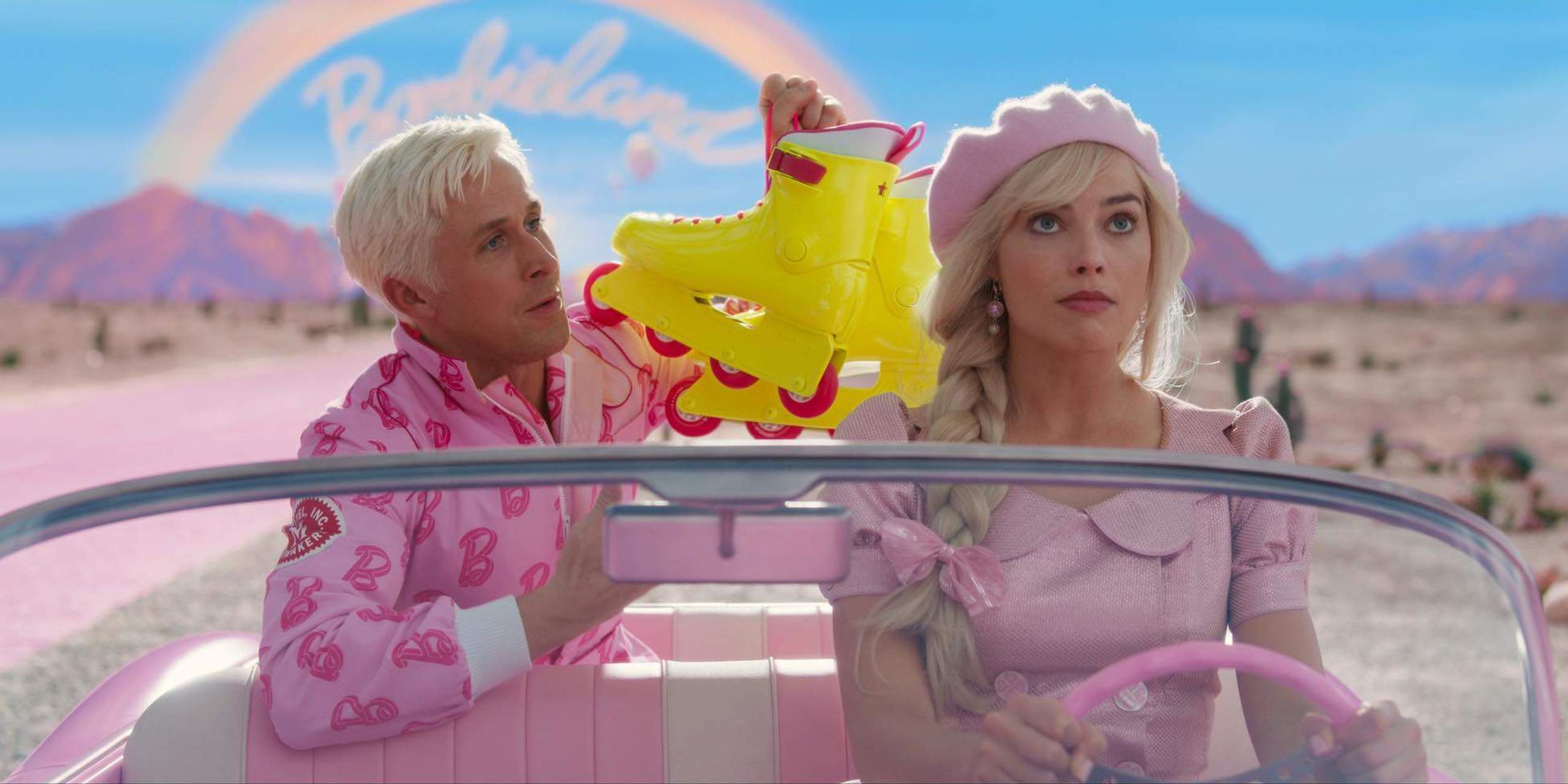
The highly anticipated sequel to the blockbuster film “Barbie” has stalled at Warner Bros. amid a high-stakes financial standoff between studio leadership and the movie’s core creative team, according to reports from The New York Times and Variety. Following a theatrical run that grossed 1,4 mil milhões de dólares globally, lead star and producer Margot Robbie, co-star Ryan Gosling, and filmmakers Greta Gerwig and Noah Baumbach are pushing for substantial pay increases and larger box office profit shares for a potential follow-up.
Negotiations have ground to a halt because initial contracts for the first film lacked provisions or clauses addressing potential sequels. This omission has handed significant leverage to the central creative team behind the studio’s highest-grossing film in history. However, Warner Bros. CEO David Zaslav has reportedly balked at the proposed financial terms, leaving the future of the project in limbo as both sides engage in a public relations battle through industry press reports.
Adding urgency to the impasse, the studio faces a strict timeline regarding intellectual property rights. If Warner Bros. fails to place “Barbie 2” into active development by December, the film rights will revert entirely to Mattel. Should that occur, the toy manufacturer would be legally free to negotiate a brand-new project with a different studio and creative team, though it remains barred from reusing any specific story elements or personnel from the original film.
Financial Standoff and Exorbitant Demands
Industry insiders have described the financial demands from the creative team as considerable, though accounts regarding the exact scope of the offers vary. According to reports, Ryan Gosling—who earned an Academy Award nomination for Best Supporting Actor for his portrayal of Ken—is seeking 20 milhões de dólares to reprise his role. Meanwhile, Margot Robbie’s final compensation for the first film, combining base salary and profit participation, reportedly exceeded her initial 50 milhões de dólares projection, while Greta Gerwig also earned tens of millions.
Warner Bros. motion picture group heads Michael De Luca and Pamela Abdy have reportedly submitted more than six distinct proposals, all of which have been rejected by the quartet. Studio sources characterize the most recent offer from the spring as the largest financial package the studio has ever extended to a filmmaking team and its stars. Conversely, alternative sources dispute the historic nature of individual payouts, even as industry observers estimate that securing the return of the four principals could easily surpass 100 milhões de dólares—comparable to a significant portion of the first movie’s 145 milhões de dólares production budget.
Legal teams and executives at competing studios have expressed surprise at the complete absence of sequel options in the original talent agreements. At the same time, sources close to the negotiations suggest that the creative team remains unsatisfied with proposed profit-sharing structures rather than flat salaries, though other insiders dispute those characterizations entirely. Despite the friction, reports indicate the creators are not demanding first-dollar gross participation—a slice of box office revenue collected before the studio recovers its initial production investment.
Production Timelines and Future Outlook
Even if Warner Bros. and the creative team reach a compromise, logistical hurdles mean a sequel is unlikely to reach theaters before 2029. Greta Gerwig and Noah Baumbach have reportedly developed a concept for the second film but refuse to share the idea or begin writing a script until new contracts are finalized for themselves and the lead actors.
Furthermore, the principals face heavily congested schedules. Ryan Gosling recently joined the Marvel Cinematic Universe to star in a new iteration of “Ghost Rider,” slated for a 2028 release. As studio executives and representatives trade public messages through media leaks, the immediate next checkpoint rests on whether Warner Bros. leadership alters its stance before the December rights expiration deadline with Mattel. Readers and industry watchers are encouraged to share their thoughts and join the discussion in the comments below.