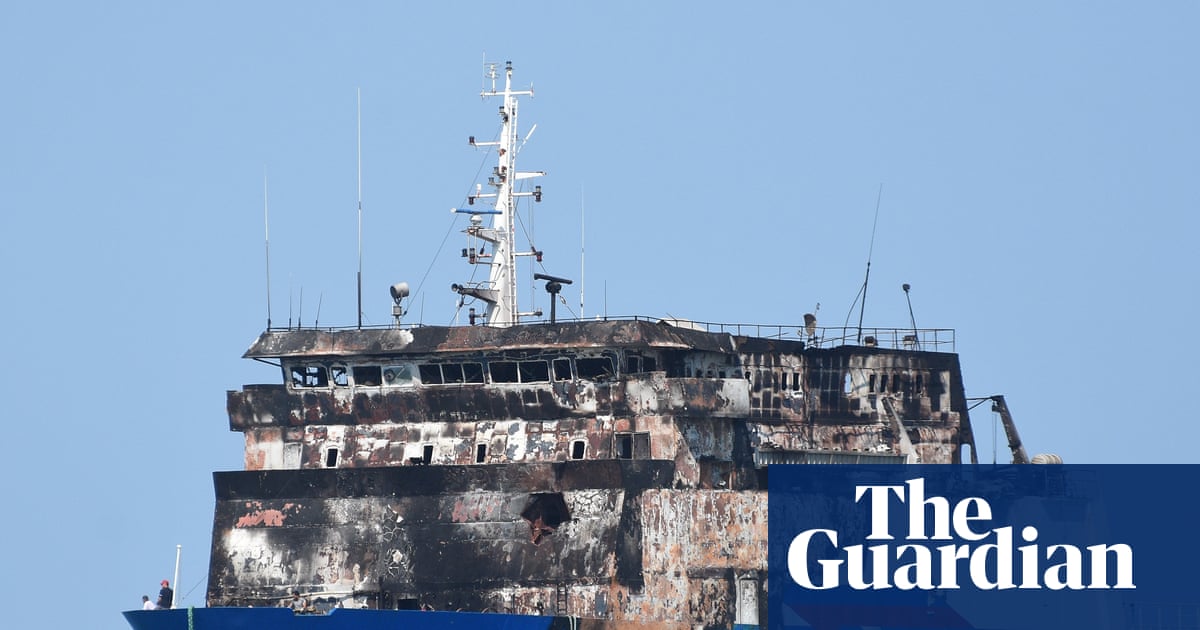
Ukraine has proposed a Black Sea truce through a third party to halt attacks on civilian shipping and reopen critical grain export corridors. Moscow has not yet responded, while agricultural markets and trade routes experience severe disruption amid escalating military strikes and regional supply pressures.
Ukraine has transmitted an offer to Russia proposing that both nations cease maritime strikes against civilian vessels in the Black Sea, according to reporting from Reuters. The diplomatic overture aims to revive commercial traffic along a crucial export artery used to ship grain and agricultural products worldwide.
Black Sea Shipping Disruptions and Grain Export Pressures
The waterway remains essential for global food supplies, serving as a primary export route for both agricultural powerhouses. Since July, however, the route has experienced severe military friction. Ukrainian drone campaigns have struck nearly 220 vessels in the Sea of Azov and the Black Sea, including cargo carriers, oil tankers, and passenger ferries. These actions forced Russia to suspend commercial shipping through the canal connecting the Caspian Sea to the Sea of Azov via a Russian river network, running through the Kerch strait between occupied Crimea and Russia to the Bosphorus strait in Turkey.
Simultaneously, Russian strikes have heavily targeted Ukraine’s southern ports in Odesa, Chornomorsk, and Pivdenne, through which approximately 90% of Ukrainian grain and sunflower shipments normally depart. In July, a Russian drone strike killed 10 sailors following an attack on the Turkish-owned grain carrier Golden Leo shortly after its departure from Odesa, with casualties including nationals from Syria and India. Another 16 port workers and sailors have died in other recent strikes. The resulting de facto blockade has sent Ukrainian grain exports tumbling 76% year-on-year so far in August, heightening international concerns over food security.
Moscow Response and Prior Maritime Agreements
The Kremlin and the Russian foreign ministry did not immediately respond to requests for comment regarding the proposed truce. Before the report surfaced, Deputy Russian Foreign Minister Alexander Grushko stated that Moscow had received no formal ceasefire proposals through official channels, according to Russia’s state news agency TASS. Recently, we have been hearing many calls for various kinds of moratoriums and truces. These ideas are being put forward through various channels, but we have not received any formal proposals,
he said.
The situation recalls the Black Sea grain initiative brokered by Turkey and the United Nations, which operated from July 2022 until July 2023 before collapsing when the Kremlin declined to renew it over complaints that Western sanctions were damaging Russia’s agricultural sector. Following its end, Ukraine unilaterally reopened the route using sea drones against Russian ships in the north-west part of the Black Sea, forcing most of Russia’s Black Sea fleet to relocate from Sevastopol in occupied Crimea to Novorossiysk.
Novorossiysk Port Strikes and US Diplomatic Friction
The current diplomatic overture also follows friction involving US officials and energy transit, following a Financial Times report. In a phone call on July 31, US Vice President JD Vance asked Ukrainian President Volodymyr Zelenskyy to cease some attacks on the Russian Black Sea port of Novorossiysk. Vance complained that Ukrainian strikes on tankers carrying oil from Kazakhstan were hurting US companies and destabilizing oil prices, telling Zelenskyy to stop them, according to unnamed Ukrainian officials cited by the newspaper. Zelenskyy’s office did not comment on the call.
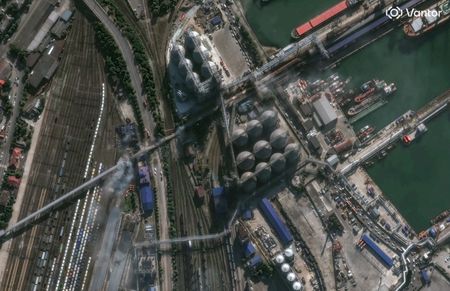
While Ukraine’s unmanned systems forces have not attacked ships carrying oil from Kazakhstan via the Caspian Pipeline Consortium terminal since the call, they have continued to pound other targets in Novorossiysk. On Wednesday, Zelenskyy hailed a “massive” combined attack on the port featuring rockets, jets, and sea drones, stating that Ukraine had taken out Russian warships hiding in Novorossiysk Bay, including two frigates, a large landing ship, a corvette, and other vessels. Other targets included two major grain export terminals, and Russian officials reported that three people, including a child, were killed.
It is entirely justified that Ukraine is responding to Russia’s war, and it is Russia that can and must bring this war to an end,
Zelenskyy posted on Telegram.
Market Reactions and Outlook
International commodity markets reacted swiftly to the developments. Euronext wheat pared gains in choppy trading on Thursday to come off a two-week high following the Reuters report. On Sunday, Turkey had also conveyed its concerns about attacks to Russia and Ukraine, stating that both should declare a moratorium on attacks in the Black Sea.
With Kyiv awaiting a formal response from Moscow and domestic harvest seasons underway, international observers and agricultural traders continue to monitor whether the third-party overture can establish a lasting respite in the contested waterway.
Worth a look