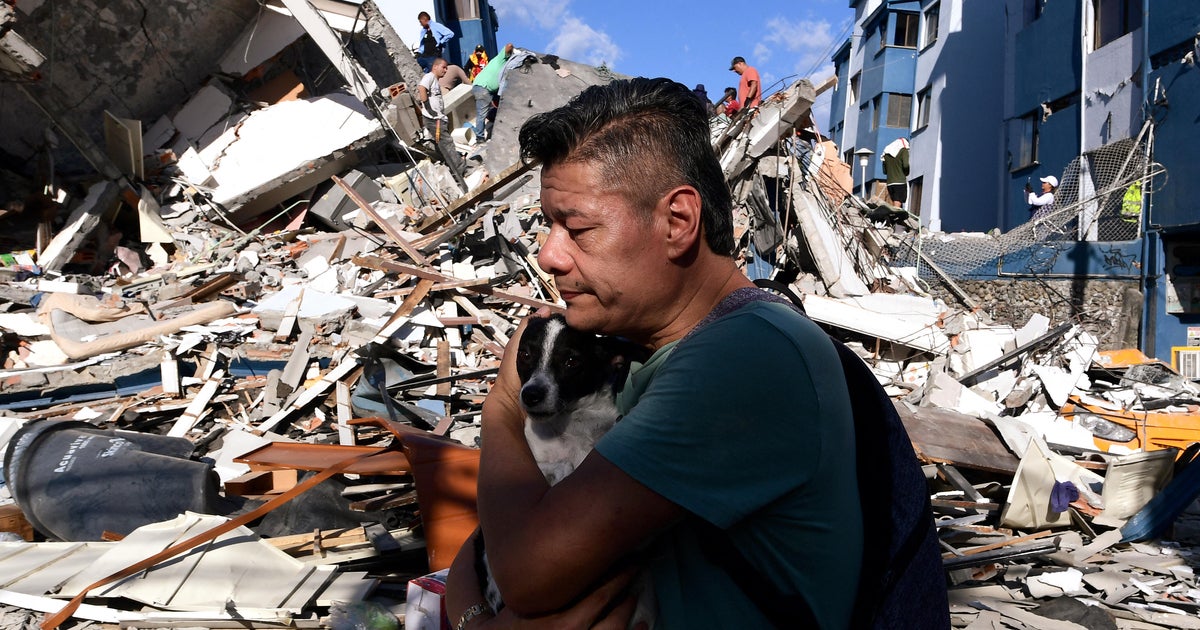
Colombia earthquake survivors in regions repeatedly struck by seismic activity face prolonged trauma, deep material loss, and a complex, yearslong recovery path shaped by recurring infrastructural failures and institutional strain. According to international humanitarian assessments and local disaster response agencies, affected communities grappling with successive major earthquakes encounter acute psychological distress alongside severe housing deficits. Responders emphasize that physical rebuilding represents only a fraction of the challenge, as residents navigate persistent anxiety and economic disruption long after initial emergency rescue operations conclude.
The cumulative impact of multiple major seismic events leaves families vulnerable to chronic instability. Disaster management specialists indicate that enduring two major disasters in a single region strains local municipal resources and delays long-term rehabilitation. Communities face protracted displacement, with temporary shelters often stretching into permanent makeshift settlements while residents wait for promised government housing reconstruction funds and structural safety evaluations.
The Psychological Toll of Repeated Seismic Trauma
Psychological health professionals working in disaster-affected zones report a pervasive sense of powerlessness among survivors who experience structural destruction more than once. When homes rebuilt after an initial disaster are destroyed again by subsequent tremors, the psychological burden intensifies significantly. According to field reports from humanitarian organizations operating in the Andean region, individuals frequently exhibit symptoms of chronic anxiety, hypervigilance, and prolonged grief.
Mental health services in these areas remain critically underfunded relative to the scale of the need. Local clinics and mobile psychological units strive to provide counseling, but the sheer volume of traumatized residents exceeds local capacities. Responders note that children and elderly populations are especially vulnerable to the psychological fallout of displacement and the loss of familiar community spaces. Without sustained, long-term mental health interventions, communities risk generational cycles of unresolved trauma and acute stress.
Structural Vulnerabilities and the Reconstruction Bottleneck
Rebuilding infrastructure resilient to seismic activity requires strict enforcement of building codes and substantial financial investment. Independent engineering assessments highlight that many residential structures in vulnerable zones lack modern earthquake-resistant engineering, largely due to economic constraints and informal housing expansion. When a second major earthquake hits, these pre-existing structural weaknesses lead to catastrophic damage.
Government agencies face severe backlogs in distributing reconstruction aid and verifying structural safety clearances. Delays in bureaucratic processing leave thousands of families in legal and physical limbo. While emergency food and medical aid typically arrive rapidly during the initial crisis phase, the transition to durable housing solutions moves at a fraction of the necessary speed. Local municipal authorities often lack the fiscal autonomy required to execute large-scale retrofitting projects without sustained national intervention and international donor support.
What Responders Say Will Happen Next
Emergency management officials and disaster relief coordinators outline a multi-phase strategy focused on mitigating future risks while addressing current displacement. The immediate priority involves transitioning families from temporary tent camps into transitional modular housing ahead of upcoming rainy seasons, which frequently trigger secondary hazards such as landslides in mountainous terrain.
Long-term recovery plans depend heavily on decentralized risk mapping and community-based disaster preparedness training. Responders stress that structural retrofitting programs must target vulnerable schools, hospitals, and residential blocks before the next seismic event occurs. Authorities have scheduled community consultation forums over the coming months to distribute safety guidelines and review reconstruction timelines with affected residents.
Readers seeking official updates, regional hazard maps, or guidelines on structural safety can consult announcements published by municipal emergency portals and national disaster management directorates.
Keep reading
- France Wildfire: 400 Hectares Burned and 400 Residents Evacuated in Landes Amid Record Heatwave
- OM: Facundo Medina Sold to Leverkusen; Santiago Ramos Mingo Targeted as Replacement
- Gravity g0.0 PDRN Hair Recovery Shampoo: KAIST-Developed Anti-Hair Loss & Volume Solution (archynewsy.com)
- Kentucky Issues Emergency Order to Accelerate Storm Recovery (news-usa.today)