Medical Staff Treat Assault Survivors in Ceuta
Medical staff at the University Hospital of Ceuta treated at least five migrant children, all under the age of 14 and arriving from Morocco, for suspected sexual assaults over the course of a single week.
According to medical and local neighborhood accounts, the official figure likely underrepresents the total scale of abuse. Healthcare providers report treating more than a dozen cases presenting injuries consistent with sexual assault, while many victims have not filed formal police reports. The situation has triggered urgent responses from law enforcement agencies, child protection organizations, and government officials as authorities grapple with severe resource constraints and an influx of arrivals.
Emergency Room Strain at University Hospital
Emergency room physician Susana Ascaso detailed the extreme pressures facing medical workers at the University Hospital of Ceuta in an interview with local media. According to Ascaso, the hospital handles between 300 and 400 migrant patients daily using the exact same staffing levels and resources available before the mass arrivals in late July.
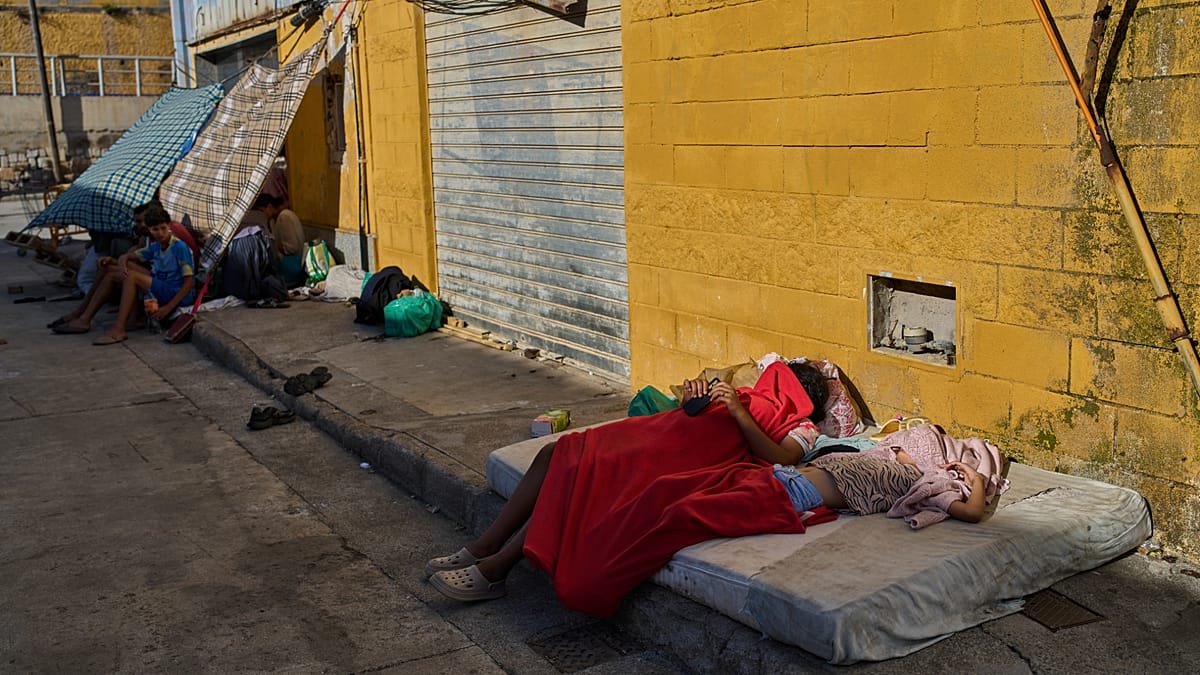
Ascaso noted that young girls under 14 years old frequently end up sleeping on the streets because local youth reception centers lack physical space.
“It’s not that they don’t want to take care of them, it’s that there is no room for them,” Ascaso explained, adding that the demographic makeup of recent arrivals heavily skews toward young adults, leaving vulnerable children without adequate housing.
Beyond trauma care, medical personnel face critical public health challenges. Doctors lack the capacity in emergency room settings to screen for potential epidemic-level illnesses such as tuberculosis or hepatitis. Furthermore, physicians are treating severe medical emergencies, including diabetic ketoacidosis and epileptic seizures, among migrants who lost access to their standard prescription medications during transit.
Community Mobilization in Sidi Embarek
In the makeshift settlement of Sidi Embarek, where approximately 300 people currently shelter, community leaders report parallel crises. Abdellah Mustafa, president of the local neighborhood association, stated that several underage girls have arrived at the camp in states of profound shock after experiencing sexual assaults in the surrounding mountains.
Because many survivors struggle to navigate the psychological trauma of reporting attacks to authorities, local residents took independent action. The neighborhood coalition mobilized a volunteer psychologist and a lawyer to accompany and support victims within the settlement.
Judicial sources confirmed that attentive local residents have intervened to prevent multiple attempted assaults, stopping several crimes before perpetrators could complete them. Meanwhile, the National Police opened a formal investigation into the sexual assault of a minor who entered Ceuta during the mass migration wave. Hospital examinations confirmed injuries consistent with an attack, though authorities have not yet announced any arrests.
Child Rights Warnings and Institutional Shifts
Child rights organizations have intensified warnings regarding the safety of minors stranded outside institutional protection networks. Jennifer Zuppiroli, a migration expert with Save the Children, emphasized that adolescent girls left alone and outside formal shelter systems face extreme vulnerability to human trafficking and sexual exploitation due to inadequate identification, housing, and accompaniment.
Institutional responses are shifting to address the crisis. The National Police prioritized young girls and children under the age of 13 during ongoing identification operations.
Sira Rego, Spain’s Minister of Youth and Children, acknowledged a distinct shift in the demographic profile of arriving minors, noting a significant increase in the number of young girls and very small children entering the city.
Medical professionals continue to press for systemic relief, calling for Ceuta to be officially designated as a zone of difficult healthcare coverage to secure necessary personnel reinforcements and specialized resources.
Worth a look