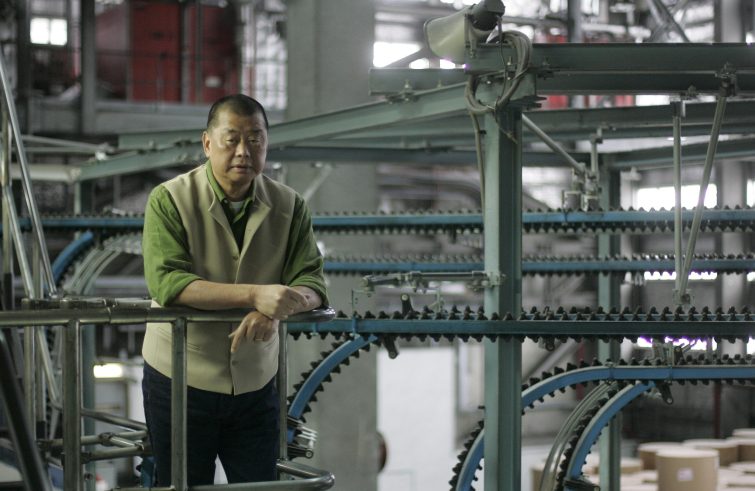
Jimmy Lai, the 78-year-old founder of the pro-democracy newspaper Apple Daily, faces imprisonment following his prosecution under Beijing-imposed security legislation in Hong Kong. According to reports regarding his 20-year sentence handed down in February, the prolonged detention of the British citizen and Catholic publisher has drawn international appeals from figures such as senior British religious leaders urging diplomatic intervention. Analysts and human rights advocates note that the case underscores a broader crackdown that has seen thousands of arrests and widespread emigration from the territory since the implementation of the National Security Law on July 1, 2020.
Drawing on international monitoring and commentary from religious and geopolitical analysts, this report examines the legal status of Jimmy Lai, the broader suppression of civil dissent in Hong Kong, and the shifting landscape for the city's residents under heightened mainland oversight.
Born in Canton, China, Lai arrived in the territory as a 15-year-old migrant, eventually establishing the Giordano clothing brand and later founding Apple Daily, which served as a prominent voice for political opposition. Following a personal conversion to Catholicism, Lai shifted significant resources toward supporting local democratic movements. Refusing opportunities to leave the city despite holding British citizenship, Lai chose to remain in Hong Kong following the enactment of the National Security Law in 2020, leading to his subsequent arrest and a 20-year prison sentence issued by a local court.
International Appeals and Diplomatic Response
The lengthy sentence imposed on Lai has prompted renewed diplomatic pressure from British officials. According to recent correspondence, senior English church leaders, including Bishop James Curry, who serves as the lead bishop for religious freedom for the Catholic Bishops’ Conference of England and Wales, wrote to government leadership urging active steps toward securing Lai’s release. Observers note that while Lai’s British citizenship provides a concrete legal foothold for such advocacy, his high-profile status as a publisher makes him a central symbol of broader political detentions in the region.
Supporters emphasize that while Lai’s Catholic faith heavily influenced his civic engagement, his imprisonment stems directly from his public advocacy for democratic reforms and freedom of expression rather than religious practice. Human rights monitors estimate that authorities have arrested more than thousands of individuals in connection with anti-government demonstrations, with over a thousand remaining behind bars or facing ongoing judicial proceedings.
Erosion of Public Protests and Mass Emigration
The political environment in Hong Kong shifted decisively following the implementation of the sweeping security legislation in mid-2020. The legal framework effectively dissolved non-pro-government political parties, independent labor unions, and grassroots organizations, while criminalizing public demonstrations. Annual gatherings such as the massive June 4 vigils commemorating the Tiananmen Square massacre were formally banned, removing public avenues for dissent.
Confronted with these restrictions, large numbers of residents have chosen to leave the territory. Official estimates and migration data indicate that roughly 200,000 individuals have relocated to the United Kingdom, driven in part by concerns over mandatory patriotic education curriculums implemented in local schools. This exodus has left the British public and government particularly attuned to developments in Hong Kong, even as broader European attention has largely waned.
The Future of Hong Kong’s Autonomy
The historical framework of “One Country, Two Systems,” originally championed by Chinese leader Deng Xiaoping to preserve Hong Kong’s capitalist economy, independent legal traditions, and civil liberties, has faced challenges. While the city’s population of approximately seven million continues daily economic and family routines, observers characterize the current environment as an uncertain middle ground or limbo.
Despite the suppression of political opposition, religious institutions and certain community structures retain limited autonomy, keeping the city culturally and socially active despite profound political shifts. International observers continue to monitor court hearings, appellate updates, and diplomatic statements regarding political detainees as indicators of the territory’s trajectory.
Readers are encouraged to share their perspectives or join the discussion in the comments section below for ongoing updates on international human rights developments.
Worth a look