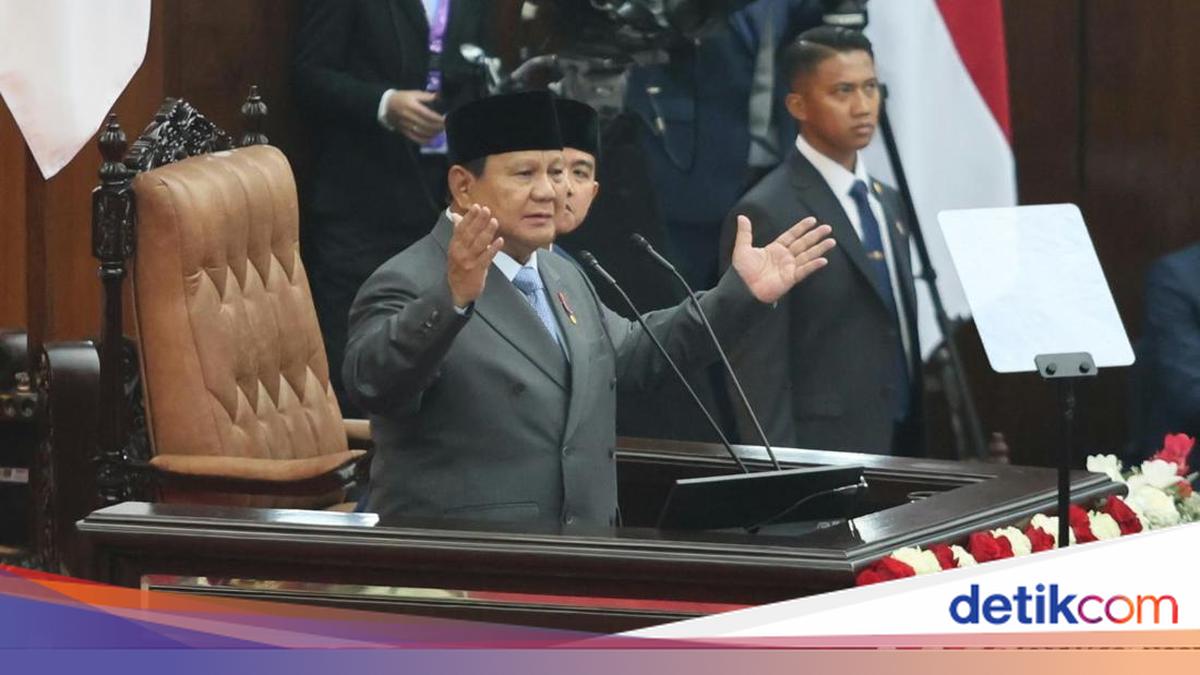
President Prabowo Subianto announced a sweeping national initiative aimed at accelerating public EV adoption, declaring that every locally built electric motorcycle hitting the streets delivers a triple economic victory for Indonesia. Speaking during the presentation of the 2027 State Budget Bill and Financial Notes at the parliamentary complex in Senayan, Jakarta, on Friday, August 14, 2026, the president detailed a major government push to reduce fossil fuel subsidies and scale up domestic manufacturing.
The core policy centers on the National Electric Motorcycle Ecosystem, known locally as Molinas, which officially launched on Thursday, August 13, 2026, at a production facility in Cikarang, West Java. According to statements delivered by Prabowo during the budget address reported by iNews.id, the administration will issue substantial financial incentives targeting domestic manufacturing firms capable of producing one million electric units locally.
This aggressive electrification strategy seeks to reshape the nation’s transportation sector while curbing costly energy imports. By pivoting away from traditional combustion engines toward localized electric mobility, Jakarta aims to secure structural savings for everyday households while building a robust domestic supply chain.
The Three Pillars of the Molinas Initiative
According to Prabowo’s remarks before the legislature, the Molinas policy was deliberately structured around three fundamental objectives designed to benefit both consumers and the broader economy. First, the policy aims to lower vehicle acquisition and operating costs, making modern electric mobility financially accessible to ordinary citizens. Second, transitioning away from petroleum products directly cuts down the country’s reliance on imported fuel, easing pressure on the national trade balance.
Third, the initiative targets the systematic expansion of the national electric motorcycle industry and its entire supply chain. As noted in coverage by SindoNews, this industrial footprint encompasses battery manufacturing, hardware component fabrication, software development, and comprehensive aftermarket support services.
Prabowo emphasized that Indonesia possesses nearly all the raw material elements required for electric vehicle battery production. By fostering domestic processing and assembly, the government intends to capture higher-value manufacturing stages within the country rather than exporting raw commodities.
Household Savings and Economic Impact
Addressing the direct financial impact on citizens, the administration estimates that families switching to domestically produced electric motorcycles will experience dramatic drops in monthly transportation expenditures. Official projections indicate that riders could pay up to 50 percent less—with potential savings reaching down to 30 percent of current expenses—compared to fueling traditional internal combustion engine motorbikes.

In his parliamentary address, Prabowo encapsulated the broader vision for the program: “Setiap motor listrik buatan anak-anak Indonesia yang berjalan di jalan raya adalah tiga kemenangan sekaligus. Pertama, penghematan bagi rakyat, penghematan bagi keluarga mereka… Lalu pengurangan impor energi dan lapangan pekerjaan bagi anak-anak Indonesia.”
Beyond household budgets, the rapid scaling of the domestic EV market is projected to generate substantial employment opportunities across manufacturing plants, component suppliers, and service networks, providing technical jobs for younger generations.
Production Milestones at Cikarang
The rollout follows the formal inauguration of the Molinas ecosystem on August 13, 2026, at the industrial hub in Cikarang, Bekasi Regency, West Java. The initial production phase is anchored by PT Ilectra Motor Group, known for its ALVA brand, operating under the broader private sector initiative spearheaded by PT Indika Energy Tbk.
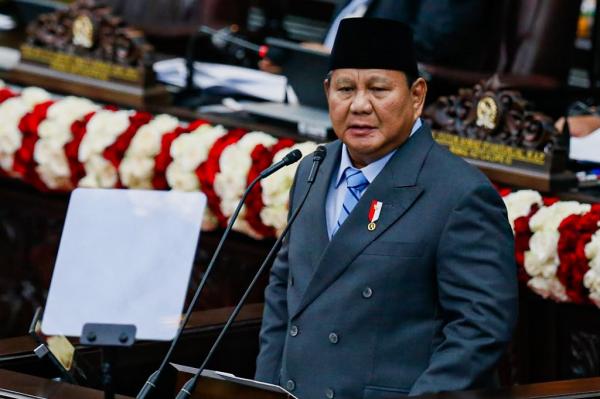
Current manufacturing figures show that 20 thousand electric motorcycles have already rolled off the assembly lines during this initial launch phase. Signaling strong executive backing for private industrial participation, Prabowo indicated his intention to return for future production milestones as facilities scale toward higher output targets, such as 200 thousand units.
Keep reading