A Spontaneous Natural Model for Human Oncology
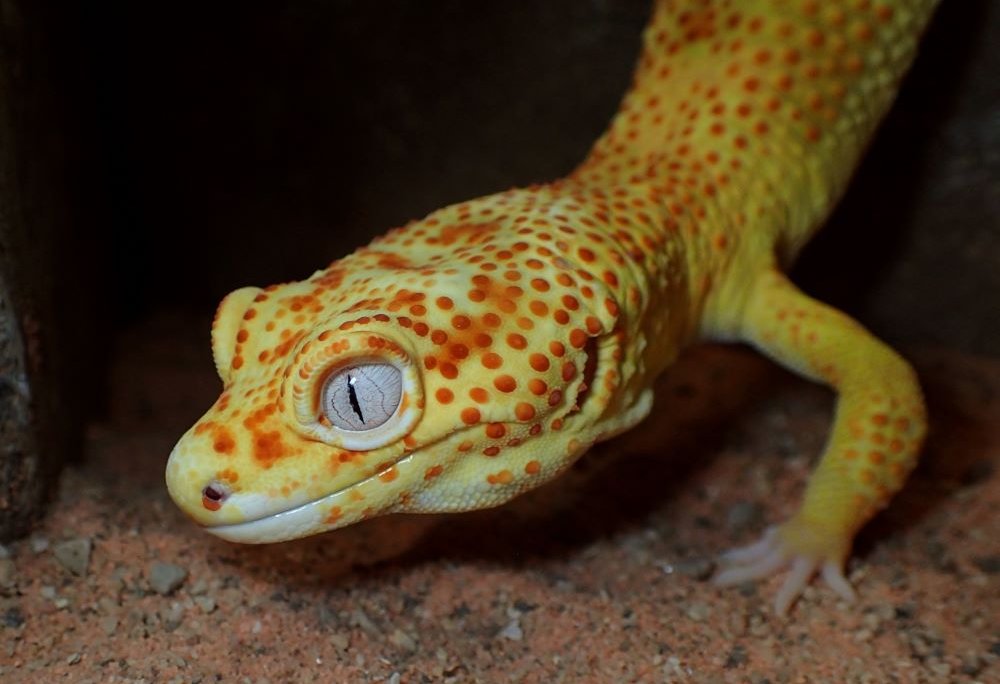
A pet gecko variety known as the lemon frost leopard gecko naturally develops malignant tumors that closely mirror human cancer development. Published in the international journal BMC Biology by scientists at the University of Nottingham, this unexpected natural disease model offers researchers a fresh perspective on how cancer forms, spreads, and interacts with surrounding tissue without requiring chemical induction or genetic modification.
The Cost of a Striking Silver-White Morph
The lemon frost leopard gecko has captured the attention of reptile hobbyists due to its striking silver-white coloration. However, researchers noted that this specific morph suffers from an exceptionally high tumor incidence rate. According to the study findings, approximately 80% of these geckos spontaneously develop a form of skin cancer known as iridophoroma, often appearing early in the animal’s life cycle.
Tracing the Mutation of the SPINT1 Gene
The mutation involves the SPINT1 gene, which functions as a vital tumor suppressor gene in humans. In the lemon frost gecko, this specific genetic alteration causes an overproliferation of iridophores—specialized pigment cells responsible for reflecting light and producing the prized silver-white coloration—ultimately leading to uncontrolled cell growth and tumor formation.
Evolutionary Parallels in Tumor Progression
When analyzing the tumors collected from these geckos, the University of Nottingham research team identified numerous chromosomal abnormalities and gene regulation imbalances that closely parallel human malignancies. Although geckos and humans are separated by vast evolutionary distances, the strategies utilized by their respective cancer cells exhibit striking similarities, suggesting that certain biological principles governing tumor progression remain conserved across species.
Traditional cancer research relies heavily on genetically engineered mice or chemically induced murine models, which often fail to replicate every aspect of spontaneous human tumorigenesis. In contrast, lemon frost leopard geckos develop cancer naturally in a standard environment without artificial intervention. This spontaneous disease progression allows investigators to monitor how cancer cells breach immune defenses and invade adjacent tissues in a manner that closely mimics real-world pathology.
Illuminating Early Warning Signals
While scientists continue to study cancer-resistant species such as elephants and naked mole-rats to understand natural defenses against malignancies, models like the lemon frost leopard gecko illuminate the opposite end of the spectrum. By providing a clear window into spontaneous tumor initiation and advancement, these unique pets may ultimately help researchers identify early warning signals and novel diagnostic pathways for human oncology.
Worth a look