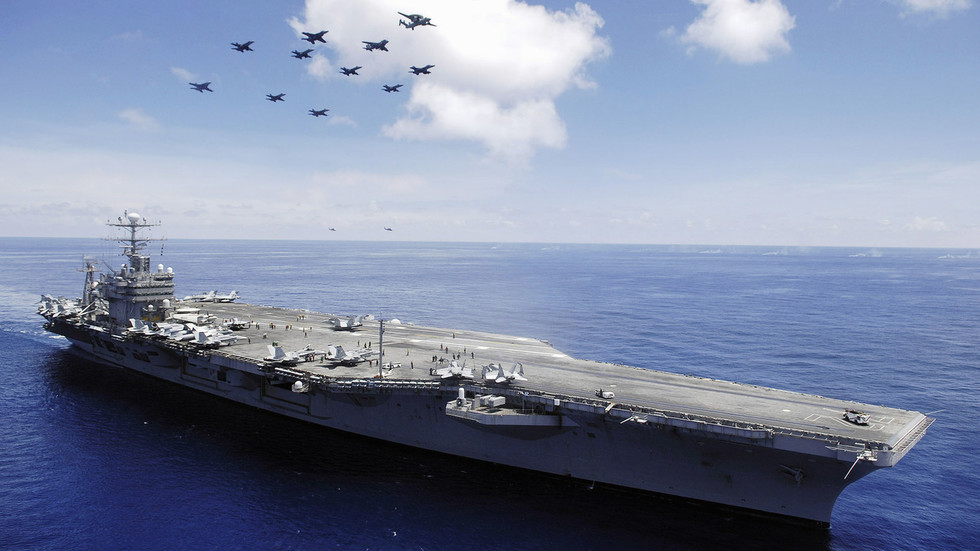
The USS Abraham Lincoln has been deployed for more than 260 days, including an extraordinary stretch of more than 200 consecutive days at sea, placing immense strain on its 5,000-person crew amid ongoing regional conflict, according to military reports.
Logistical Vulnerabilities in the 5th Fleet
Operating a capital warship deep within the US 5th Fleet area of operations has exposed critical vulnerabilities in naval logistics. According to a report by Maritime Executive, supply ships supporting the fleet often have to transit the Strait of Hormuz—a narrow and heavily contested waterway—raising the risk of regional security threats and disrupting regular deliveries. These logistical hurdles have translated into severe shortages of basic amenities for sailors onboard, ranging from toothpaste and soap to potable water, reliable laundry facilities, and functional plumbing.
Rations and Congressional Friction
Food provisions have emerged as a primary point of contention between lawmakers and defense officials. Democratic Congressman Mike Levin publicly claimed that the dietary situation for sailors had deteriorated to meals consisting of “half a cup of rice and two tortillas,” echoing early reports published by USA Today. While Pentagon leadership has pushed back against these accounts, text messages and family testimonies leaked to various media outlets depict a stark reality of depleted fresh food stores, with frozen meat remaining the primary surviving staple during lengthy supply runs.
Mental Health and Family Concerns
The physical fatigue and psychological toll of a prolonged deployment have also triggered intense concern among crew members’ relatives. On August 3, U.S. Central Command (CENTCOM) confirmed an incident where a sailor went overboard from the carrier and was subsequently recovered after approximately one hour in the water. According to CNN, the Navy classified the event as a mental-health episode, leading to medical evaluation and the sailor’s eventual removal from the vessel. Annabelle Loma, the serviceman’s wife, told Navy Times that her husband suffered from severe emotional exhaustion and feared career repercussions due to burnout.
Additional reports from Stars and Stripes highlighted similar messages from other spouses detailing extreme despondency among deployed personnel. Family members have warned that cumulative exhaustion among crew increases the risk of operational errors. Despite these warnings, the Navy told CNN that it had not observed a statistical increase in suicidal ideations or attempts aboard the ship.
High Combat Tempo and Oversight Demands
The operational tempo of the Abraham Lincoln has unfolded against a backdrop of persistent regional friction. CENTCOM records indicate that the carrier group supported roughly 10,000 aircraft flights and expended approximately 1.5 million pounds of ordnance during its mission. Tehran has repeatedly claimed to have targeted the vessel with ballistic missiles and drones throughout the campaign, though Washington has consistently rejected these assertions, maintaining that the ship remains fully functional.
Congressional oversight demands have intensified as lawmakers question the long-term sustainability of the Navy’s deployment cycles. Senator Richard Blumenthal, a member of the Senate Armed Services Committee, issued an open letter to Secretary of War Pete Hegseth expressing serious concerns over the extended timelines plaguing carrier strike groups. Blumenthal argued that such durations risk becoming a permanent fixture of naval force generation rather than an exception. Senator Ruben Gallego subsequently called for a bipartisan congressional oversight visit to assess conditions firsthand.
Defense Response and Relief Transit
Defense leadership has firmly defended the military’s logistical support framework. Secretary Hegseth dismissed reports regarding substandard living conditions and food shortages as completely misrepresented, stating that the Pentagon ensures every crew and captain receives all available resources. Meanwhile, the Associated Press reported that the USS George Washington has begun transiting toward the Middle East from Vietnam to relieve the Abraham Lincoln, a redeployment that will weaken the US footprint in the Pacific.
Official updates regarding the carrier’s rotation and congressional inquiries are expected as the USS George Washington completes its transit to relieve the fleet.
Worth a look