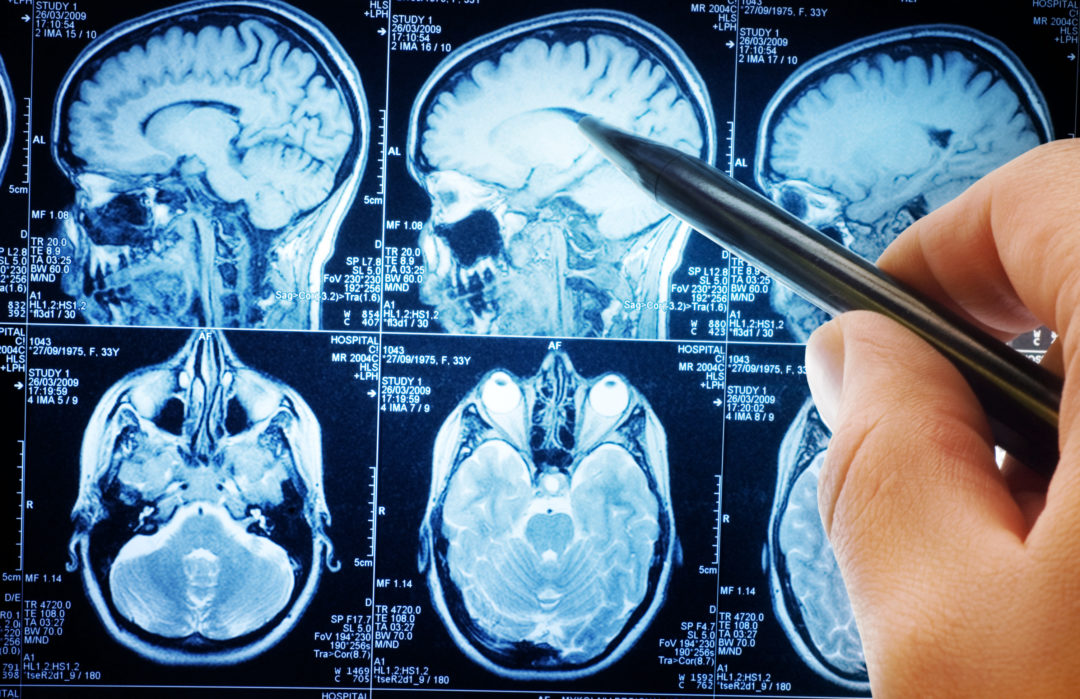
A Tripartite Circuit for Human Memory
Three key brain regions coordinate electrical signals during sleep to consolidate new memories. At the same time, abnormal electrical discharges in epilepsy patients disrupt this vital synchronization and impair memory performance, according to a collaborative research team involving the Kennedy Krieger Institute and Johns Hopkins Medicine.
Scientists have long sought to understand how the human brain preserves memories overnight. Published in the international journal PNAS, the study recorded the brain electrical activity of epilepsy patients during sleep. Researchers focused on how neural rhythms—such as neural oscillations, sleep spindles, and hippocampal ripples—interact across the orbitofrontal cortex, the thalamus, and the hippocampus. Stronger synchronization among these three distinct areas directly correlates with better memory performance in participants.
Capturing First-Ever Direct Human Evidence
This investigation provides the first direct human evidence linking nocturnal interactions between the orbitofrontal cortex, thalamus, and hippocampus to memory consolidation. Researchers analyzed complex brain wave recordings to uncover how these anatomical structures work in tandem during rest. However, the data also highlighted the fragility of this neural network.
When patients experience epileptic spike discharges, these abnormal electrical events interrupt the coordinated communication between the brain regions. The result is significantly poorer memory performance.
Mathematics Behind Intracranial Wave Monitoring
To process the massive volume of data generated by brain wave monitoring, the research team relied heavily on advanced mathematical and statistical frameworks.
Rigorous analytical tools are required to translate this complex biological data into clear, clinically meaningful patterns.
Rhythms, Disruptions, and Clinical Biomarkers
During normal human sleep cycles, the brain shifts into an active state of memory processing. The orchestration of this process depends on the precise timing of electrical ripples and oscillations moving between deep structures like the hippocampus and cortical regions. The study underscores that the integrity of these overlapping rhythms is essential for memory performance.
When epileptic discharges interfere with these rhythms, the brain fails to synchronize effectively. The research team observed a direct relationship between disruptive spikes and diminished memory performance in affected individuals.
By tracking how well the orbitofrontal cortex, thalamus, and hippocampus synchronize during sleep, medical professionals may soon be able to better identify, monitor, and manage memory-related complications tied to seizure disorders.
- Aprobada en EE.UU. la primera vacuna de ARNm contra la gripe para adultos mayores: así funciona y se diferencia de la tradicional
- Medical Malpractice Defense: Expert Legal Strategy for Medical Disputes & Litigation
- Prenatal Stress Linked to Altered Brain Networks in Toddlers (time.news)
- Does Sulfur Boost Soybean Yields? Illinois Research Findings (archynewsy.com)