Targeted Transport Overcomes Rural Barriers
The Instituto de las Mujeres en Tamaulipas and the UNEME DEDICAM in Ciudad Victoria have ramped up a coordinated public health initiative to expand early detection of breast cancer across the state, according to official state disclosures. Directed by general institute leadership, the program focuses on providing accessible diagnostic resources, including no-cost mammograms, to women throughout the region, with targeted logistical support bridging rural municipalities and specialized urban clinical centers.
During the month of July, the institutional partnership facilitated coordinated patient transport for 28 women originating from the municipalities of San Fernando, Jiménez, Padilla, and Jaumave, securing their direct transit to Ciudad Victoria for clinical evaluation, as reported by the Government of Tamaulipas.
Direct Leadership and Specialized Support
“Estamos trabajando para que más mujeres conozcan los servicios que tienen a su alcance y puedan acceder a una mastografía de manera oportuna,” said Marcia Benavides Villafranca, general director of the Instituto de las Mujeres en Tamaulipas, according to Optimus Informativo. She added that the network’s specialized support offices provide direct guidance and accompaniment so patients can easily navigate available healthcare options.
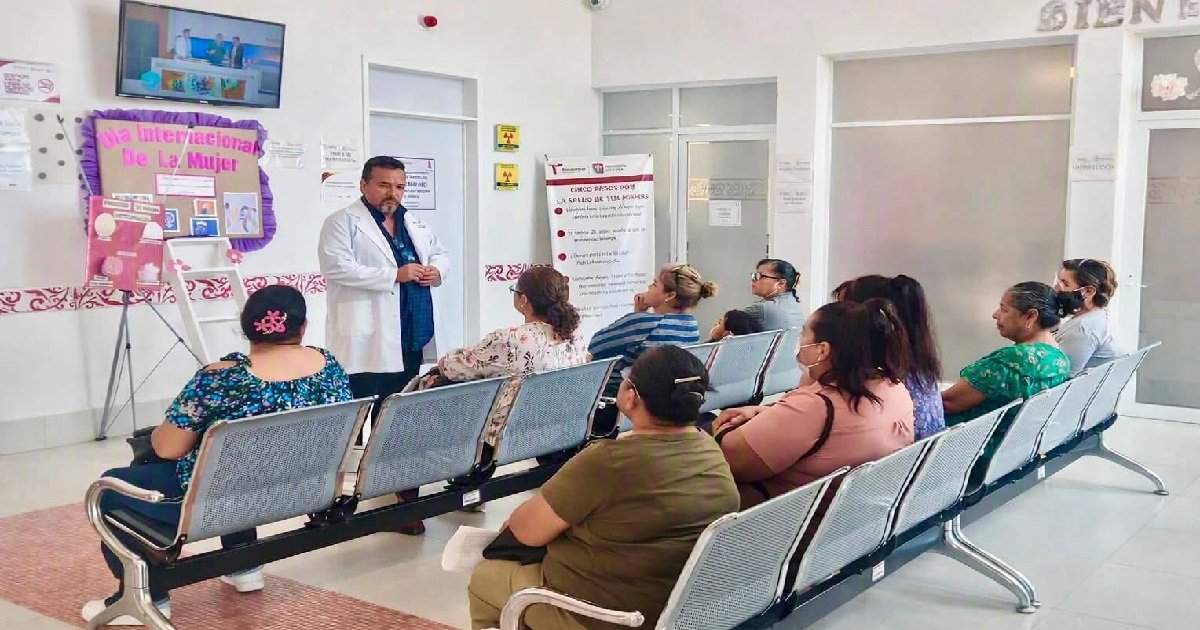
Clinical Guidelines and Age Parameters for Mammography
Standard diagnostic protocols under the state initiative prioritize screening for women aged 40 to 69. However, public health officials underscore that age restrictions do not serve as a hard barrier for individuals exhibiting clinical signs or heightened risk factors.
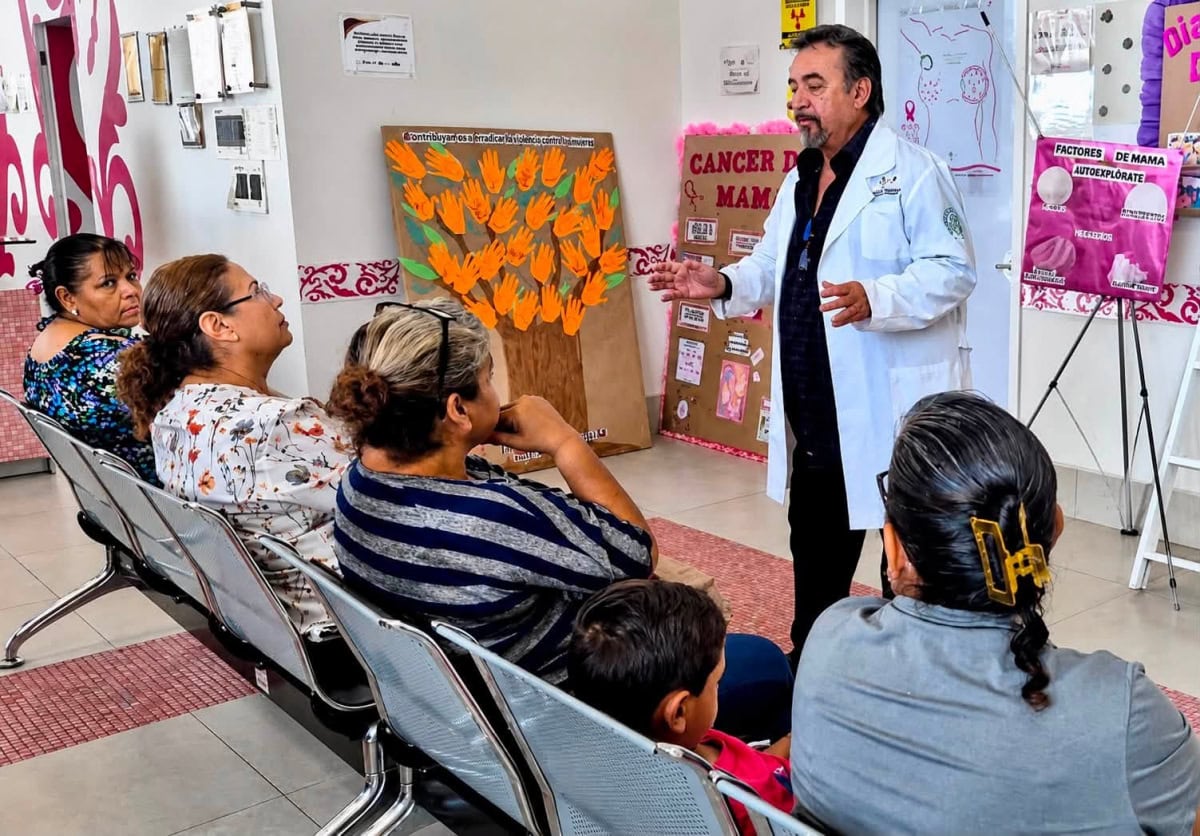
According to verified institutional documentation, women who present with any physical symptom or clinical suspicion of breast cancer receive individualized medical evaluations regardless of their age, allowing clinicians to determine immediate testing requirements outside standard demographic brackets. Medical personnel at both the state women’s institute and UNEME DEDICAM coordinate these diagnostic assessments to ensure timely intervention.
Expanding Access Through Regional Outreach Networks
The collaborative framework relies heavily on localized support hubs, known locally as Centros LIBRE, which function as community-facing navigation points. These centers provide informational campaigns, direct counseling, and logistical coordination for patients requiring clinical transit.
Public health administrators continue to encourage residents to directly contact either the Instituto de las Mujeres en Tamaulipas or the UNEME DEDICAM facility in Ciudad Victoria to schedule appointments and review preventive health resources.
Related reading