Blockbuster Turnout Across Sixty Cinemas
Hong Kong audiences packed over 60 cinemas on August 13, 2026, for the local release of Stephen Chow’s latest feature film, Shaolin Women’s Soccer (功夫女足). Yet many ticket-holders voiced immediate disappointment over the absence of a complete Cantonese voice track.
The film follows a massive theatrical run on the Chinese mainland that began on July 11, 2026. Box office returns there approached nearly 2.3 billion RMB, turning the project into a prominent summer blockbuster.
Strong Ticket Sales in Core Commercial Districts
In Hong Kong, Stephen Chow’s brand power drew immediate crowds for the territory’s wide release.
Ticketing data showed more than 60 theater locations scheduling over 270 screenings on opening day, with ticket prices ranging from 50 HKD to 200 HKD. Prime time slots across core commercial districts such as Tsim Sha Tsui, Causeway Bay, and Central sold out, while morning screenings in areas like Kowloon Bay and Fanling maintained only limited availability.
Audience Frustration Over the Missing Cantonese Track
Viewer reactions in local theaters highlighted a mix of strong enthusiasm and logistical frustration.
Speaking to local media outlets after a screening in Causeway Bay, a moviegoer identified as Mr. Ho noted that while the lack of a Cantonese track felt like a drawback, his daughter enjoyed the feature and laughed throughout the presentation.
Another attendee, Ms. Wong, stated she bought tickets based on Stephen Chow’s reputation, expressing disappointment over the lack of a Cantonese version while acknowledging that Chow’s comedy remains distinctive; though she noted it did not meet higher expectations when compared to his earlier work The Mermaid.
Stephen Chow and Lam Tze-chung Explain the Delay
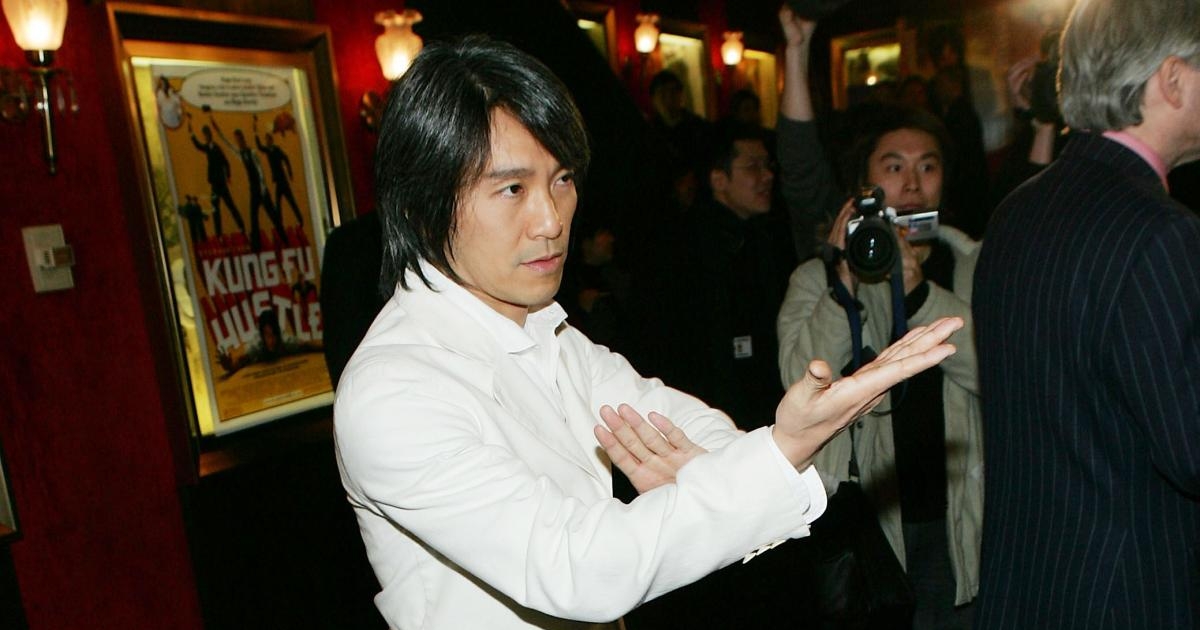
Addressing the language omission during an August 8, 2026, Hong Kong premiere attended by cast members Carina Lau and Dilraba Dilmurat, Stephen Chow explained that a last-minute schedule adjustment prevented the production team from finishing a Cantonese release version. To compensate local fans, he appeared in a post-credits Easter egg featuring his back turned to the camera while speaking Cantonese, which is exclusive to the Hong Kong version.
Lam Tze-chung elaborated that an unexpected acceleration of the Hong Kong theatrical window left the production with insufficient time to complete proper Cantonese dubbing. The production side promised that subsequent audio options would be gradually added and optimized.
Critical Divide and Veteran Endorsements
Industry figures offered endorsements despite the post-production hurdles. Hong Kong filmmaker Wong Jing publicly praised the film, calling it one of the best works Stephen Chow has made in the last decade and asserting that its martial arts action sequences do not lose to Shaolin Soccer.
Younger demographics also responded favorably. Z-generation viewers described the production as lighthearted, exciting, and well-suited for family audiences, noting that the combination of visual effects and an ensemble cast featuring Takeru Satoh and Dilraba Dilmurat delivered good entertainment value for ticket buyers.
At the same time, mainland critical reception showed a distinct divide. Supporters praised the picture for being very much in Stephen Chow’s style, with “no-nonsense” humor and that familiar feeling. Conversely, detractors criticized the heavy reliance on computer-generated imagery, arguing that certain visual elements appeared too artificial and lacked the grounded, measured, and artistic aesthetic found in the film Kung Fu.