When you check your heart rate mid-interval and realize your smartwatch has completely rotated around your wrist, or worse, lost skin contact entirely and logged your run as a sedentary stroll, the culprit is usually the stock band. Standard straps shipped in the watch box are built to look clean on a retail shelf and feel comfortable at a desk, but they often fall short during rigorous training sessions, according to recent gear testing from AOL.
For the past eight years, fitness and gear editors have evaluated countless watch bands through runs, heavy lifting sessions, pool workouts, and everyday wear.
Leather straps trap moisture, metal links can pinch arm hair, and basic silicone bands often lack breathability, trapping sweat directly against the skin. Swapping out these stock options for a purpose-built fitness strap ensures your device stays secure, no matter how intense your training gets.
Choosing the Right Material for Your Workout Style
The material of your watch band dictates how well it handles sweat, water immersion, and daily wear. Fluoroelastomer, a specialized synthetic rubber, manages sweat, chlorine, and UV exposure much better than standard silicone, according to fitness gear evaluations reported by AOL. Because it is stiffer than regular rubber, it holds the watch in place better.
FKM rubber offers another robust alternative within the same chemical family. It provides a softer and more flexible feel on the skin, which is ideal if you plan to wear your watch continuously long after your workout ends. Meanwhile, nylon weaves deliver exceptional breathability and a lightweight feel, though they absorb water and remain damp longer than synthetic rubbers.
For cross-training or mixed routines, braided polyester-silicone blends sit right in the middle. They offer flexibility and breathability with mild water resistance, though they remain unsuited for dedicated swimming sessions.
Closure Mechanisms and Secure Fit
Beyond material choice, the closure system dictates how quickly you can adjust a band mid-workout and how reliably it stays fastened. Pin-and-tuck closures utilize a low-profile tab that slides neatly into preset holes, leaving no loose ends to catch on gym equipment or clothing. However, their fit is limited to those pre-drilled positions.

Hook-and-loop systems offer adjustments, ensuring a snug fit that keeps optical heart rate sensors properly engaged against the skin.
Top Editor-Tested Options for Daily Training
Testing panels covering market options ranging from $15 budget picks to $99 diving bands note that alternative straps cater to diverse ecosystems, spanning Apple Watch variants as well as Garmin multisport watches. Editors highlight that options featuring specialized spacers, such as certain OtterBox designs, help tuck away excess strap length to prevent chafing and skin irritation during repetitive arm movements.
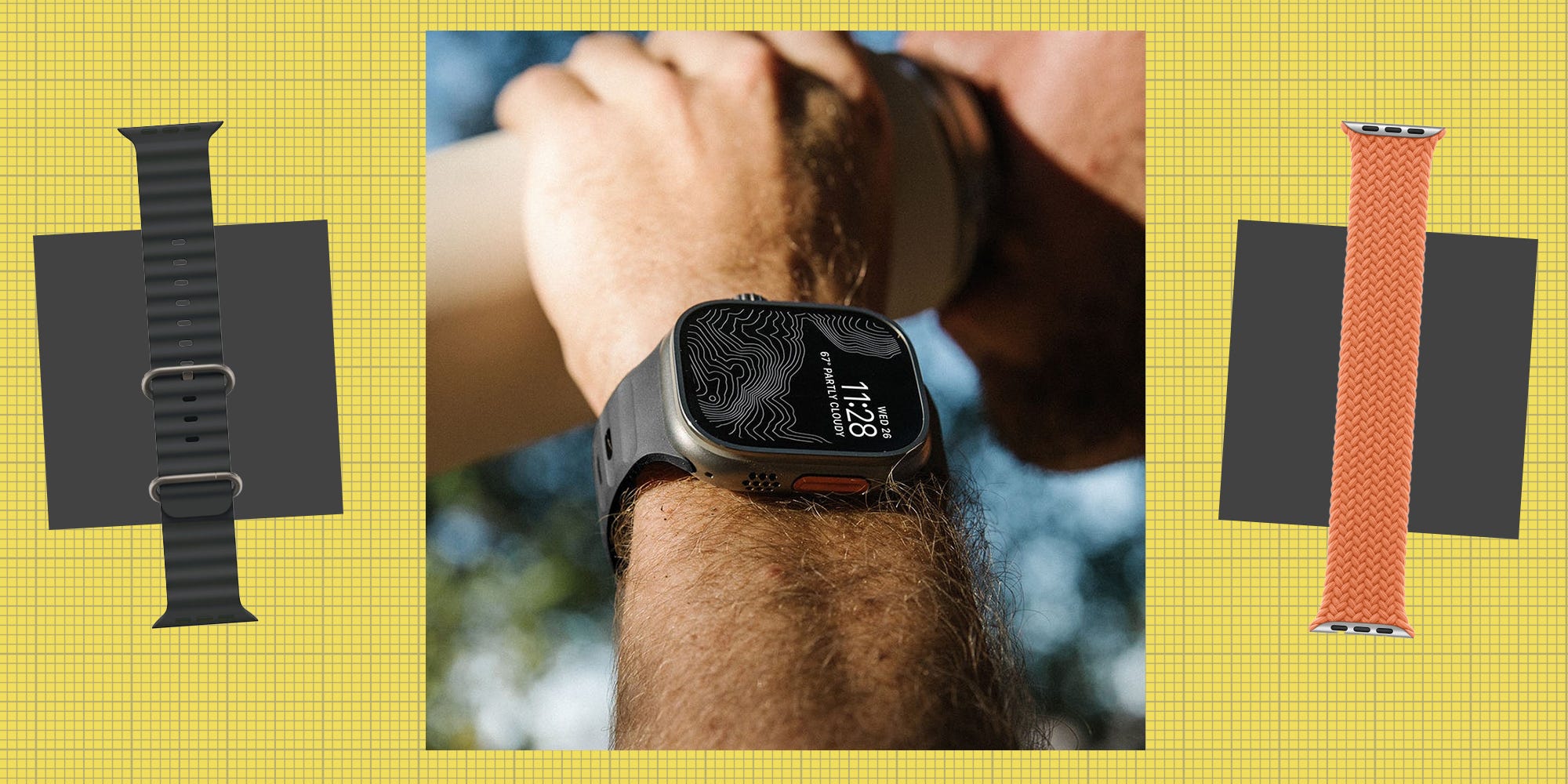
According to fitness reporting by Women’s Health UK, Lindsay Geller noted that soft, waterproof bands featuring speckled designs made from recycled materials offer a comfortable, secure fit that transitions seamlessly from heavy gym sessions to daily wear without causing rashes or chafing.
As manufacturers release updated accessory lines seasonally, checking material composition and closure security remains the most reliable path to upgrading your fitness tracking setup. Readers seeking specific model availability and sizing guides can consult manufacturer storefronts and official fitness gear roundups for current seasonal releases.
What watch band do you rely on for your daily training? Share your experiences and questions in the comments below.
Keep reading