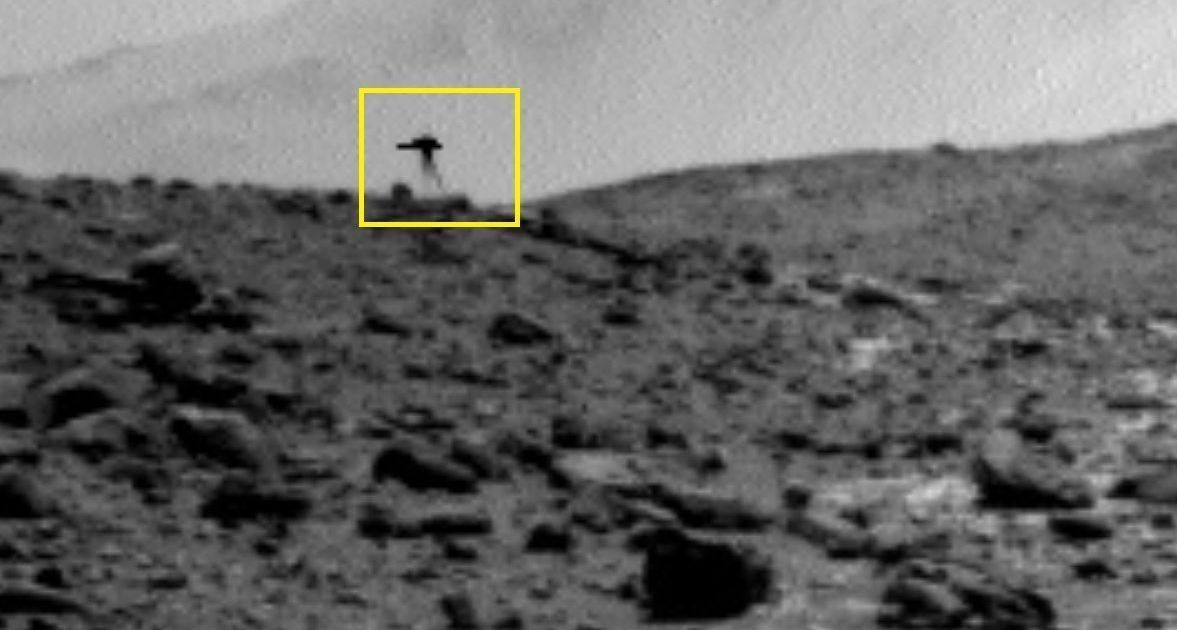
Curiosity Rover’s Navcam Captures Martian Oddity
Mars rover imaging has once again captured the internet’s imagination after a Navcam photograph revealed an unusual geological feature on the surface of the red planet. According to NASA, the panoramic picture recorded an oddly shaped rock formation in the left corner of the frame, triggering a fresh wave of online speculation regarding extraterrestrial life and ancient civilizations.
While internet discussions frequently lean toward science fiction when robotic explorers beam back unexpected vistas, space agencies and planetary scientists emphasize that no evidence of past or present life has ever been discovered on Mars. Instead, experts point to a well-documented psychological phenomenon known as pareidolia to explain why human observers consistently spot familiar shapes among barren planetary landscapes.
Inside Gale Crater’s Raw Telemetry Data
The image in question was captured by the right navigation camera aboard NASA’s Curiosity rover. As the robotic explorer traversed the Martian terrain, its panoramic lenses swept across rocky outcrops and dusty slopes, documenting the geological makeup of Gale Crater and its surrounding formations. Close examination of the raw telemetry data posted on public image archives quickly drew the attention of amateur astronomy enthusiasts, who shared crops of the anomaly across social media platforms.
From Floating Spoons to Wind-Worn Basalt
Social media reaction followed a familiar playbook, with commentators suggesting the silhouette resembled manufactured artifacts or biological remains. However, planetary geologists note that wind erosion, thermal fracturing, and impact cratering routinely sculpt Martian stones into bizarre, asymmetrical configurations. Over decades of robotic exploration—beginning with the Viking landers and continuing through Perseverance and Curiosity—NASA has cataloged numerous rocks that mimic earthly objects, ranging from floating spoons to animal-like silhouettes.
The Evolutionary Science Behind Pareidolia
Scientists attribute these recurring misidentifications to pareidolia, a neurological tendency that causes the human brain to perceive meaningful images, such as faces or familiar animals, in random visual patterns. This sensory shortcut developed as an evolutionary survival mechanism, allowing humans to quickly spot predators or other people in cluttered environments. When applied to high-resolution extraterrestrial landscapes filled with chaotic rock piles, that same perceptual machinery leads viewers to spot bears, statues, and mysterious entities where only wind-worn basalt exists.
Unlocking the True Geological History of Mars
NASA’s continuous transmission of raw camera data ensures that citizen scientists and space enthusiasts will likely continue finding peculiar formations in future panoramas. While these visual anomalies offer a compelling reminder of humanity’s appetite for discovery, researchers stress that the true value of the rover’s imagery lies in understanding the actual geological history of Mars rather than its accidental resemblances to Earth.
Worth a look