
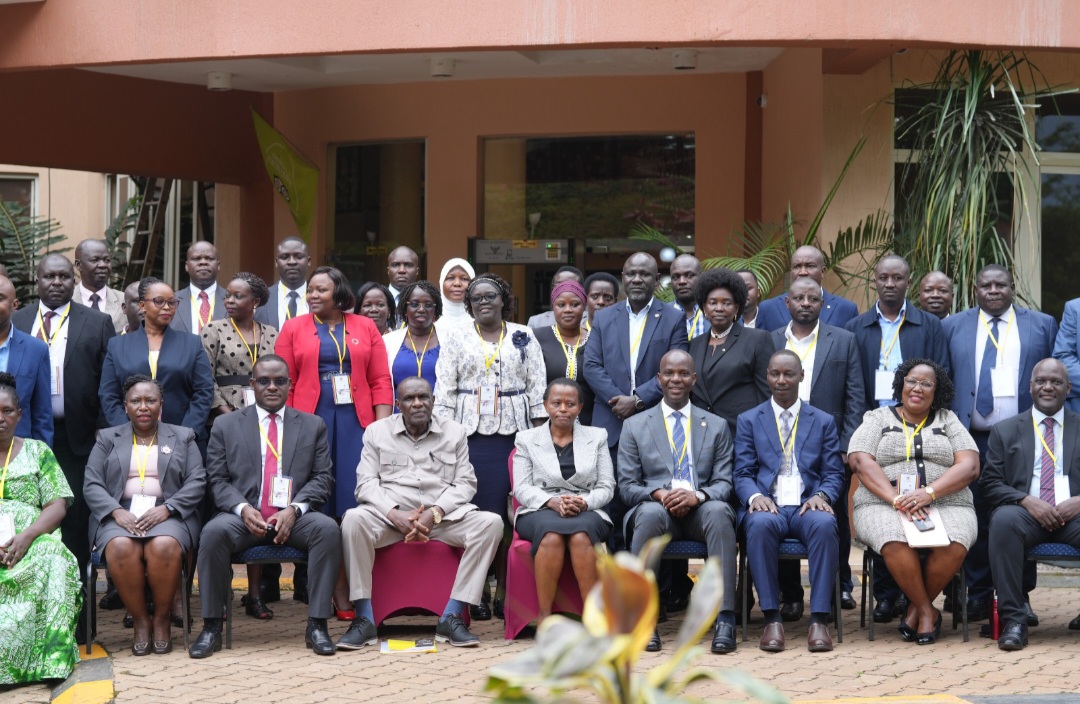
Strengthening Uganda’s Public Administration: A Call for Succession Planning, Integrity, and Capacity Building
The recent Public Administration Forum in uganda, featuring outgoing Head of the Public Service, Ms.Lucy Nakyobe, and prominent figures like Hajji Kakande, underscored critical issues facing the nation’s administrative cadre. The discussions highlighted a need for strategic succession planning, unwavering ethical conduct, and a renewed commitment to capacity building within the civil service – themes vital for sustained national development.As a long-time observer of public sector dynamics in developing economies, I’ve consistently seen the pivotal role a strong, well-managed administrative core plays in effective governance and service delivery. This forum’s emphasis on these key areas is a positive step, and deserves a deeper examination.
Gratitude and a Vision for the Future
Ms. Nakyobe, in her remarks, expressed deep gratitude for the support she received throughout her tenure. Her acknowledgement of this backing is a testament to the power of collaborative leadership. However, her most impactful statement centered on the future of the public service: a firm stance against extending contracts to retiring senior officers.
This is a crucial point. While experience is valuable, perpetually relying on seasoned veterans can stifle innovation and block the advancement of younger, capable individuals. A robust public service thrives on the infusion of fresh perspectives and the empowerment of the next generation. Ms. Nakyobe’s proposal to advise the President against contract renewals is a bold move that,if implemented,could unlock significant potential within the system. Its a clear signal that prioritizing internal growth and succession planning is paramount.
Protecting the Administrative Core & Recognizing Value
hajji Kakande’s contributions to the discussion were equally insightful. he rightly championed the preservation of the role of Undersecretaries – the backbone of administrative functions within ministries. His recounting of a previous attempt to shift responsibilities to Directors highlights the importance of safeguarding the integrity of established structures.
The administrative cadre, responsible for planning, finance, and day-to-day operations, deserves recognition and support. The recent salary enhancements for Undersecretaries and Commissioners are a welcome development. as Hajji Kakande pointed out, these improvements not only improve the quality of life for these dedicated public servants but also enable them to better support their families and contribute to the economy. Investing in the well-being of civil servants is an investment in the nation’s future.
the Imperative of Integrity and accountability
However, increased duty and financial security must be coupled with unwavering ethical standards. Hajji Kakande’s cautionary words regarding the misuse of power resonated deeply. He rightly emphasized that administrators are the “engine” of their respective ministries, wielding significant authority. this power must be exercised with logic, diligence, and, above all, integrity.
The fight against corruption, he stressed, begins with individual administrators.Transparency in procurement, financial management, and asset utilization is non-negotiable. Upholding the Public Service Standing Orders and the Ethical Code of Conduct isn’t merely a matter of compliance; it’s a essential obligation to the citizens of Uganda.
Moreover, the call for mentorship and capacity building is essential. Experienced administrators have a responsibility to nurture the next generation, sharing their knowledge and guiding them towards professionalism. building a “pipeline of capable administrators” is a long-term investment that will yield dividends for years to come.
A Collaborative Approach to Progress
Dr. Emmanuel Freddie Mugunga, Chairperson of the Public Administration Association of Uganda, highlighted the forum’s commitment to rotational learning and exposure. This approach,coupled with continued budgetary support from the Office of the Office,demonstrates a dedication to continuous advancement.
The pledge from administrative officers to serve with honesty and transparency is encouraging. The overall goal of the forum – to address challenges, share experiences, and learn from best practices – is precisely what’s needed to strengthen Uganda’s public administration.
Looking Ahead: A Call to Action
The discussions at this forum represent a critical juncture for Uganda’s public service. Implementing the proposed changes – prioritizing succession planning, safeguarding the administrative core, and reinforcing ethical standards – will require strong leadership, unwavering commitment, and a collaborative spirit.
The future of Uganda’s development hinges on a capable, ethical, and well-supported civil service. This forum has laid the groundwork for progress. Now, it’s time to translate these discussions into concrete action.
Have a story or opinion to share? Email us at [editorial@watchdoguganda.com](mailto:editorial@watchdoguganda


