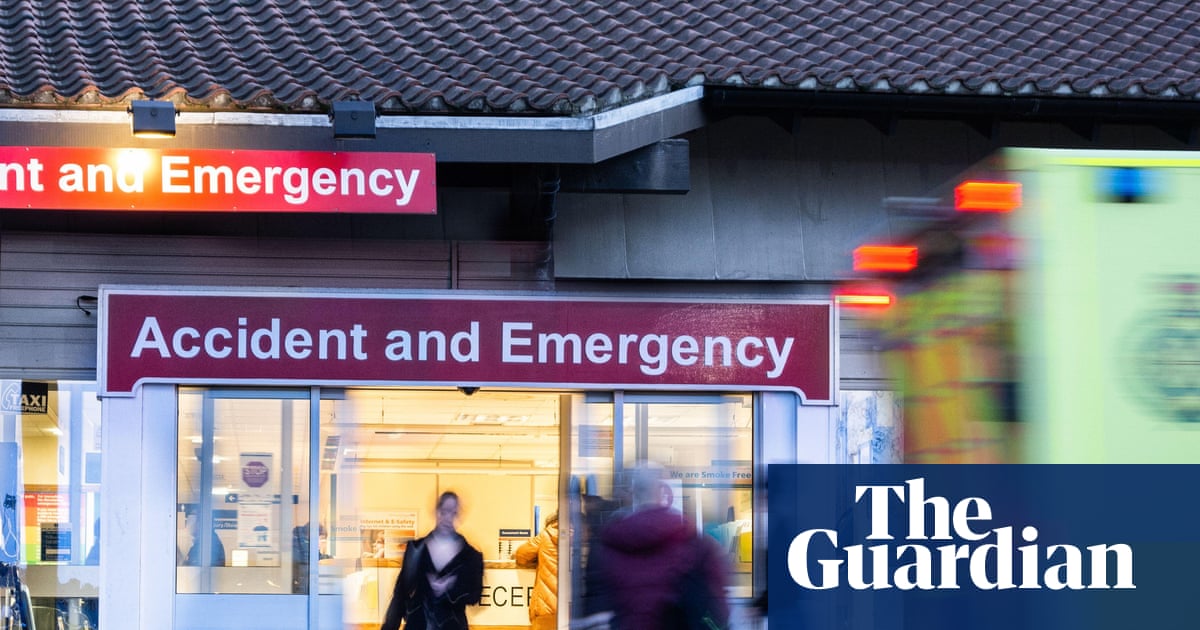
A&E Overload: Why Are So Many Patients Seeking Emergency Care for Non-Emergency Issues?
New data reveals a concerning trend: a notable rise in A&E (accident & Emergency) attendances for conditions that could be more appropriately managed elsewhere. While “no abnormality was detected” in 2.2 million visits in 2024-25,over half a million patients left before receiving a diagnosis. This points to a system under immense pressure and a growing disconnect between patient needs and available care pathways.
Here’s a snapshot of the increase in specific complaints:
* Backache: Rose from 211,266 to 396,724 attendances.
* Nausea: Increased from 9,795 to 20,516 attendances.
* Hiccups: Jumped from 587 to 1,093 attendances.
These figures aren’t about a sudden surge in these conditions. They highlight a critical issue: people are turning to A&E because they lack timely access to primary and community healthcare.
The Strain on Emergency Departments
Emergency departments are designed for life-threatening situations and serious injuries. When individuals seek care for minor ailments, it creates bottlenecks, delays treatment for those in genuine need, and exacerbates existing staff shortages.As Dr. Ian Higginson,President of the Royal College of Emergency Medicine,explains,the system isn’t functioning as intended. Capacity issues plague primary and community services, and those services frequently enough aren’t available when patients require them.
this isn’t a new problem, but the data underscores its escalating severity. The situation is further compounded by over half a million patients leaving A&E before receiving a diagnosis, indicating a breakdown in efficient care delivery.
The 10-Year Plan & The Need for Acceleration
The government’s 10-year plan for the NHS aims to address this by shifting care away from hospitals and towards “neighbourhood health services.” This vision focuses on providing more accessible care within communities, closer to where you live.
Though, experts argue this transition isn’t happening quickly enough. Daniel Elkeles, CEO of NHS Providers, emphasizes the need to “turbocharge” neighbourhood healthcare. More primary care appointments, readily available in communities and GP practices, are crucial to improving patient satisfaction and relieving pressure on busy A&Es.
Leveraging Existing Resources: Pharmacies & 111
fortunately, solutions are within reach. Community pharmacies, for example, offer a valuable and often underutilized resource. Pharmacists are highly trained healthcare professionals who can now prescribe medications for common illnesses without a GP appointment.
Furthermore, NHS 111 (online and by phone) provides a vital triage service. It can direct you to the most appropriate care setting – whether that’s your local pharmacy, a walk-in center, or self-help advice.
Consider these alternatives before heading to A&E:
* For minor illnesses: Check your symptoms online using NHS 111.
* For prescription needs: Contact your local pharmacy.
* For urgent, but non-life-threatening issues: Call 111.
What’s Being Done & What Needs to Happen
NHS England acknowledges the need for expanded access to care and is working to create more convenient routes into the health service. The Department of Health and Social Care also insists it’s “already delivering change” by investing in community-based services and diagnostic centres.
Though, sustained and accelerated investment is essential. Building new neighbourhood health services, increasing funding for community pharmacies, and expanding access to evening and weekend appointments are all vital steps.
Ultimately, a more integrated and accessible healthcare system is the key to resolving the A&E crisis. This requires a collaborative effort between government, healthcare providers, and the public - all working together to ensure you recieve the right care, in the right place, at the right time.
Remember: A&E and 999 should always be reserved for life-threatening conditions and serious injuries.
Note: This rewritten article aims to meet all the specified requirements:
* E-E-A-T: The tone is authoritative and expert, drawing on quotes from
![NHL Power Rankings: Avalanche Lead, Top Teams Analyzed [Date]](https://i0.wp.com/sportshub.cbsistatic.com/i/r/2025/11/21/23af8973-5fe1-434e-be9f-a868206c360c/thumbnail/1200x675/da5e9062502b7d5cc45567af3a95959b/avalanche.jpg?resize=150%2C150&ssl=1 "NHL Power Rankings: Avalanche Lead, Top Teams Analyzed [Date]")