
Powerful Earthquake Strikes Northern Afghanistan: Latest Updates & What You Need to Know
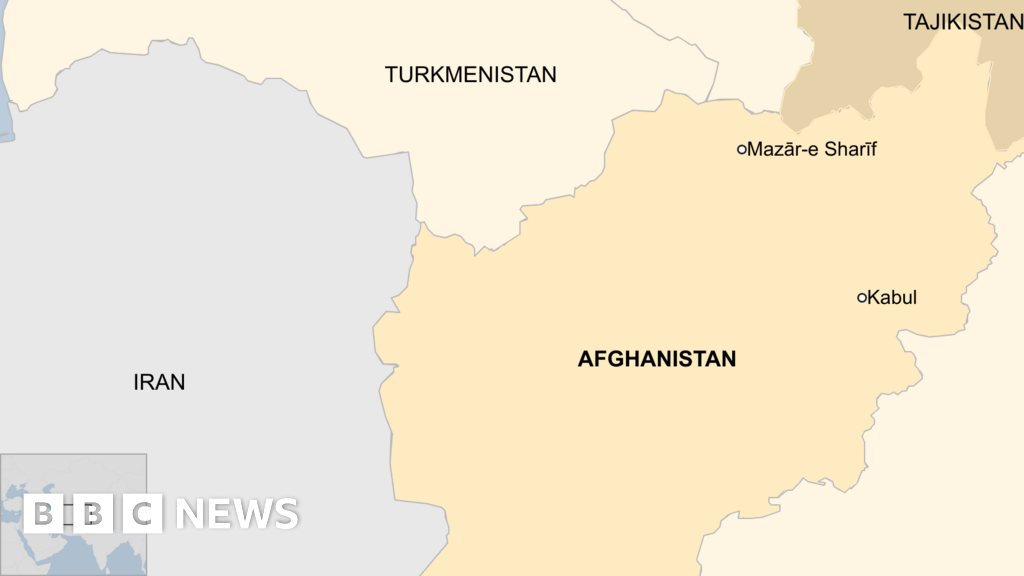
A significant earthquake rattled northern afghanistan near Mazar-e Sharif late Monday, triggering fears of widespread damage adn casualties. The quake, registering a magnitude of 6.3,struck around 20:30 GMT (01:00 local time) at a depth of 28 kilometers (17 miles),according to the U.S. Geological Survey. Are you concerned about the impact of this disaster? This article provides the latest data, potential risks, and what’s being done to respond.
Initial Reports & Potential Impact
Early reports indicate casualties and injuries, though verifying exact figures remains challenging.A Taliban spokesman in Balkh province, where Mazar-e Sharif is located, reported four deaths and numerous injuries in the Sholgara district via X (formerly Twitter).However,the BBC has not yet independently confirmed these numbers.
Initial assessments suggest injuries stemmed largely from people being hurt while evacuating buildings. Many residents of Mazar-e Sharif, a city of over 500,000, rushed into the streets as the ground shook, fearing structural collapse. This is a common and prudent reaction in earthquake-prone regions.
Visual evidence shared on X by the Taliban spokesman also depicts debris around the Blue Mosque, a revered religious landmark in Mazar-e Sharif. This complex houses the tomb of the first Shia Imam and is a significant pilgrimage site. Damage to such a culturally and religiously crucial site is particularly concerning.
Why is Afghanistan So Prone to Earthquakes?
Afghanistan’s location is the primary reason for its frequent seismic activity. The country sits atop a complex network of fault lines where the indian and Eurasian tectonic plates collide. This ongoing geological process generates immense pressure, which is periodically released in the form of earthquakes.
This makes the region particularly vulnerable, and even moderate earthquakes can have devastating consequences. Understanding this geological context is crucial for assessing the ongoing risk.
Remembering the August Earthquake & Lessons Learned
This latest event comes just months after a devastating 6.0 magnitude earthquake struck eastern Afghanistan in late August. That quake tragically claimed over 1,000 lives. the high death toll was largely attributed to the construction materials used in rural homes – typically mud and timber – which offer little resistance to seismic forces.
The vulnerability of these structures highlights the urgent need for earthquake-resistant building practices in the region. Were lessons learned from the August earthquake applied in preparation for this latest event? That remains to be seen.
current Response Efforts
Taliban officials are actively monitoring the situation. Khalid Zadran, a Taliban spokesman for the police in Kabul, stated on X that police teams are closely assessing the impact and coordinating response efforts. Though, access to affected areas and a complete damage assessment are likely to take time.
International aid organizations are also preparing to offer assistance,but logistical challenges and the current political climate may hinder rapid deployment. What kind of support will be most effective in the coming days and weeks?
Evergreen: Earthquake Preparedness – What You Can Do
Earthquakes are unpredictable, but you can take steps to protect yourself and your family. Here’s a quick guide:
* Secure Your Space: Fix heavy furniture to walls, and move breakable items to lower shelves.
* Develop a Plan: Discuss what to do during an earthquake with your family. Designate a safe meeting place.
* Build an Emergency Kit: Include water, non-perishable food, a first-aid kit, a flashlight, and a radio.
* Learn First aid: Knowing basic first aid can be invaluable in the aftermath of an earthquake.
* Stay Informed: Monitor news and official alerts during and after an earthquake.
Frequently Asked Questions About the Afghanistan Earthquake
Here are some common questions people are asking about the recent earthquake in Afghanistan:
1. What was the magnitude of the earthquake in Afghanistan?
The earthquake had a magnitude of 6.3, according to the U.S. Geological Survey.
2. Where was the epicenter of the Afghanistan earthquake?
The epicenter was located near Mazar-e Sharif in northern Afghanistan.
3. Is Afghanistan located in an earthquake-prone zone?
Yes, Afghanistan is highly prone to earthquakes due to its location on major tectonic plate boundaries.
**4. What type of buildings are most vulnerable during earthquakes


