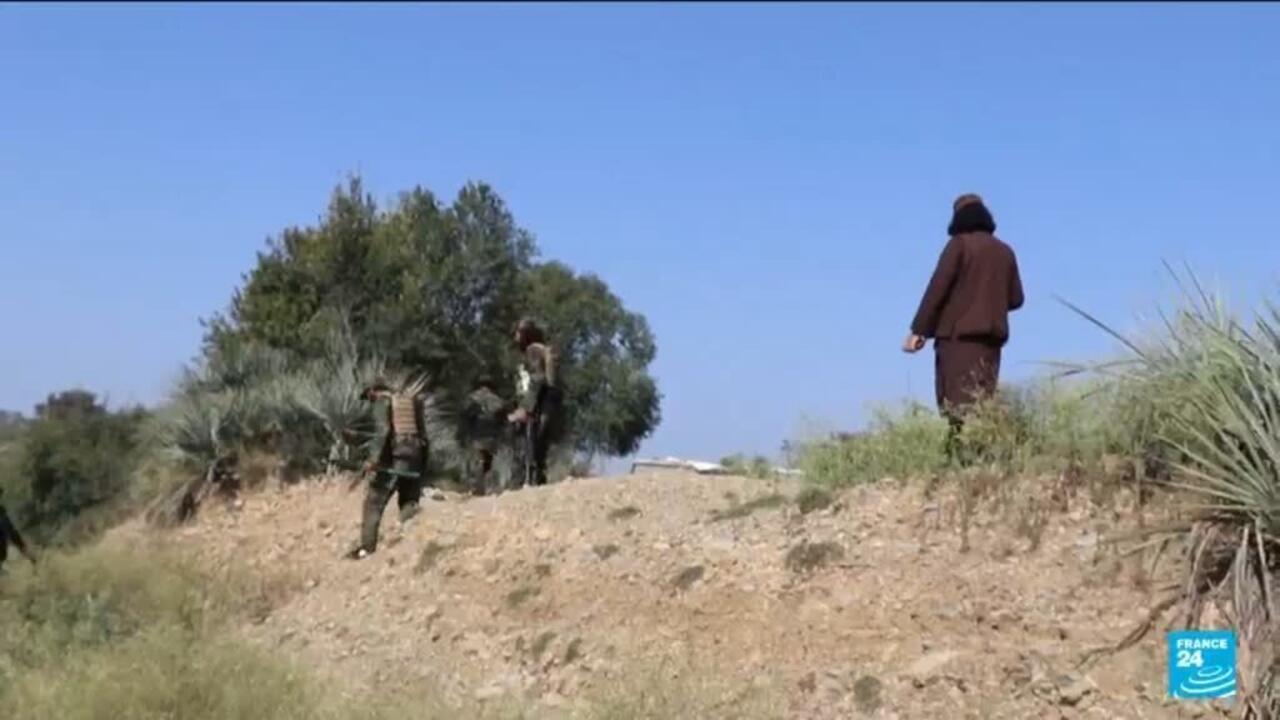
Escalating Tensions: Understanding the Recent Clashes Between Afghanistan and Pakistan
Have you been following the concerning developments along the Afghanistan-Pakistan border? Recent reports detail a meaningful escalation in hostilities, with both nations claiming to have inflicted heavy casualties on each other’s forces. This isn’t simply a localized skirmish; it represents a hazardous turn in a historically fraught relationship. Understanding the root causes and potential consequences of these clashes is crucial for anyone following regional security. This article will delve into the details of the recent conflict,explore the underlying issues,and offer insights into what the future might hold.
The Immediate Trigger: Retaliation and Counter-retaliation
Reports surfaced on Sunday indicating that dozens of troops from both Afghanistan and Pakistan were killed during intense overnight border clashes. Afghanistan’s Taliban forces initiated attacks on Pakistani troops late Saturday, framing the action as “retaliation for air strikes carried out by the pakistani army on kabul” earlier that Thursday. These strikes, allegedly targeting militant groups, ignited the current cycle of violence.
Pakistan maintains its actions were necessary to address the growing threat of cross-border terrorism emanating from Afghanistan.This claim highlights a long-standing point of contention between the two countries – Pakistan’s accusations that Afghanistan harbors groups like the Tehrik-i-Taliban Pakistan (TTP), also known as the Pakistani Taliban. The TTP has claimed obligation for numerous attacks within Pakistan, further fueling tensions.
A History of Border Disputes and Mistrust
The Durand Line, the 2,670-kilometer border separating Afghanistan and Pakistan, is at the heart of much of the conflict. Established in 1893 during British rule, Afghanistan has never formally recognized the Durand Line, viewing it as an imposition by a colonial power. This disagreement forms a foundational layer of mistrust.
Moreover, accusations of interference in each other’s internal affairs have long plagued the relationship. Pakistan has historically been accused of supporting the Taliban, while Afghanistan has alleged Pakistani support for insurgent groups operating within its borders. These reciprocal accusations create a volatile environment ripe for conflict.
The Rising Threat of Cross-Border Terrorism
Recent data from the Institute for Economics & Peace’s 2023 Global Terrorism Index shows a concerning trend: a resurgence of terrorist activity in both Afghanistan and Pakistan. Specifically, deaths from terrorism in Afghanistan increased by 61% between 2022 and 2023. This increase is directly linked to the activities of groups like ISIS-K and, crucially, the TTP.
Pakistan’s concerns about the TTP are particularly acute. A report by the United Nations Security Council’s Analytical Support and Sanctions Monitoring Team, released in February 2024, estimates the TTP has between 6,000 and 10,000 fighters operating from Afghanistan. This presence poses a significant security threat to Pakistan.
What Does This Mean for Regional Stability?
The escalating clashes have far-reaching implications. Beyond the immediate human cost, the conflict risks destabilizing the entire region. Increased tensions could lead to a wider conflict, drawing in other regional actors. It also complicates efforts to address other pressing issues, such as the humanitarian crisis in Afghanistan and the ongoing threat of terrorism.
Here are some potential consequences:
* Increased Refugee Flows: further conflict could trigger a new wave of refugees fleeing both countries.
* Disrupted Trade: Border closures and insecurity will disrupt vital trade routes.
* Regional Proxy Conflicts: The situation could become a proxy battleground for regional powers.
* hindered Counterterrorism Efforts: Cooperation on counterterrorism will likely be hampered.
Practical Steps towards De-escalation
What can be done to prevent further escalation? A multi-pronged approach is essential.
- Dialog: Immediate and sustained dialogue between afghanistan and Pakistan is paramount. This dialogue must address the core issues of border security, counterterrorism cooperation, and mutual respect for sovereignty.
- Confidence-Building Measures: Implementing confidence-building measures, such as joint patrols and information sharing, can help reduce