The Escalating Crisis in Afghanistan: A Four-year descent and What It Means for the World
Four years after the Taliban‘s resurgence, Afghanistan is facing a humanitarian and human rights catastrophe of immense proportions. The situation isn’t simply a regional concern; it’s a global challenge demanding urgent and coordinated action. As someone who has followed the developments in Afghanistan closely,witnessing the unraveling of progress and the deepening suffering,I want to lay out the stark realities and what needs to be done.This isn’t just about statistics; it’s about the lives of millions.It’s about the future of a nation and the potential for instability that ripples far beyond its borders.Let’s break down the key factors driving this crisis.
The Wave of Forced Displacement: A Regional and Global Problem
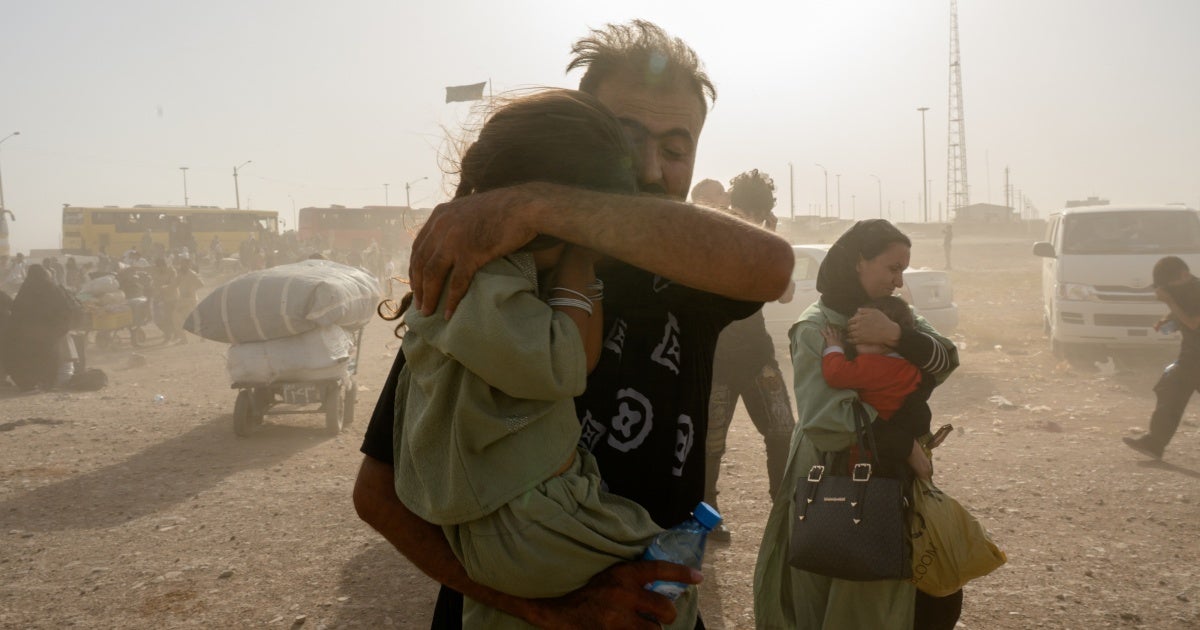
The immediate situation is dire. Neighboring countries, Iran and Pakistan, have collectively expelled nearly two million Afghans in recent crackdowns on immigrants and refugees.This isn’t a new influx of people fleeing recent conflict; many of those being deported have lived outside Afghanistan for decades, even their entire lives.
This mass expulsion is happening despite the very real fears of persecution that drove many to seek refuge in the frist place following the taliban takeover. The returnees are adding immense strain to an already overwhelmed Afghanistan, exacerbating internal displacement and crippling humanitarian efforts.Beyond the region, the picture is equally troubling:
Germany: Resumed deportations to Afghanistan in July, signaling a shift in policy.
United States: The previous governance dramatically curtailed support for Afghan nationals through a series of actions:
Termination of Temporary Protected Status (TPS).
Severe restrictions on the humanitarian parole program.
Indefinite suspension of refugee admissions.
Inclusion of Afghanistan on travel ban lists, leading to deportations – even to third countries. The core issue? Forcibly returning individuals to a country facing such instability and human rights abuses is a violation of international norms and a betrayal of those who sought refuge.
Silencing Voices: The Suppression of Media Freedom
The Taliban’s control extends beyond physical security. They’ve implemented draconian regulations on the media, effectively stifling dissent and limiting access to facts. Strict censorship: Prohibitions on images of people and vague restrictions against anything deemed contrary to Islamic principles are commonplace.
Self-censorship: Journalists are increasingly forced to self-censor to avoid retaliation, creating a chilling effect on independent reporting.
The result? A lack of transparency and accountability, allowing abuses to occur unchecked. You deserve to know what’s happening on the ground, and the Taliban are actively working to prevent that.
The Devastating Impact of Aid Cuts: A Humanitarian Catastrophe Unfolding
Perhaps the most meaningful driver of the crisis is the drastic reduction in international aid. The Trump administration’s cuts to US aid programs – which previously constituted over 40% of Afghanistan’s humanitarian assistance – have had a catastrophic impact.
Here’s what’s happening as a direct result:
Food Insecurity: Approximately 23 million Afghans – half the population – now require food aid. The cuts have disproportionately harmed women and girls, who are often the first to suffer during times of scarcity.
Healthcare Collapse: Over 400 health facilities have closed due to lack of funding, severely limiting access to essential medical care.
Education Crisis: Critical online education programs for girls and women, a lifeline for continued learning, are jeopardized.
Malnutrition: The loss of aid is exacerbating malnutrition, particularly among children, with long-term consequences for their health and progress.
What Needs to Happen Now? A Path Forward
The situation in afghanistan demands a multifaceted response.It’s not enough to simply acknowledge the crisis; we need concrete action. Increased Humanitarian Aid: Donor governments must urgently increase funding for humanitarian assistance, ensuring aid reaches those who need it most.
Protecting Afghan Refugees: No country should forcibly return Afghans to a situation where their lives and safety are at risk. Refugee status should be granted and protected.
Diplomatic Pressure: Governments must continue to press the Taliban to end their abuses, uphold human rights, and allow for a more inclusive and representative government.
Supporting Civil Society: Funding and support for