
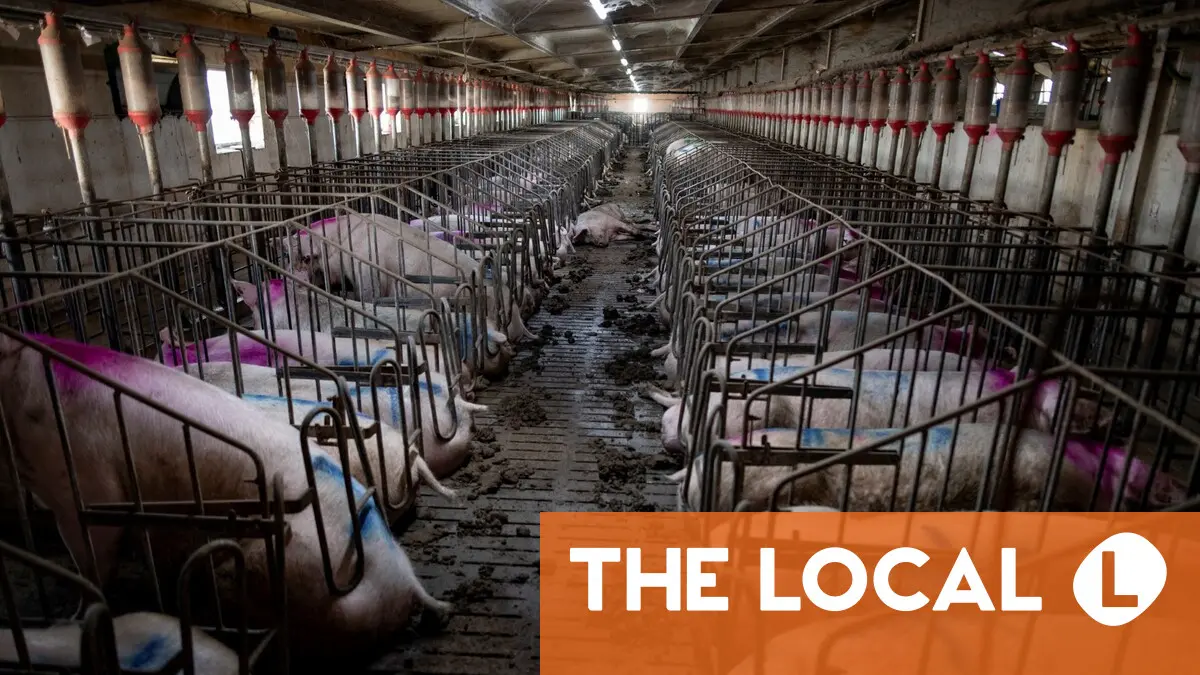
African Swine Fever in Spain: Protecting the Pork Industry & Global Supply
The recent confirmation of African Swine Fever (ASF) in wild boars in Catalonia, Spain, marks the country’s first outbreak in over three decades. While posing no threat to human health, this highly contagious and often fatal disease for pigs has triggered immediate concern for Spain – a global powerhouse in pork production. This article delves into the implications of this outbreak, the measures being taken, and what it means for the future of the Spanish and international pork markets.
Is this outbreak a temporary setback, or a sign of a larger, more persistent threat to the global pork supply? Let’s explore.
Understanding the Threat: African Swine Fever Explained
African Swine Fever isn’t related to the more commonly known swine influenza (swine flu). It’s caused by a virus that affects domestic and wild pigs, leading to high mortality rates – often reaching 100%. The virus is incredibly resilient and can survive for extended periods in various environments,including contaminated feed,water,and even pig products.
did You Know? ASF has been spreading across Europe for years, impacting countries like Poland, Germany, and the baltic states. This recent outbreak in Spain highlights the ongoing challenge of controlling the disease.
The economic consequences of ASF are significant. Beyond the direct loss of livestock, outbreaks lead to trade restrictions, increased biosecurity costs, and a decline in consumer confidence.Spain,currently the world’s third-largest producer of pork and pork derivatives,exports approximately three million tonnes annually to over 100 countries. The immediate impact has already been felt, with roughly a third of those importing nations temporarily suspending Spanish pork imports as a precautionary measure. Mexico, a key trading partner, was among the first to implement this suspension.
Spain’s Response: Containment and Control
The spanish government, led by Agriculture Minister Luis Planas, is prioritizing containment and eradication.The focus is on minimizing the economic fallout for the agricultural sector. Current measures include:
* Establishing Control Perimeters: Regional authorities in Catalonia have established two zones around the affected areas, restricting movement and outdoor activities.
* Enhanced Surveillance: Intensive monitoring of both wild boar and domestic pig populations is underway to identify and isolate any further cases.
* Biosecurity Protocols: Strengthening biosecurity measures on farms, including stricter hygiene standards and movement controls, is crucial.
* Culling (Potential): While not currently implemented, culling of infected and perhaps exposed animals may be considered to prevent further spread.
Pro tip: Farmers should review and reinforce their biosecurity protocols now. This includes controlling access to farms, disinfecting vehicles and equipment, and ensuring proper waste management. Resources from the European Food safety Authority (EFSA) provide detailed guidance.
But is this enough? The spread of ASF through wild boar populations presents a unique challenge, as controlling the movement of these animals is significantly more challenging than managing domestic herds.
Impact on the Global Pork Market: A Comparative look
The Spanish outbreak adds to existing pressures on the global pork market. Here’s a speedy comparison:
| Country | ASF Status (Nov 2023) | Pork Production Rank (Global) | Key Export Markets |
|---|---|---|---|
| spain | Outbreak Confirmed (Catalonia) | 3rd | China, France, Italy, Germany, Mexico |
| Germany | Ongoing Wild Boar Cases | 5th | China, Italy, Netherlands, poland |
| Poland | Chronic Out
Previous Article  HIV Treatment & Diabetic Macular Edema: Vision ImprovementI-35W Closures in Burnsville Next Week: Traffic & Detour Info  Related Posts
Trump’s Greenland Push: National Security or Political Gambit?December 23, 2025
Song to Padres: KBO Heroes’ 6th MLB Player & What It MeansDecember 23, 2025
Trump on Maduro: Calls for Venezuela Leader to Step DownDecember 23, 20251  2  3  4  5  |