Israel Forges New Path with Somaliland, Sparking Regional Debate
Israel recently took a notable diplomatic step, establishing a formal relationship with Somaliland, a self-declared state in the Horn of Africa. This move, solidified by a joint declaration signed by Israeli Foreign Minister Gideon Saar and Somaliland President Abdirahman Mohamed Abdullahi, is explicitly framed “in the spirit of the Abraham Accords.”
But what dose this mean, and why is it causing ripples across the region? Let’s break it down.
Understanding the Abraham Accords
The Abraham Accords, initiated in 2020, represent a groundbreaking shift in Middle eastern diplomacy. They successfully established commercial and diplomatic ties between Israel and several Arab and Muslim-majority nations. This initiative aimed to foster long-term stability in the region, and many see it as a pivotal achievement.
Now, Israel is looking to expand this framework, and Somaliland appears eager to join. During a celebratory video call, Israeli Prime Minister Netanyahu directly addressed this possibility, stating his intention to discuss Somaliland’s interest with former President Trump.
A Complicated response
However, the path forward isn’t straightforward.While Netanyahu expressed enthusiasm, Trump indicated a need for further evaluation before endorsing Somaliland’s independence. He stated he would “study” the situation, emphasizing his track record of making “great decisions.”
The international reaction has been mixed, to say the least. Egypt, a key mediator in the ongoing Israel-hamas conflict, swiftly rejected Israel’s recognition of Somaliland. They reaffirmed their unwavering support for Somalia’s sovereignty, unity, and territorial integrity.
furthermore, the Intergovernmental Authority on Development (IGAD), a regional governing body in east africa, echoed this sentiment. They emphasized that any unilateral recognition of Somaliland would violate international law,specifically the UN charter,the African Union’s Constitutive Act,and the agreement establishing IGAD itself.
Why Somaliland Matters
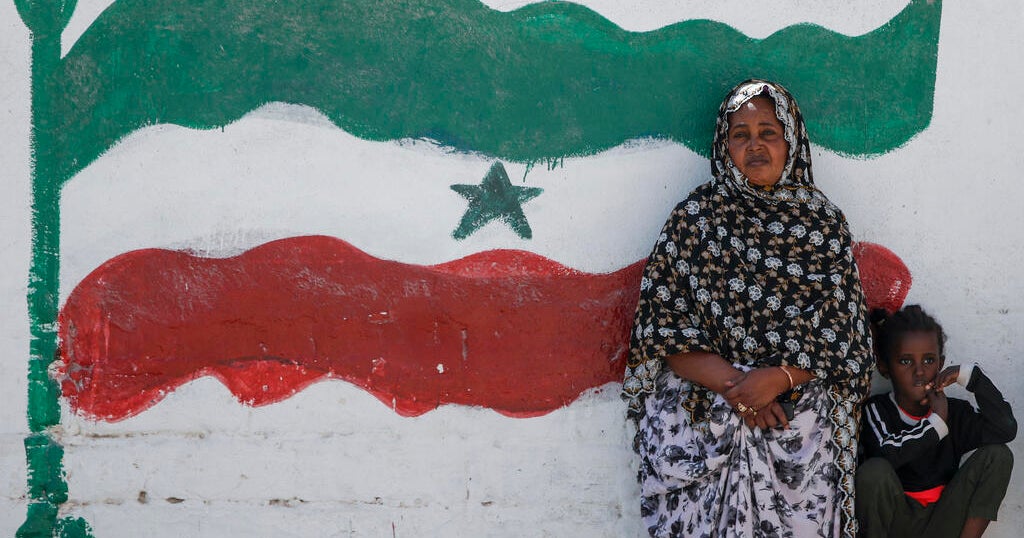
You might be wondering: why is Somaliland seeking recognition, and why is this causing such a stir? Somaliland declared independence from Somalia in 1991, following a civil war. Despite functioning as a de facto independent state for over three decades – holding elections, establishing its own institutions, and maintaining relative stability – it hasn’t gained widespread international recognition.
this lack of recognition hinders Somaliland’s access to international financing,trade agreements,and full participation in the global community. A partnership with Israel, and potential inclusion in the Abraham Accords, could be a game-changer for Somaliland, offering economic and political benefits.
What’s Next?
This situation is still unfolding, and several key questions remain.
* Will other nations follow Israel’s lead in recognizing Somaliland?
* How will somalia respond to this evolving dynamic?
* What impact will this have on regional stability and the broader geopolitical landscape?
One thing is certain: Israel’s move to engage with Somaliland has injected a new level of complexity into the already intricate political dynamics of the Horn of Africa and the Middle East.It’s a development worth watching closely as it could reshape alliances and redefine the future of the region.