
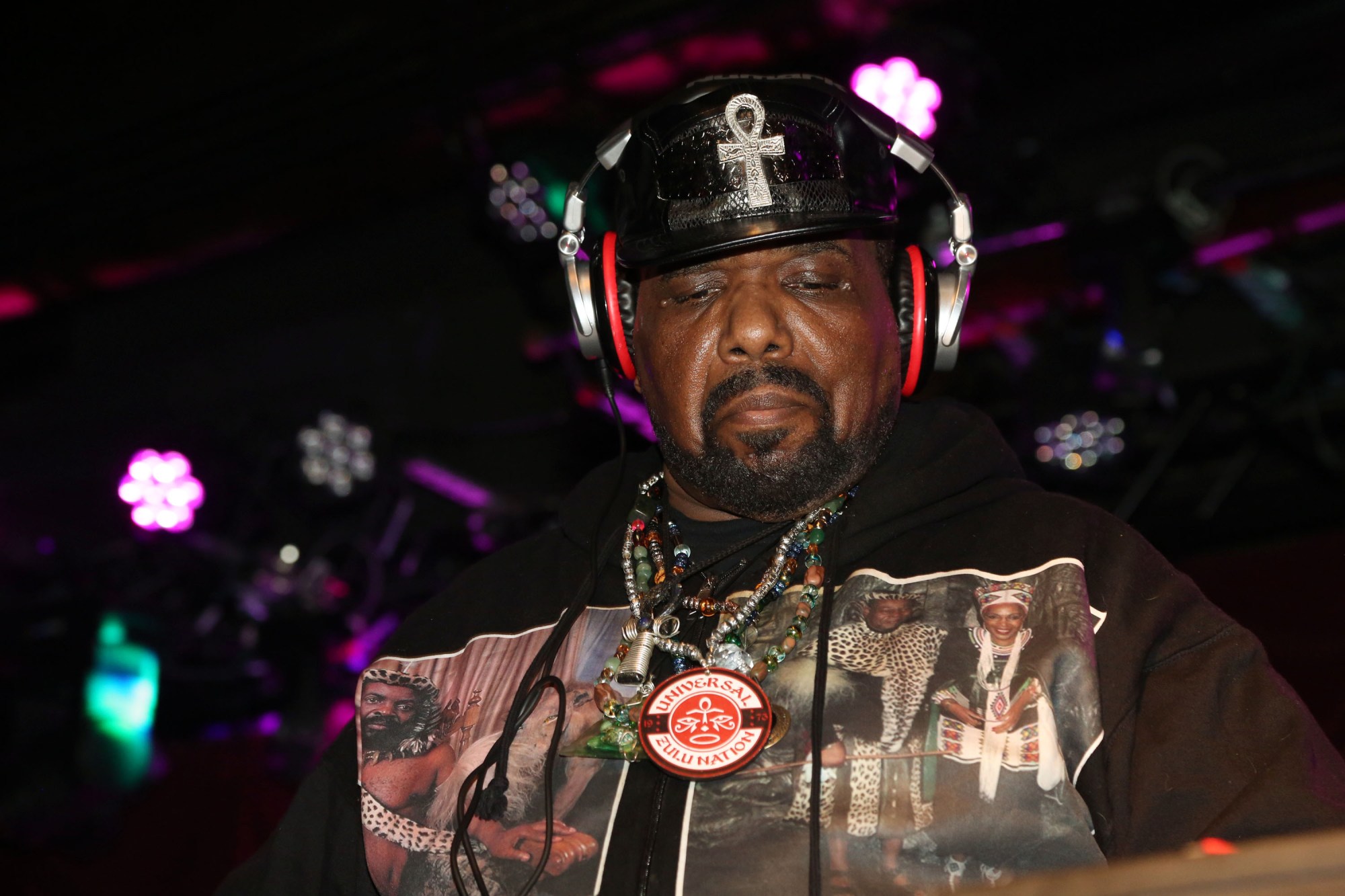
The global music community is mourning the loss of Afrika Bambaataa, a foundational figure in the birth of hip-hop and electronic music, who has reportedly died at age 68. The New York pioneer passed away early Thursday, April 9, 2026, at a hospital in Pennsylvania due to complications from cancer according to reports from USA TODAY and TMZ.
Born Lance Taylor in 1957 to Jamaican and Barbadian parents, Bambaataa became a central architect of the Bronx music scene during the 1970s. His influence extended far beyond the turntable; he was instrumental in organizing the legendary block parties that fused DJs, MCs, and dancers, effectively shaping the culture of hip-hop in its infancy.
Bambaataa’s career was defined by a relentless spirit of innovation. He is most recognized for his 1982 hit “Planet Rock,” a track that bridged the gap between traditional rap and the emerging electro-oriented genre. His ability to blend funk, electronic sounds, and street culture helped propel hip-hop from a local New York phenomenon to a global movement.
Though, the legacy of the man known as the “Godfather of Hip Hop” is deeply complex. Whereas his musical contributions are undisputed, his later years were overshadowed by serious allegations of child sexual abuse and trafficking, creating a stark contrast between his cultural achievements and his personal conduct.
Musical Innovation and the Rise of Electro-Rap
Afrika Bambaataa’s recording career began in earnest in the early 1980s. After establishing himself in the block party scene of the mid-to-late 1970s, he signed with Tommy Boy Records. His first single, “Jazzy Sensation,” was released in 1981, followed by “Planet Money” a year later as detailed by USA TODAY.

The release of “Planet Rock” in 1982 served as a watershed moment for the genre. By incorporating electronic elements, Bambaataa helped define the early days of the hip-hop movement and the electro genre. His collaborative spirit led him to work with a diverse array of innovative artists, including James Brown, John Lyndon, and George Clinton.
In 1984, Bambaataa collaborated with Brown and Lyndon on the track “Unity” and released his album debut, “Shango Funk Theology.” He later moved to Capitol Records in 1986, where he produced the 1988 project “The Light,” featuring collaborations with UB40, Boy George, Bootsy Collins, and George Clinton per USA TODAY reports.
Expanding Beyond the Booth
In the 21st century, Bambaataa diversified his professional pursuits. He transitioned into voice acting for the animated series “Kung Faux,” a show that blended hip-hop with kung fu and ran for three seasons. His commitment to the academic study of his craft was also evident in 2012, when he served a three-year term as a visiting scholar at Cornell University, where he shared his expertise on hip-hop culture with Ivy League students according to USA TODAY.
The Universal Zulu Nation and Community Impact
Beyond the music, Bambaataa co-founded the Universal Zulu Nation, a collective dedicated to promoting hip-hop culture through the lenses of community awareness and social engagement. The organization aimed to provide a positive alternative to gang violence, utilizing the “four elements” of hip-hop to foster peace and unity among urban youth.
For decades, the Zulu Nation served as a primary vehicle for the spread of hip-hop’s social philosophy. However, the organization’s stability was shaken in May 2016, when Bambaataa stepped down as its head following the emergence of multiple child sexual abuse allegations dating back to the 1970s as reported by The Independent.
Legal Controversies and Allegations
The latter chapter of Bambaataa’s life was marked by significant legal and ethical turmoil. Starting in 2016, hip-hop artist and activist Ronald “Bee-Stinger” Savage alleged he had been molested by Bambaataa at age 15. Following this initial claim, at least 12 other men came forward with similar allegations of abuse according to The Independent.
Bambaataa consistently denied these accusations. In a statement issued in 2016, he asserted, “I never abused nobody. You know, it just sounds crazy for people to say that, to hear: ‘You abused me.’ You know all my people back then, you know the hundreds of people that been around me. If something like that happened, why you never went to none of them?” per The Independent.
Despite the volume of claims, no criminal charges were ever brought against him. However, civil litigation proved more costly. In 2021, an anonymous man filed a lawsuit alleging that Bambaataa sexually abused and trafficked him for four years during the early 1990s according to The Independent. Bambaataa lost this civil case after failing to appear in court and was subsequently forced to pay a settlement to the plaintiff.
Summary of Bambaataa’s Legacy
| Period/Year | Event/Achievement | Impact/Outcome |
|---|---|---|
| Mid-Late 1970s | Bronx Block Parties | Helped shape early hip-hop culture |
| 1982 | Release of “Planet Rock” | Defined the electro-rap genre |
| 2012-2015 | Cornell University Scholar | Academic integration of hip-hop culture |
| May 2016 | Resignation from Zulu Nation | Stepped down amid abuse allegations |
| 2021 | Civil Lawsuit | Lost case and paid settlement for trafficking/abuse |
Afrika Bambaataa’s passing marks the end of a life defined by profound contradictions. He was a visionary who helped launch a global cultural revolution, yet his legacy remains marred by the testimonies of those who accused him of predation. As the music world reflects on his contributions to the sonic landscape, the conversation remains inextricably linked to the gravity of the allegations that followed him until his death.
At this time, You’ll see no further scheduled legal proceedings or official public hearings regarding his estate or the previous civil settlements. We invite our readers to share their thoughts on Bambaataa’s cultural impact in the comments below.