
Navigating the Tensions: DAP–Umno Relations and the Future of Malaysia’s Unity Government
The stability of Malaysia’s current unity government is facing scrutiny, with rising tensions between key coalition partners, especially Umno and DAP. Recent statements from Umno leaders highlight a growing concern that insensitive remarks from certain DAP figures are actively straining relations and fueling discontent within Umno’s ranks.This article delves into the core of this issue, explores potential pathways forward, and examines the implications for the broader political landscape.
The Core of the Conflict: DAP’s Impact on Umno Sentiment
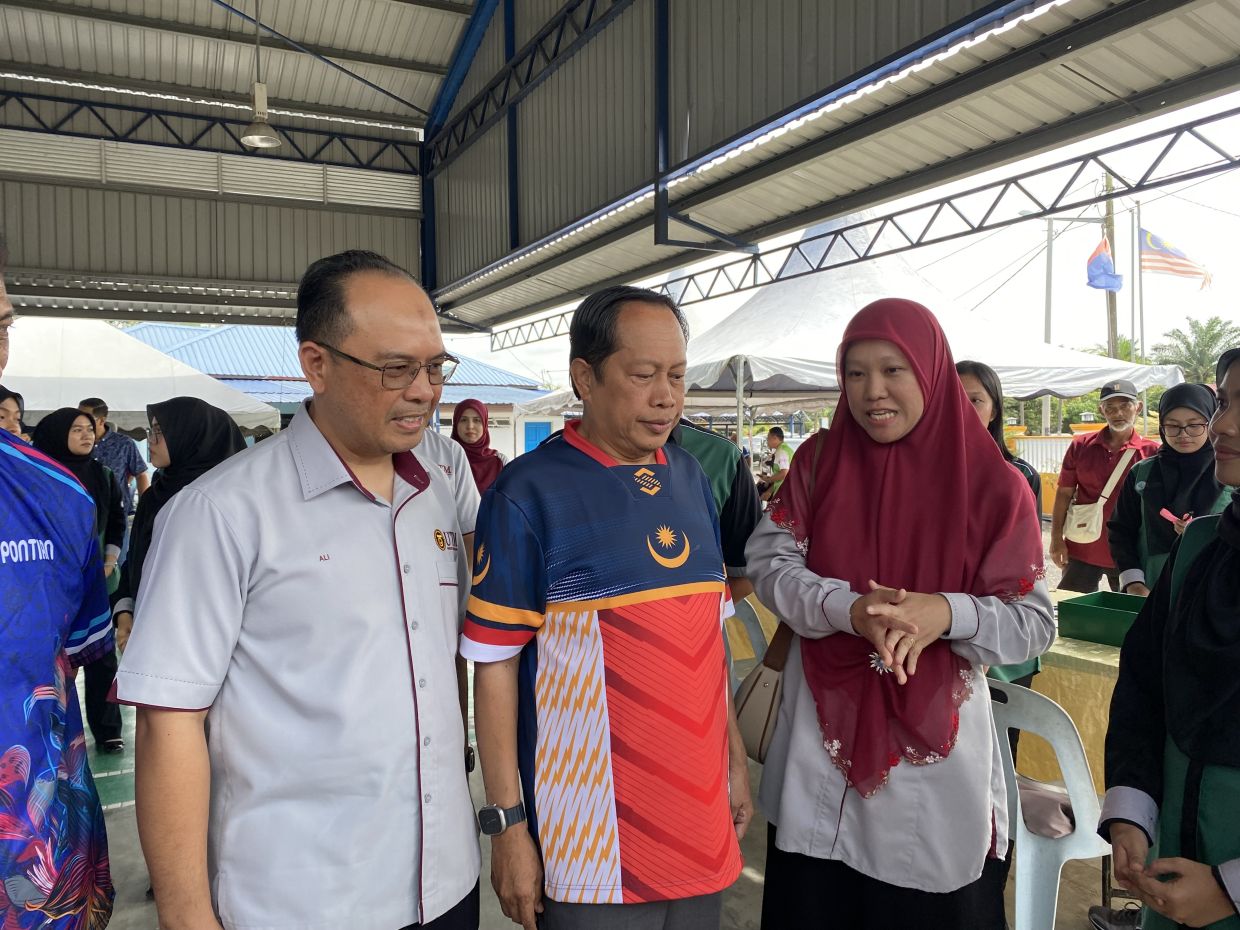
Datuk Seri Dr. Ahmad Maslan, a prominent member of umno’s supreme council, recently voiced a critical assessment of the situation. He pinpointed DAP as a significant factor contributing to friction within the unity government.
The core issue isn’t necessarily policy disagreements, but rather the perception of disrespect or insensitivity towards Umno members. These perceived offenses,stemming from statements or actions by DAP leaders,are triggering reactions and fostering unease amongst Umno’s base. This dynamic poses a direct threat to the cohesiveness of the coalition.
A recent study by the ISEAS – Yusof Ishak Institute (December 2023) indicated that while a majority of Malaysians support the current unity government, trust levels between Umno and DAP voters remain significantly lower compared to other coalition pairings. https://www.iseas.edu.sg/articles/malaysia-political-landscape-2023-a-year-of-consolidation-and-challenges/
Calls for Sensitivity and Internal Deliberation
Ahmad Maslan urged DAP leaders at all levels to exercise greater mindfulness regarding Umno members’ sentiments. he emphasized that continued insensitive remarks risk further damaging the already fragile relationship between the two parties.
Concurrently, he stressed the importance of adhering to established internal processes when considering significant shifts in Umno’s political strategy. Any discussion regarding potential cooperation with PAS, for example, must be thoroughly debated within the Umno supreme council and ultimately presented to the party’s delegates at the upcoming general assembly.
This highlights a crucial point: major decisions regarding Umno’s future direction cannot be made unilaterally. They require broad internal consensus and democratic deliberation.
The Proposal for a Broader Alliance: Umno, Bersatu, and PAS
The call for greater sensitivity comes amidst proposals for a realignment of political forces.tasek Gelugor MP Datuk Wan Saiful Wan Jan recently suggested that genuine national unity could be achieved by bringing Umno, Bersatu, and PAS into a single alliance.
Wan Saiful argued that many Umno supporters harbor reservations about being part of a government led by Pakatan Harapan. He framed umno Youth’s planned special convention as a bold step towards exploring choice political alignments.
This proposal reflects a growing undercurrent of dissatisfaction within certain segments of Umno, potentially fueled by the perceived imbalance in the current coalition dynamic. However, it also presents significant challenges, given the historical rivalries and ideological differences between these parties.
What’s Next? Umno’s Internal Discussions and the General Assembly
The coming weeks will be critical. Umno’s supreme council meeting and the subsequent general assembly will serve as pivotal forums for internal debate and decision-making.
Key questions to be addressed include:
* The future of the coalition: Will Umno remain committed to the current unity government, or will it explore alternative alliances?
* Addressing DAP’s impact: What steps can be taken to mitigate the negative perceptions and foster greater trust between Umno and DAP?
* Potential cooperation with PAS: Is a realignment with PAS a viable option, and what conditions would need to be met?
the outcome of these deliberations will significantly shape the trajectory of Malaysian politics and the stability of the current government.
Evergreen Insights: Coalition Dynamics in Malaysia
Malaysia’s political landscape has historically been characterized by fluid coalitions and shifting alliances. The country’s multi-ethnic and multi-religious composition necessitates broad-based coalitions to achieve political stability. However, these coalitions are often fragile, susceptible to internal tensions, and prone to realignment.
Several factors contribute to these dynamics:
* Ethnic and Religious Politics: Malaysia’s political parties often represent specific ethnic or religious groups, leading to inherent tensions and competing interests.
*
![$250K Drug Scandal: Corporate Greed & Medical Complicity – [Podcast]](https://i0.wp.com/kevinmd.com/wp-content/uploads/The-Podcast-by-KevinMD-WideScreen-3000-px-4-scaled.jpg?resize=150%2C150&ssl=1 "$250K Drug Scandal: Corporate Greed & Medical Complicity – [Podcast]")


