Actors Push Back Against AI-driven Digital Replicas: A Fight for the Future of Performance
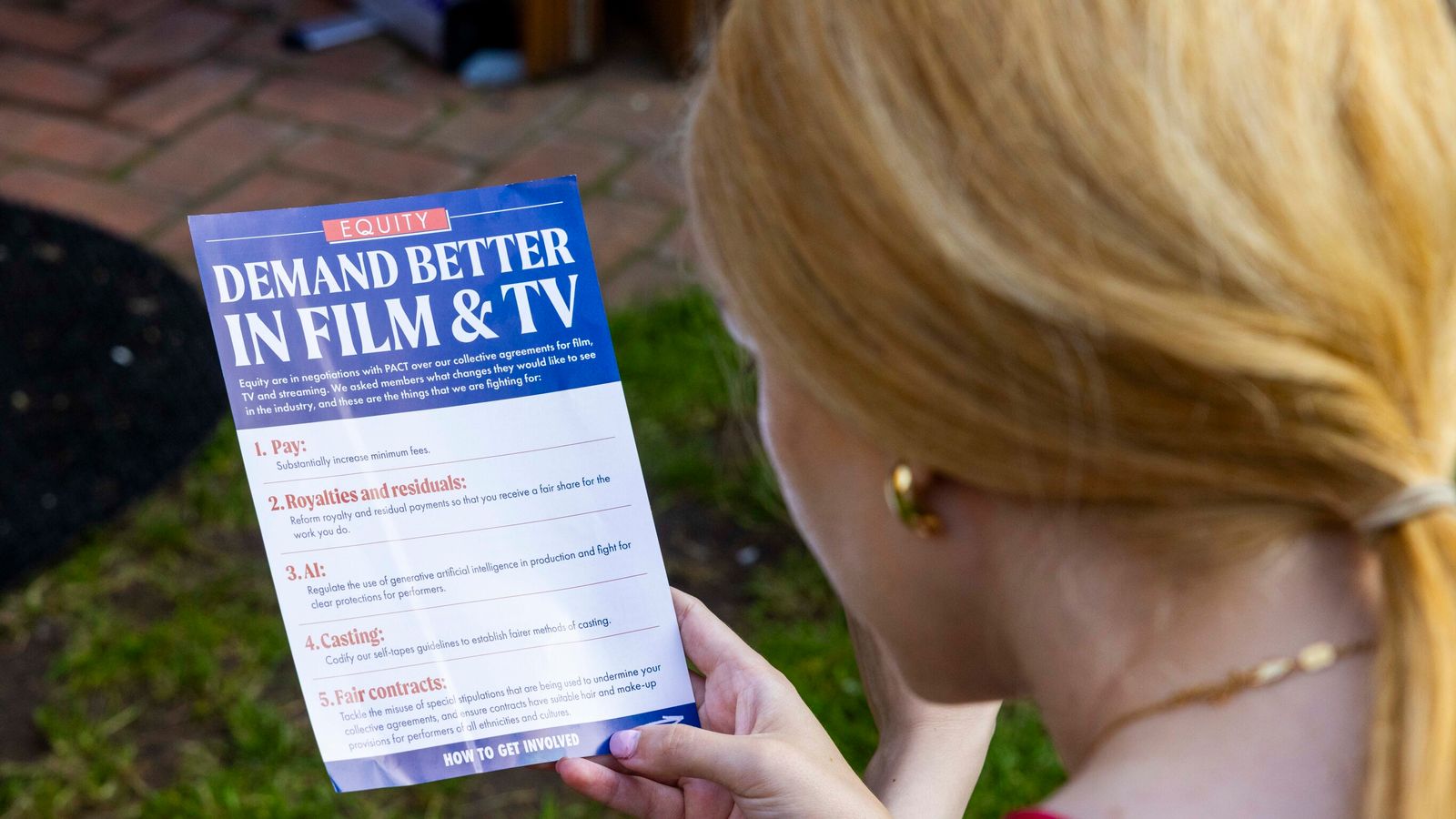
The rise of artificial intelligence is sparking debate across numerous industries, and the world of acting is no exception. Recently, Equity, the UK’s performing arts and entertainment union, voted in favor of new guidelines addressing the use of actors’ digital replicas – essentially, 3D scans used to recreate performances without their direct involvement. This pivotal decision highlights growing concerns about job security, artistic control, and the very definition of creative work in the age of AI.
The Scanning Process & Emerging Concerns
You might be wondering exactly what this “scanning” entails. it’s a surprisingly complete process.Actors are often ushered into studios, sometimes even mobile pods set up on location, and surrounded by hundreds of cameras capturing images from every angle. within seconds, thousands of images are collected, creating a detailed 3D model of your likeness.
But what happens after the scan is the core of the debate. The question is, who controls that digital replica and how it’s used?
Why Actors Are Saying “No”
Laurence Olivier Award-winning actor Bertie Carvel, a vocal member of Equity, recently shared his viewpoint. He voted “yes” to the new guidelines, expressing a deep unease about the technology’s potential impact.
“I don’t want this technology in the world, if I’m honest,” Carvel stated.”It’s contributing almost inevitably to my own obsolescence. Why would I collude in that?”
He explained the uncomfortable reality many actors face: producers are increasingly requesting scans as a condition of employment. Without collective action, actors risk being pressured into contributing to a system that could ultimately replace them. This highlights a critical power imbalance.
The Pressure to Comply
The situation is often framed as a simple choice: scan, or lose the job.This pressure to comply is precisely why a union stance is so vital. It allows actors to stand together and negotiate for fair terms, protecting their livelihoods and artistic rights.
Here’s a breakdown of the key concerns:
* Job Displacement: Digital replicas could considerably reduce the demand for actors, particularly for background work or roles requiring minimal dialog.
* Loss of Control: Actors may have limited say in how their digital likeness is used, possibly appearing in projects they don’t support or in ways that misrepresent their brand.
* Compensation: Fair compensation for the creation and use of digital replicas remains a major point of contention.
* Artistic Integrity: The very essence of acting - the unique human element – is threatened by the prospect of AI-generated performances.
AI & Creativity: A Human Perspective
The debate extends beyond practical concerns to the philosophical question of creativity itself. Actor Riz Ahmed, currently starring in a modern adaptation of Hamlet, offered a compelling perspective.
“I don’t think you can be relaxed about something that’s gonna change our lives so dramatically,” Ahmed said. Though, he also believes AI falls short when it comes to genuine creativity.
He argues that AI can produce things, but it lacks the ”friction” and “struggle” that imbue art with meaning. A life – and a performance – without challenge, he suggests, is ultimately a meaningless one.
Looking Ahead: Protecting the Future of Performance
The vote by Equity represents a crucial step in navigating the complex landscape of AI and entertainment. It’s a clear message that actors are not willing to passively accept a future where their skills and artistry are rendered obsolete.
This is not simply a fight for jobs; it’s a fight for the soul of performance.It’s about preserving the human connection that makes storytelling so powerful and ensuring that actors retain control over their own image and creative contributions. as AI continues to evolve, expect this conversation to intensify, shaping the future of the industry for years to come.