
The Rise of AI Actors: A New Era for Hollywood or a Threat to Performers?
The entertainment industry is buzzing about Tilly Norwood, a strikingly realistic digital actress created by AI. Her emergence has sparked a heated debate: is this a revolutionary step forward, offering new creative possibilities and cost-saving solutions, or a concerning development that undermines the livelihoods of human performers?
Emily Blunt, known for her role in Mary Poppins Returns, has described Norwood as “really, really scary.” This sentiment reflects a growing anxiety within the acting community, echoed by the actors’ union SAG-AFTRA, which stated Norwood isn’t an actor at all, but a computer-generated character built upon the work of countless professionals without their consent or compensation.
Understanding the Technology & The Argument for AI
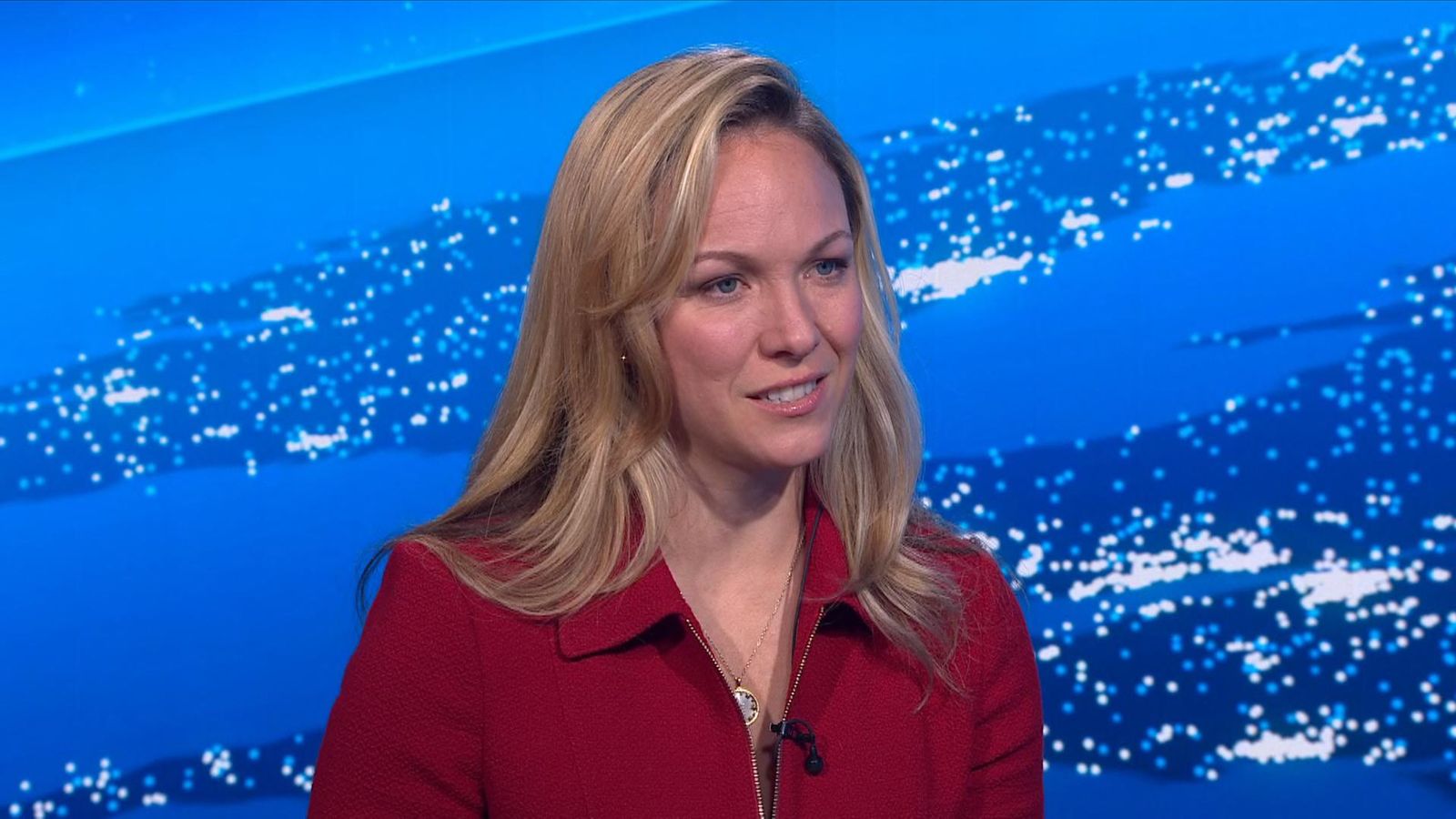
Eline Van der Velden, the creator of Tilly Norwood, argues that Hollywood must adapt to the inevitable integration of artificial intelligence. She believes resisting this change is futile and could ultimately lead to job losses. Instead, she champions learning to harness AI’s potential, positioning Britain as a potential creative powerhouse in this new landscape.
Van der Velden envisions AI as a tool to overcome budgetary hurdles that often stall productions. Consider these key points:
* Bridging Funding Gaps: Manny projects struggle to secure final funding, preventing them from moving forward.
* Cost-Effective Solutions: AI can replace expensive shots, making productions viable with limited resources.
* Increased Opportunities: By enabling more projects to get off the ground,AI could ultimately create more jobs for actors and crew.
she emphasizes her desire for the AI character to “have her own creative path,” suggesting a future where digital actors aren’t simply mimicking human performances,but developing unique personas.
The Concerns: Consent, Compensation, and the Future of Acting
However, the core of the controversy lies in the ethical implications. The creation of AI actors like Tilly Norwood raises critical questions about:
* Intellectual Property: How do you protect the rights of actors whose work is used to train these AI systems?
* Fair Compensation: Should actors be compensated when their likenesses or performances are replicated by AI?
* The Value of Human Performance: What happens to the artistry and emotional depth that human actors bring to their roles?
These are not merely theoretical concerns. A recent report highlighted that a third of daily music uploads are now AI-generated, and a staggering 97% of people can’t distinguish them from human-created music. This demonstrates AI’s increasing sophistication and its potential to disrupt creative industries.
tom Hollander, a seasoned actor, acknowledges the potential disruption but admits he isn’t “scared enough” yet. This nuanced perspective reflects the complex feelings many performers have about this emerging technology.
A Path Forward: Collaboration, Regulation, and Adaptation
The debate surrounding AI actors isn’t about whether AI will play a role in the future of entertainment – it already is. The real question is how we integrate this technology responsibly.
Here’s what needs to happen:
- Open Dialog: Industry stakeholders – actors, studios, unions, and AI developers – must engage in open and honest conversations.
- Clear Regulations: Establishing clear guidelines regarding consent, compensation, and intellectual property rights is crucial.
- Embrace Innovation: Exploring how AI can augment human creativity, rather than replace it, is key.
Van der Velden’s studio is already demonstrating one potential benefit: helping productions overcome financial obstacles.This suggests that AI, when used thoughtfully, can be a valuable tool for expanding opportunities within the industry. Ultimately,the future of acting may depend on finding a balance between embracing technological advancements and protecting the rights and livelihoods of the artists who bring stories to life.

![50% Off Sitewide: Huge Online Savings | [Your Brand Name]](https://i0.wp.com/variety.com/wp-content/uploads/2025/11/j-crew-black-friday-deal.png?resize=150%2C150&ssl=1 "50% Off Sitewide: Huge Online Savings | [Your Brand Name]")


