
The Rise of AI-Generated Political Ads: A Deep Dive into the Schumer Controversy
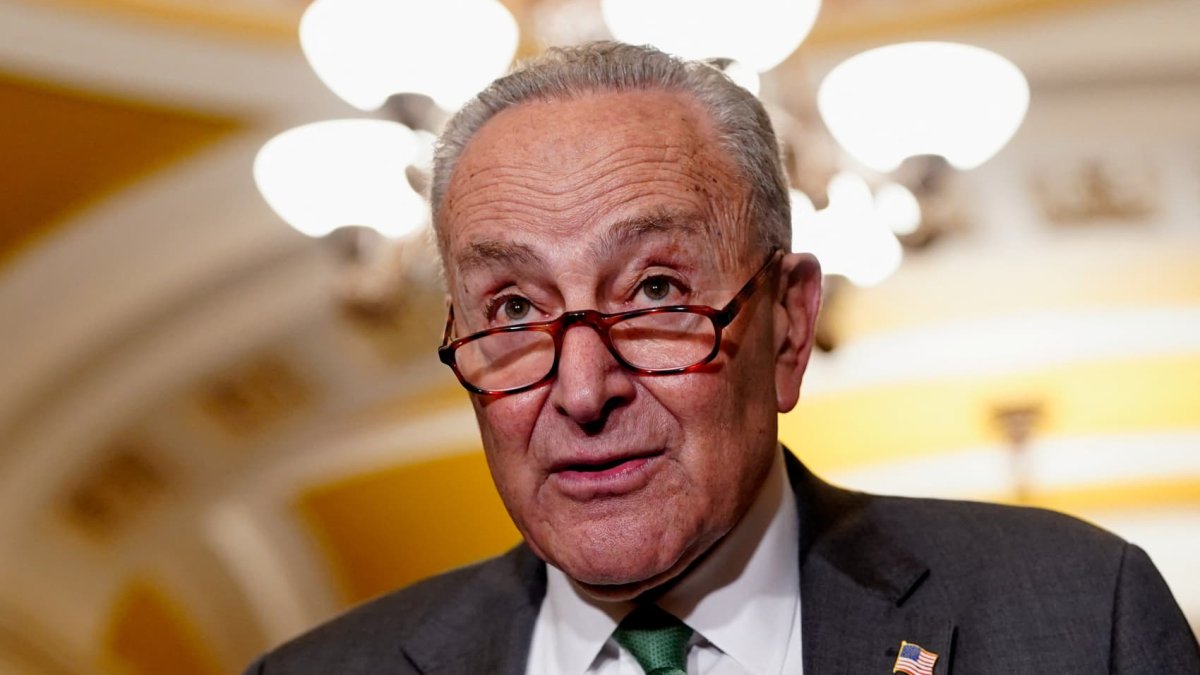
The 2024 election cycle is witnessing a groundbreaking – and perhaps unsettling - shift in political campaigning: the widespread use of artificial intelligence (AI) to create video advertisements.A recent example, spearheaded by the National Republican Senate Committee (NRSC), has ignited a debate about the ethics and legality of these new tactics. The NRSC deployed an AI-generated video falsely depicting Senate Democratic Leader Chuck Schumer appearing to celebrate the political benefits of the ongoing government shutdown. This incident isn’t just a single campaign’s foray into new territory; it signals a fundamental change in how political messages are crafted and disseminated. But what does this mean for voters, and where do we draw the line between innovative campaigning and outright misinformation?
The 30-second ad utilizes AI to make it appear as though Senator Schumer stated, “Every day gets better for us,” in direct relation to the shutdown, now entering its third week. These words were originally part of a print interview with Punchbowl News, where Schumer suggested a prolonged shutdown could politically benefit Democrats. While the NRSC acknowledges the use of AI with a disclaimer,the ad’s intent is clear: to portray Schumer as insensitive to the hardships faced by Americans affected by the government stoppage.
The ad strategically juxtaposes the AI-generated “Schumer quote” with footage of military service members utilizing food banks, amplifying the emotional impact and associating the Senator with the negative consequences of the shutdown. This tactic, while not inherently illegal, raises serious ethical concerns. The NRSC defends its approach, stating that it’s simply “visualizing” Schumer’s words and that AI is now a legitimate campaign tool. Spokesperson joanna Rodriguez emphasized,”AI-generated content is here… It’s going to be up to legal and ethical parameters.” however, critics argue that the ad deliberately misrepresents Schumer’s intent and exploits the shutdown’s impact for political gain.
The Legal and Ethical Gray Areas of AI in Political Advertising
The use of AI in political advertising is currently navigating a complex legal landscape. While the Federal Election Commission (FEC) is beginning to address the issue, clear regulations are still lacking.The primary concern revolves around deceptive practices. Is creating a video that appears to show someone saying something they didn’t constitute a form of false advertising?
According to a recent report by the Brennan Center for Justice (November 2023),89% of Americans are concerned about the potential for AI-generated misinformation to influence elections. This highlights a growing public distrust and the urgent need for transparency and accountability. The report also notes that deepfakes – highly realistic but fabricated videos – are becoming increasingly complex and difficult to detect.
Moreover, the use of AI raises questions about authenticity and the erosion of trust in political discourse. If voters can’t reliably distinguish between genuine statements and AI-generated fabrications, the very foundation of democratic debate is threatened. The NRSC’s ad, while disclosing its use of AI, still relies on creating a misleading impression. The final shot of Schumer with a “wide grin” is a clear example of artistic license designed to reinforce a negative narrative.
Secondary Keywords: deepfakes, political misinformation, election interference, AI ethics, digital campaigning.
What’s Next? Navigating the Future of AI-Powered Politics
The Schumer ad is likely just the beginning. As AI technology becomes more accessible and affordable, we can expect to see a proliferation of AI-generated political content. This includes not only videos but also audio recordings, social media posts, and even personalized advertisements tailored to individual voters.
Here’s what you can do to stay informed and protect yourself from misinformation:
1





