Can You Spot the Fake? The Growing Challenge of AI-Generated faces
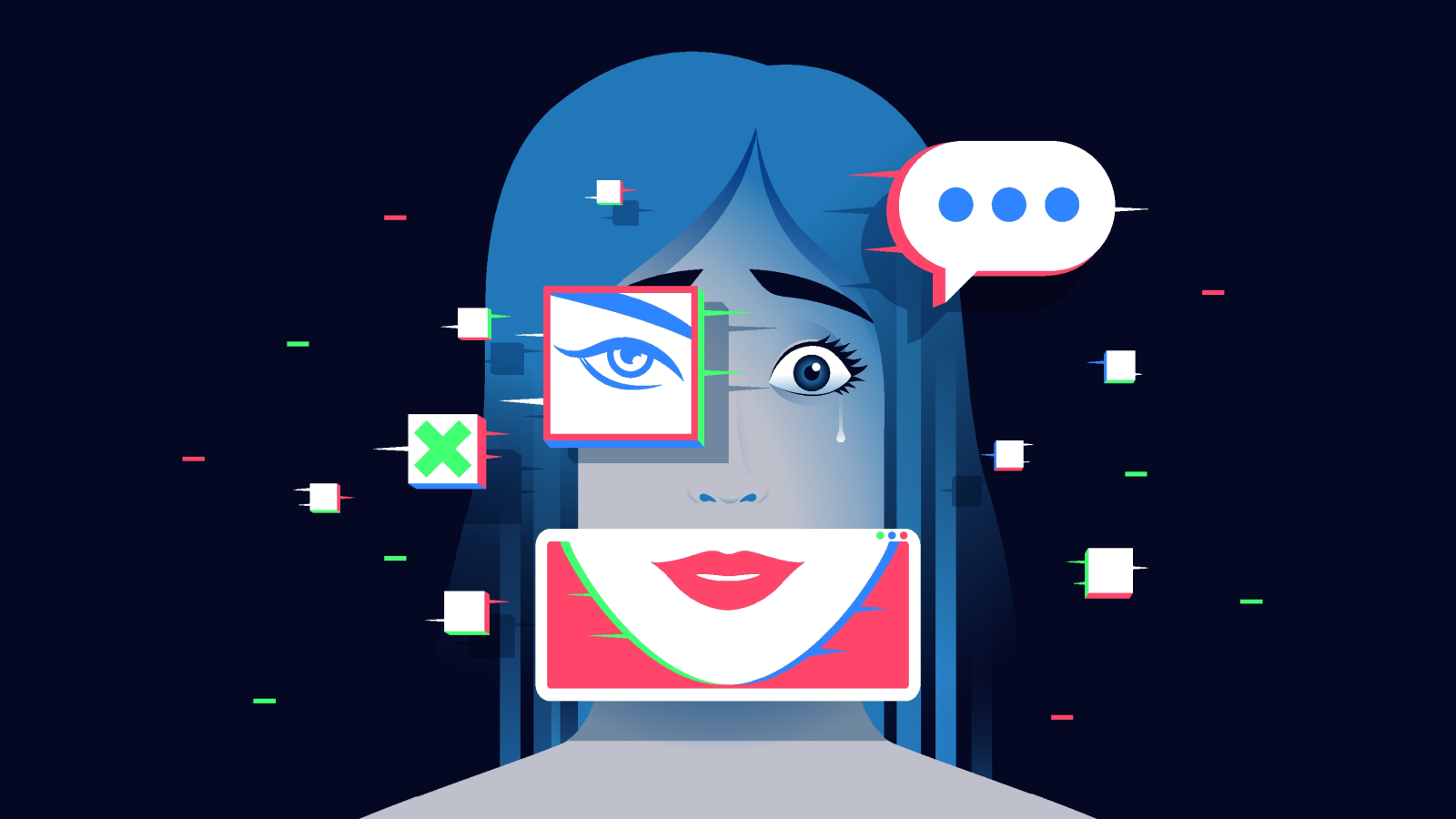
Artificial intelligence is rapidly evolving, and one of its most impressive – and perhaps unsettling - feats is its ability to create incredibly realistic human faces. These aren’t just simple digital images; they’re sophisticated creations generated by algorithms,and they’re becoming increasingly difficult to distinguish from photographs of real people.
But how good are people at telling the difference? And, more importantly, how confident are you in your own ability to identify an AI-generated face? This is a question gaining urgency as these synthetic faces proliferate online.
Why This Matters: The Rise of Synthetic Media
The ability to generate realistic faces has a wide range of applications, both positive and negative. Consider these possibilities:
* Enhanced Privacy: AI faces can be used to protect the identity of individuals in sensitive situations.
* Creative Content: They offer new avenues for artists, designers, and filmmakers.
* Virtual Characters: Realistic faces are crucial for creating immersive experiences in gaming and virtual reality.
However, the potential for misuse is important.Synthetic faces can fuel:
* Disinformation campaigns: Creating fake profiles on social media to spread false narratives.
* Fraud and Identity Theft: Using AI faces to bypass security measures or impersonate individuals.
* Erosion of trust: Making it harder to believe what you see online.
The Difficulty is Increasing
Early AI-generated faces were often flawed, exhibiting telltale signs like asymmetrical features or strange artifacts. However, advancements in generative adversarial networks (GANs) and other AI techniques have dramatically improved the quality. Today’s AI can produce faces that are virtually indistinguishable from real ones, even to trained eyes.
This isn’t just a theoretical concern. Recent studies and challenges have demonstrated that even experts struggle to consistently identify AI-generated faces. The lines are blurring, and the task is becoming exponentially harder.
How Confident Are You? A Realistic Assessment
Let’s be honest wiht ourselves. It’s easy to think you’d be able to spot a fake,but the reality is far more complex. Several factors influence your ability to detect these images:
* Image Quality: Higher resolution images are harder to analyze.
* Subtlety of the Flaws: Modern AI generates increasingly subtle imperfections.
* Your Own Bias: We tend to see what we expect to see, which can lead to misidentification.
* Lack of Training: Without exposure to examples of AI-generated faces, it’s difficult to develop a keen eye.
Many people overestimate their ability to detect these fakes. A healthy dose of skepticism and a willingness to question what you see are essential.
What to Look For: Clues and red Flags
While it’s becoming harder, there are still some clues that might indicate an image is AI-generated. Keep these in mind:
* Unnatural smoothness: real skin has imperfections.AI faces can sometiems appear overly smooth or flawless.
* Asymmetrical Features: Subtle asymmetries are common in human faces. AI faces may exhibit perfect symmetry, which can be a giveaway.
* Strange Artifacts: Look for unusual patterns, distortions, or blurring, especially around the eyes, teeth, or hair.
* inconsistent Lighting: Check if the lighting is consistent throughout the image.
* Lack of Detail: Pay attention to fine details like eyelashes, pores, and wrinkles. AI faces may lack these subtle features.
* Background Inconsistencies: Sometimes, the background of an AI-generated image may appear blurry or unnatural.
However, remember that these are just potential indicators, not definitive proof. Sophisticated AI can overcome these limitations.
Staying Ahead of the Curve
The technology is evolving rapidly, so staying informed is crucial. Here are some steps you



![Wearable Tech & Frailty: Early Detection for Seniors | [Year]](https://i0.wp.com/www.futurity.org/wp/wp-content/uploads/2025/12/frailty-wearable-tech-elderly-care-1600.jpg?resize=330%2C220&ssl=1 "Wearable Tech & Frailty: Early Detection for Seniors | [Year]")