The Streaming Shift: How Rappers Lost Ground to Internet Personalities
For years,the rap industry chased streaming numbers as the ultimate metric of success. but a notable power shift is underway. Today, many believe rappers are now competing for attention with internet streamers, not just alongside them. This isn’t a simple change in the landscape; it’s a fundamental re-evaluation of how artists connect with fans and build influence.
So, what sparked this change, and what does it mean for the future of hip-hop? Let’s dive in.
The Rise of the Streamer Economy
The explosive growth of platforms like Twitch,YouTube live,and Kick has created a new breed of celebrity.streamers like Kai Cenat, Adin Ross, and N3on are amassing massive audiences – frequently enough rivaling, and sometimes exceeding, those of established musical artists.
Recent data from Statista shows live streaming revenue reached $1.24 billion in 2023 and is projected to hit $1.78 billion by 2027. This demonstrates the sheer economic force behind the streamer boom. https://www.statista.com/statistics/1363884/live-streaming-revenue-worldwide/
these personalities aren’t just playing video games. They’re building communities, hosting interactive events, and, crucially, collaborating with musicians.
The Rapper-Streamer Collaboration: A Faustian Bargain?
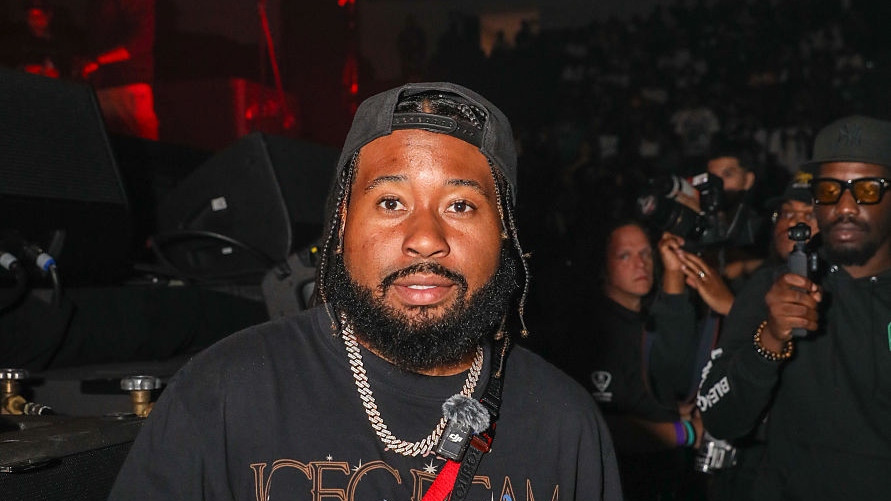
according to industry analyst Akademiks, rappers made a critical error in the past two years by prioritizing streamer collaborations to boost their numbers. While these partnerships initially provided a surge in clout, the long-term effect has arguably benefited the streamers far more than the artists themselves.
Think about it: Tory Lanez’s 2021 appearance on Adin Ross’ livestream,just two years before his sentencing,is a prime exmaple. The stream generated significant attention, but ultimately, the benefit accrued more to ross’s platform than to Lanez’s career.
Here’s how this dynamic unfolded:
* Initial Boost: rappers gained exposure to new audiences through streamer platforms.
* Audience Transfer: Fans began discovering streamers through these collaborations.
* Shifting Loyalty: Audiences started prioritizing the streamer’s personality and consistent content over the often-inconsistent release schedules of music artists.
As Akademiks points out, hip-hop artists essentially “handed their audience over” to these emerging digital personalities.
personality Over Production: A Changing Fan Preference
We’re witnessing a cultural shift. Today’s audiences are increasingly drawn to authenticity and consistent engagement. Streamers excel at providing both. They offer a direct line of dialog, fostering a sense of community that traditional artist-fan relationships often lack.
This isn’t to say music is irrelevant. Though, the “coolness factor” and even hit songs are becoming secondary to the compelling personality of the content creator. You’re seeing fans make a deliberate choice: invest their time in a streamer’s daily life or wait for an artist’s sporadic album release.
A recent study by The Influencer Marketing Hub found that 61% of consumers trust influencer recommendations over traditional advertising. https://influencermarketinghub.com/influencer-marketing-statistics/ This highlights the power of personality-driven content in today’s digital world.
What Does This Mean for Rappers?
The situation isn’t hopeless for artists. But adapting is crucial. Here’s what rappers can do to reclaim their audience:
* Embrace Consistent Content: Don’t rely solely on album releases. Regularly engage with fans through social media, behind-the-scenes content, and even short-form video platforms like TikTok.
* Build Direct Relationships: Utilize platforms like Patreon or Discord to create exclusive communities and foster deeper connections with your fanbase.
* Strategic Collaborations: If you collaborate with streamers,ensure it’s a mutually beneficial partnership that genuinely adds value for your audience.
* Focus on Authenticity: be yourself. Fans